

Advanced Technologies and Best Practices in LED Display Manufacturing
The LED display industry has experienced rapid advancements over recent years, driven by expanding applications in advertising, entertainment, sports, and digital signage. As an experienced LED display engineer with extensive expertise in LED LCD screen manufacturing, this article explores the cutting-edge technologies, manufacturing best practices, and essential technical parameters critical to producing high-quality LED displays that meet international standards and user demands.
Understanding LED Display Technologies
LED displays primarily utilize Light Emitting Diodes as individual pixels or subpixels. Modern LED displays are categorized as direct-view LED and LED-backlit LCDs:
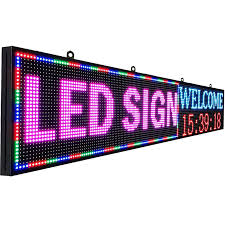
- Direct-View LED Displays: These consist of arrays of LEDs arranged in modules to form large-scale video walls or discrete display units. Advantages include high brightness (up to 5000 nits), wide viewing angles (typically 140°+), and excellent contrast ratios.
- LED-LCD Displays: These use LED backlighting to illuminate LCD panels, providing better color accuracy with parameters such as a typical 1000:1 contrast ratio and color gamut coverage of approximately 72% NTSC.
Understanding these technologies allows manufacturers to specify components according to application requirements such as indoor/outdoor usage, pixel pitch, and ambient environmental conditions.
Key Technical Parameters in LED Display Manufacturing
1. Pixel Pitch (mm):
Pixel pitch directly affects resolution and viewing distance. Indoor displays often use smaller pixel pitches (1.2mm to 3.9mm) for high resolution, while outdoor displays favor larger pitches (6mm to 20mm) for visibility over greater distances.
2. Brightness and Contrast:
Brightness levels for indoor displays range from 800 to 1500 nits, while outdoor displays must reach 4000 to 6000 nits to combat sunlight glare. High contrast ratios are essential for visual clarity, especially in variable lighting conditions.
3. Refresh Rate and Frame Rate:
A minimum refresh rate of 3840Hz is recommended for flicker-free viewing, especially critical in live broadcasts and high-speed video.
4. Power Consumption:
Efficient power management is crucial from both cost and environmental perspectives. Typical power consumption ranges from 350-800 W/m², with recent innovations focusing on lower power LEDs and smart brightness control to reduce energy use.
5. Durability and Waterproofing:
Outdoor LED displays must comply with IP65 or higher rating standards to withstand weather, dust, and moisture. Robust enclosure design and conformal PCB coatings extend lifespan and reduce maintenance.
Manufacturing Best Practices
- Material Sourcing:
Use high-quality semiconductor LEDs from reputable suppliers such as Nichia or Cree to guarantee longevity, color consistency, and luminosity. Consistent sourcing minimizes color differences across modules.
- SMD Assembly and Testing:
Surface Mount Device (SMD) LEDs require precision placement using automated pick-and-place machines. Quality control includes multiple testing stages: Optical measurement for brightness uniformity, electrical testing for current stability, and environmental stress tests.
- Module Design and Cabinet Construction:
Modular designs facilitate easy maintenance and scalability. Using lightweight aluminum alloy cabinets improves heat dissipation while maintaining structural integrity.
- Calibration and Color Correction:
Post-assembly calibration using colorimeters and automated software ensures uniform luminance and color accuracy across the display surface. This step is vital for delivering vivid and consistent user experiences.
- Compliance with Industry Standards:
Adhering to IEC 62087 (methods of measurement for TV receiver power consumption), RoHS directives for hazardous substances, and UL certifications ensures product safety, environmental friendliness, and international market acceptance.
Case Studies and Industry Insights
A prime example is the Times Square redevelopment project, where a large-scale direct-view LED video wall with a pixel pitch of 10mm and brightness rating of 5500 nits was implemented. The project showcased smart heat dissipation mechanisms and achieved an operating lifespan exceeding 100,000 hours with minimal maintenance.
Similarly, advances in micro-LED technology promise even greater resolution and efficiency. Ongoing research focuses on integrating micro-LEDs into OLED and LCD substrates, potentially eclipsing current LED display performance benchmarks.
Environmental and Sustainability Considerations
Sustainable manufacturing practices are gaining priority, including recycling of LED components, minimizing hazardous chemicals use, and developing energy-efficient driving circuits. Compliance with global environmental standards like WEEE and RoHS is not only regulatory but reflects corporate responsibility.
Conclusion
Manufacturing high-quality LED displays necessitates a deep understanding of LED technologies, precise control of manufacturing processes, strict adherence to technical standards, and proactive application of new innovations. By focusing on these aspects, manufacturers can consistently deliver bright, reliable, and energy-efficient LED display solutions suited for diverse global applications.
References:
- International Electrotechnical Commission (IEC) standards
- RoHS Compliance Documentation
- Industry reports from LEDinside and DisplaySearch
- Case studies from Times Square LED Installations
- Technical data sheets from Nichia and Cree LED manufacturers













