

Advances and Best Practices in LED Display Manufacturing: Ensuring High Performance and Reliability
The LED display manufacturing industry has witnessed significant advancements over the past decade, driven by increased demands for higher resolution, enhanced brightness, energy efficiency, and extended operational lifespan. As a professional LED display engineer with extensive experience in screen design, production, and quality assurance, this article explores critical technical parameters, manufacturing best practices, and industry standards that ensure the delivery of high-performance and reliable LED displays.
Technical Parameters Defining LED Display Quality
Several technical parameters fundamentally impact LED display performance:
1. Pixel Pitch:
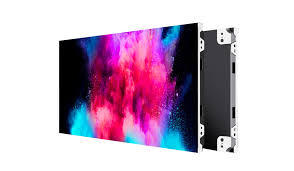
Pixel pitch, the distance between the centers of two adjacent pixels, is a primary determinant of resolution and viewing distance. Typical pixel pitches range from 0.9mm for fine-pitch indoor displays to over 20mm for large-scale outdoor screens. According to IEC 62087, a smaller pitch provides clearer images, particularly for close viewing, but increases manufacturing complexity and costs.
2. Brightness and Contrast Ratio:
Brightness levels for outdoor LED displays typically exceed 5,000 nits to ensure visibility under direct sunlight, whereas indoor displays operate effectively around 800–1,200 nits. High contrast ratios, often above 3,000:1, contribute to richer color reproduction and enhanced image depth. Calibrating brightness uniformity across the panel is critical to avoid dark spots or uneven illumination.
3. Color Accuracy and Calibration:
Industry standards such as Rec. 709 guide color gamut and accuracy. The manufacturing process incorporates precision binning of LEDs to select consistent chromaticity values, and calibration using advanced colorimeters ensures color fidelity over the display’s lifespan.
4. Refresh Rate and Frame Frequency:
A refresh rate of at least 1,920 Hz is standard for high-quality LED displays, minimizing flicker visible to the human eye and enabling smooth motion rendering, especially vital for video playback and dynamic content.
5. Power Consumption and Thermal Management:
Energy efficiency is addressed through LED driver optimization and power supply design adhering to IEC 62368-1 safety standards. Effective heat dissipation mechanisms, including aluminum backplanes and innovative cooling designs, prevent performance degradation and prolong device lifetime.
Manufacturing Best Practices for LED Displays
The precision manufacturing of LED displays involves rigorous process controls:
- Surface Mount Technology (SMT) Precision:
Automated SMT assembly places LEDs with micron-level accuracy to maintain uniform pixel spacing, ensuring consistent image quality. Solder paste inspection and reflow profiling optimize joint reliability.
- Module-Level Testing:
Each module undergoes electrical testing to verify LED functionality, including forward voltage testing and failure screening. Additionally, optical measurements of brightness and color are performed to maintain uniformity.
- Integrated Quality Management Systems:
Implementation of ISO 9001 quality management standards ensures traceability, controlled process flow, and continuous improvement cycles. Environmental testing per IEC 60068 standards assesses resistance to humidity, temperature fluctuations, and vibration, critical for outdoor installations.
- Software Calibration Tools:
Sophisticated software platforms enable real-time correction of brightness and color inconsistencies by adjusting PWM (pulse width modulation) parameters, sensor feedback, and gamma correction curves.
Reliability and Longevity Considerations
LED displays are commonly installed in demanding environments requiring sustained performance over 50,000 operational hours or more. Key reliability factors include:
- Component Quality:
Utilizing LEDs and electronic components from established semiconductor suppliers with certifications like RoHS ensures durability and environmental compliance.
- Anti-Ingress Protection (IP) Ratings:
Outdoor displays typically meet IP65 or higher, protecting against dust ingress and water jets, verified through standardized testing procedures.
- Redundancy Architectures:
Critical applications incorporate redundant power supplies and signal circuits to prevent single points of failure.
Industry Trends and Future Directions
Emerging technologies in LED display manufacturing focus on micro-LED integration, flexible substrates, and enhanced energy efficiency through smart driving circuits. Collaborations with standard bodies such as the Digital Signage Federation (DSF) propel standards development and best practice dissemination.
In conclusion, the manufacture of high-quality LED displays demands meticulous attention to technical performance metrics, manufacturing precision, and rigorous quality assurance protocols. Adherence to international standards combined with innovative engineering solutions fosters the production of reliable, visually compelling LED display installations suited for diverse industries, including advertising, transportation, and sports venues.
References:
- IEC 62087: Methods of measurement for the power consumption of audio, video and related equipment
- IEC 62368-1: Audio/video, information and communication technology equipment - Safety requirements
- ISO 9001: Quality management systems - Requirements
- IEC 60068: Environmental testing
- Digital Signage Federation Technical Whitepapers













