

Advanced Techniques and Standards in LED Display Manufacturing for Optimal Performance
The LED display industry has witnessed remarkable advancements over the past decade, driven by innovations in materials, manufacturing processes, and quality control methodologies. As a professional LED display engineer, this article aims to provide an authoritative and comprehensive overview of the technical parameters, manufacturing standards, and practical insights crucial for producing high-quality LED LCD screens. This knowledge is essential not only for engineers and manufacturers but also for integrators and end-users who demand superior performance and reliability.
Key Technical Parameters in LED Display Manufacturing
A high-performance LED display is characterized by several critical parameters:
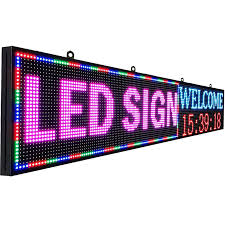
1. Pixel Pitch: Pixel pitch, the distance between the centers of two adjacent pixels, generally ranges from 0.7 mm for fine-pitch indoor LED displays to over 10 mm for outdoor billboards. Smaller pixel pitches deliver higher resolution and better visual quality but require more advanced assembly techniques and precise quality control. For example, fine-pitch LED displays often utilize SMD (Surface-Mounted Diode) technology, enabling seamless image rendering with pixel pitches as low as 0.7 mm (International Electrotechnical Commission [IEC] standards 62675).
2. Brightness and Contrast Ratio: LED modules are expected to deliver a wide brightness range, typically between 800 to 1500 nits for indoor displays and up to 6000 nits for outdoor applications to combat sunlight glare. Contrast ratio, a measure of the luminance difference between the brightest white and the darkest black, is equally critical. Advanced LED panels use dynamic contrast enhancement techniques, sometimes supported by LED local dimming, to achieve ratios exceeding 3000:1 (Society for Information Display, SID 2023).
3. Color Accuracy and Gamut: Modern LED display screens adhere to standardized color gamuts like Rec. 709 or DCI-P3, ensuring vivid and consistent color reproduction. High color accuracy is achieved via multi-primary LED chips and calibrated processing algorithms. Industry standards such as ITU-R BT.2020 also guide extended color gamut performance to facilitate ultra-high-definition content.
4. Refresh Rate and Response Time: To reduce flicker and motion artifacts, especially in broadcasting or sports venues, LED displays typically operate at refresh rates of 1920 Hz or higher. The response time ideally remains under 10 ms to ensure smooth transitions and prevent ghosting effects.
Manufacturing Processes and Quality Standards
Quality in LED display manufacturing hinges on both process control and adherence to standards:
- SMD Chip Placement: Precision pick-and-place machines capable of handling LEDs smaller than 1 mm are integral to modern production lines. Automated optical inspection (AOI) systems verify soldering quality and pixel alignment, mitigating defects.
- PCB and Module Assembly: Multilayer PCBs (Printed Circuit Boards) designed with high-frequency materials improve signal integrity and thermal management. Industry practice encourages use of flat copper layers and thick copper plating to handle power densities typical in high-brightness displays.
- Thermal Management: Effective dissipation of heat generated by dense LED arrays is crucial to prolong lifespan and maintain uniform brightness. Advanced heat sinks, forced air-cooling, and thermally conductive composites are commonly used design solutions.
- Testing Standards: LED displays undergo rigorous testing trials including environmental stress testing (temperature, humidity, dust), electromagnetic compatibility (EMC), and reliability under continuous operation. Compliance with global standards such as IEC 60529 for ingress protection and ISO 9001 for quality management ensures durability and trustworthiness.
Case Studies of Successful LED Display Applications
Numerous global projects showcase the implementation of sophisticated manufacturing techniques:
- The “Times Square” LED billboards in New York employ ultra-high brightness modules exceeding 7000 nits with a pixel pitch of 10 mm, designed for visibility under direct sunlight while maintaining operational reliability over a decade (Outdoor Advertising Association).
- Indoor fine-pitch LED walls in broadcasting studios utilize pixel pitches of 0.9 mm, supporting 8K resolution, and comply with SMPTE (Society of Motion Picture and Television Engineers) color and refresh rate standards for flawless content delivery.
Future Trends and Innovations
The LED display industry continues to evolve with emerging trends:
- MicroLED Technology: MicroLEDs offer self-emissive displays with significantly higher brightness, contrast ratios, and energy efficiency compared to traditional LEDs. MicroLED manufacturing requires wafer-level bonding and mass transfer techniques, areas still under rapid R&D expansion.
- Flexible and Transparent Displays: Utilizing flexible substrates and transparent conductive materials, these displays allow new installation possibilities in automotive and architectural applications.
- Artificial Intelligence Integration: Smart calibration and predictive maintenance, enabled by AI algorithms embedded within display controllers, optimize performance and extend operational life.
Conclusion
Designing and manufacturing LED displays to meet rigorous international standards and demanding technical requirements is a complex, multidisciplinary challenge. Success depends on the fusion of precise engineering craftsmanship, cutting-edge technology, and conscientious quality assurance. By adhering to established metrics such as pixel pitch, brightness, color gamut, and refresh rate—and by following IEC, SMPTE, and ISO guidelines—manufacturers can deliver LED displays that satisfy the diverse needs of global markets with reliability and excellence.
References:
- International Electrotechnical Commission (IEC) 62675 – Display Modules Standards
- Society for Information Display (SID) 2023 Symposium Proceedings
- ITU-R Recommendation BT.2020 for UHDTV
- Society of Motion Picture and Television Engineers (SMPTE) Standards
- Outdoor Advertising Association Technical Reports













