

Indoor Digital Display Screen: Technologies, Applications, and Industry Standards
Indoor digital display screens have become an indispensable component in a wide array of commercial, corporate, and public environments. Whether serving as advertising billboards in shopping malls, real-time information boards in airports, or interactive kiosks in conference centers, these screens are designed to deliver vivid, dynamic visual content that engages viewers and drives communication effectiveness. This article provides a comprehensive insight into indoor digital display screen technologies, key technical parameters, industry standards, and practical considerations for end-users and manufacturers.
Core Technologies Underpinning Indoor Digital Displays
Modern indoor digital display screens predominantly utilize LED (Light Emitting Diode) technology. Compared to traditional LCD (Liquid Crystal Display) panels, indoor LED displays offer higher brightness (typically ranging from 800 to 2500 nits indoors), superior contrast ratios (up to 5000:1), and wider viewing angles (up to 160° horizontal and vertical). These features enable vibrant, easily readable images even under ambient lighting conditions commonly found indoors.
The LED modules consist of clusters of individual diodes, commonly arranged in pixel pitches between 0.9 mm to 4 mm for indoor applications, balancing high resolution with cost. For instance, a 1.5 mm pixel pitch display might achieve a resolution of 3840x2160 within a 3m x 1.7m screen, suitable for close viewing distances under 3 meters.
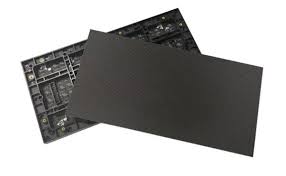
Advancements in surface-mounted device (SMD) technology have further enhanced pixel density and color reproduction capabilities, with the latest SMD LEDs capable of rendering over one billion colors by combining precise red, green, and blue diodes.
Important Technical Parameters
1. Pixel Pitch: The distance between the centers of two adjacent pixels. Smaller pixel pitches (<2 mm) result in sharper images, essential for indoor environments where viewing distances are short.
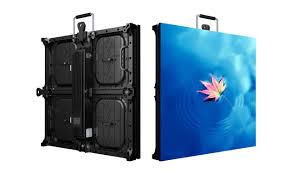
2. Brightness: Measured in nits or candelas per square meter (cd/m²), determines legibility under varying ambient light.
3. Refresh Rate: Set at a minimum of 1920 Hz for smooth video playback, reducing flicker which is critical for broadcast or professional signage.
4. Contrast Ratio: High contrast improves image depth and clarity.
5. Viewing Angle: To accommodate multiple viewers simultaneously, a wide viewing angle is necessary.
6. Lifetime and Reliability: Indoor LED modules generally boast an operational lifespan exceeding 100,000 hours, as per industry standards like IEC 62819.
Industry Standards and Quality Assurance
Adherence to international standards ensures indoor displays meet safety, performance, and environmental benchmarks. Notable among these are:
- IEC 62087: Specifies methods for measuring video and audio energy consumption, helping manufacturers optimize power efficiency.
- RoHS (Restriction of Hazardous Substances Directive): Ensures materials used in displays are environmentally responsible.
- Mura Class: A grading scale describing uniformity and dead pixels on LED modules. Grade A (lowest Mura) is preferred for premium installations.
- IP Rating: Typically, indoor displays achieve IP30 or higher for protection against dust and accidental contact, crucial for long-term reliability.
Applications and Case Studies
In the retail sector, indoor digital displays enhance customer engagement through dynamic promotional content. For example, a leading global fashion brand implemented 1.2 mm pixel pitch LED walls in their flagship stores, creating immersive brand experiences that increased foot traffic and dwell time.
Corporate environments utilize indoor digital signage for real-time data visualization in conference rooms or lobbies. A financial institution deploying 2 mm pixel pitch LED displays noted improved communication clarity and employee responsiveness in decision-making contexts.
Transportation hubs like airports and metro stations rely on indoor LED screens to broadcast timely updates and advertisements. With typical brightness settings of 1200-1500 nits, these displays remain legible despite the complex lighting environments.
Installation and Maintenance Considerations
Effective installation requires precise alignment and calibration of LED tiles to minimize visual discontinuities and Mura effects. Modular designs facilitate easier repairs and upgrades. Regular maintenance includes dust removal, color calibration using spectroradiometers, and firmware updates for control systems.
Thermal management is critical; LED components generate heat that must be dissipated through proper ventilation or integrated cooling systems. Failure in thermal regulation can degrade the lifespan of LEDs and compromise display performance.
Future Trends in Indoor Digital Display Screens
Emerging technologies such as MicroLED are driving the next wave of indoor displays, offering even higher pixel densities and better energy efficiency. Integration with AI-driven content management platforms enables dynamic content adaptation based on audience demographics and behavior analytics.
Additionally, transparent LED displays and flexible form factors are transforming design possibilities, enabling seamless blending into architectural features.
Conclusion
Indoor digital display screens represent a sophisticated intersection of advanced LED technology, precise engineering, and strategic content delivery. By understanding the technical nuances such as pixel pitch, brightness, refresh rate, and industry compliance, businesses and installers can deploy impactful visual solutions that captivate audiences and provide long-term reliability. Staying current with evolving standards and innovations is essential to maximize the benefits of indoor LED displays in various demanding environments.
References:
- International Electrotechnical Commission (IEC), IEC 62087:2017 – Methods of Measurement for Power Consumption of Audio, Video and Related Equipment.
- Electronic Industries Alliance (EIA) standards for LED displays.
- DisplayMate Technologies, "LED Display Technology and Calibration."
- “MicroLED Displays: Technology and Market Outlook,” Society for Information Display (SID), 2023.













