

Staging Digital Display: Enhancing Visual Impact for Events and Presentations
In the rapidly evolving landscape of event production and visual communications, staging digital displays have emerged as a pivotal technology, transforming how audiences engage with content. From corporate conferences and entertainment shows to trade exhibitions and public gatherings, the integration of advanced LED and LCD digital displays into staging setups offers unparalleled visual clarity, flexibility, and dynamic interaction.
Technical Overview and Key Parameters
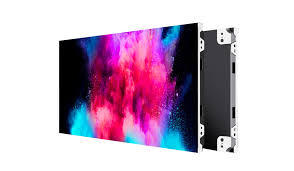
Staging digital displays primarily comprise modular LED panels or large-format LCD screens designed for seamless scalability and high durability. Their design supports various resolutions and brightness levels, critical factors influencing audience experience.
- Resolution: Common staging displays vary widely, with pixel pitches ranging from 0.9mm (fine pitch) suitable for close-up viewing, to 10mm or greater for large-scale outdoor applications. For indoor events, pixel pitches of 2.5mm to 4mm typically balance cost and image sharpness effectively.
- Brightness: Performance standards dictate minimum brightness levels of 800-1000 nits for indoor environments to overcome ambient lighting, while outdoor displays often require 5,000 nits or higher for daylight visibility (ITU-R BT.2020 standard considerations).
- Refresh Rate: To ensure flicker-free video playback, especially for live cameras, staging displays generally operate at refresh rates exceeding 1920Hz, aligning with EBU R128 guidelines on broadcast quality.
- Viewing Angle: Wide viewing angles (>140° horizontal and vertical) are essential to accommodate audiences from diverse sightlines without color distortion or brightness loss.
Design and Integration
Effective staging digital displays demand expert engineering for structural integration, optimal screen curvature, and precise color calibration. The modular nature allows displays to be configured in various shapes—curved, cylindrical, or large flat walls—ideal for immersive visual experiences.
Durability factors are equally critical. High-IP rated displays protect against dust and moisture, ensuring reliability over extended show runs. Seamless connectivity with media servers and lighting control systems enhances synchronization, a crucial aspect in event production workflows.
Applications and Industry Case Studies
A notable example of staging digital display effectiveness was witnessed during the 2022 international tech conference in Berlin, where a 300-square-meter LED mosaic wall provided ultra-high-definition visuals at a 2.5mm pitch. This setup allowed dynamic content switching and real-time interaction with the presenter’s input devices, substantially improving audience engagement metrics reported by Nielsen.
Similarly, outdoor concerts frequently employ high-brightness LED walls configured into panoramic displays, delivering vibrant visuals irrespective of ambient light conditions. This immersive effect not only attracts larger audiences but also enhances sponsor visibility and overall event branding.
Future Trends and Innovations
Advancements in microLED technology promise further improvements, such as energy efficiency gains up to 30% over traditional LEDs, higher contrast ratios, and even finer pixel pitches below 0.5mm, ideal for ultra-high-definition staging displays. Moreover, integration with AI-driven content management systems offers automated brightness and color calibration, adapting displays in real-time to environmental changes.
Industry Standards and Best Practices
To ensure staging digital displays meet international quality benchmarks, adherence to standards such as IEC 62087 for measuring power consumption and brightness, and the SI 8301 standard for image quality, is essential. Following these protocols guarantees uniformity and reliability, fostering trust among event organizers and end-users alike.
In conclusion, staging digital displays represent a cornerstone technology in modern event production, blending advanced engineering and visual science to captivate and inform audiences worldwide. Selecting the right technical specifications and qualified installation teams ensures that these displays deliver maximum impact with optimized operational performance.













