

Advancements and Applications of Small Pixel Pitch LED Displays in Modern Visual Technology
Small pixel pitch LED displays have become increasingly significant in the realm of digital visualization technology, marking a revolutionary advance in image clarity and resolution. As professionals in the LED display manufacturing industry, it is essential to explore the technical nuances, applications, and benefits these displays introduce, especially in environments demanding high fidelity and seamless visual experiences.
Understanding Small Pixel Pitch Technology
Pixel pitch refers to the distance between the centers of adjacent pixels on an LED screen, usually measured in millimeters. Small pixel pitch displays generally have pixel pitches ranging from 0.9 mm to 2.5 mm. The reduced distance between pixels leads to higher pixel density, which directly contributes to sharper image quality, finer detail rendering, and superior viewing at close range. According to the International Electrotechnical Commission (IEC) standards, displays with a pixel pitch under 2.5 mm are typically classified as fine pitch LED displays.
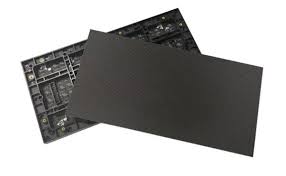
Reducing the pixel pitch comes with technical challenges such as increased manufacturing precision, higher thermal dissipation requirements, and complex calibration processes. The integration of advanced chip-on-board (COB) technology and precision automated placement systems has mitigated these issues, enabling mass production of ultra-fine pixel pitch displays.
Technical Parameters and Industry Standards
For effective performance evaluation, key parameters include pixel pitch, resolution, brightness, refresh rate, and color gamut. A typical 1.2 mm pitch LED panel boasts a resolution of approximately 833,333 pixels per square meter, brightness levels exceeding 800 nits, and refresh rates above 3840 Hz to ensure flicker-free video playback, essential for broadcast-grade applications. Color reproduction often surpasses 95% of the NTSC gamut, with contrast ratios optimized via dynamic local dimming technologies.
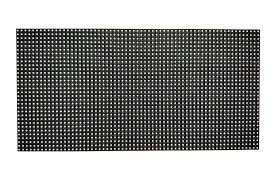
Thermal management remains critical; small pixel pitch modules dissipate more heat due to higher LED density. Employing materials with enhanced thermal conductivity and integrating active cooling solutions maintain panel longevity and consistent performance.
Applications Across Various Industries
Small pixel pitch LED displays are pivotal in sectors requiring crystal-clear and immersive visual experiences:
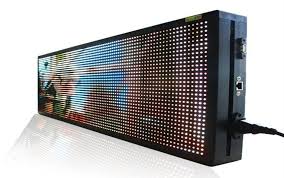
- Broadcast Studios: The ultra-high resolution and flicker-free capabilities facilitate real-time background displays that are vibrant and eye-pleasing on camera without post-processing anomalies.
- Corporate Environments: For control rooms and conference facilities, fine pitch LED walls enable detailed data visualization, improving decision-making efficiency.
- Retail and Advertising: Compact, high-resolution LED screens deliver dynamic signage that attracts and engages consumers with vivid imagery even in close viewing scenarios.
- Healthcare: Diagnostic imaging benefits from the enhanced detail and precision provided by small pixel pitch technology, enhancing clarity for medical professionals.
- Entertainment and Events: Concerts and exhibitions utilize these displays to provide large-scale visuals without pixelation, offering immersive audience experiences.
Future Trends and Innovations
The small pixel pitch LED display market is projected to grow significantly, driven by ongoing technological strides, including the integration of MicroLED components, which promise increased brightness, energy efficiency, and longer lifespan. Additionally, evolving surface mount technology (SMT) and AI-based calibration systems are streamlining production while enhancing display uniformity and color accuracy.
Manufacturers are also focusing on developing ultra-thin, lightweight modules to facilitate more flexible installations, including transparent and curved display formats. Such innovations expand the use cases for small pixel pitch technology, making it indispensable for cutting-edge digital signage and interactive display solutions.
Conclusion
The progressive refinement of small pixel pitch LED displays exemplifies the synergy between engineering innovation and practical application. Their superior resolution, enhanced pixel density, and versatility across numerous industries underscore their importance in contemporary visual technology infrastructures. Embracing these technological advances ensures manufacturers and end-users remain at the forefront of digital display excellence.
References:
- International Electrotechnical Commission, IEC 62368-1 Multimedia equipment safety standard
- Society for Information Display (SID) journals on LED display technologies
- Case studies from prominent LED manufacturers including Samsung, LG, and Leyard













