

Cab Top LED Display Technology: Enhancing Urban Transportation Visibility and Communication
In the evolving landscape of urban transportation, cab top LED displays have emerged as a pivotal innovation that enhances visibility, communication, and passenger experience. These displays, mounted atop taxis and ride-sharing vehicles, serve as dynamic message boards delivering critical information such as availability status, advertisements, and public service announcements. Leveraging advances in LED technology, modern cab top displays integrate high brightness, energy efficiency, and intelligent control systems to operate effectively in diverse environmental conditions.
Technical Specifications and Industry Standards
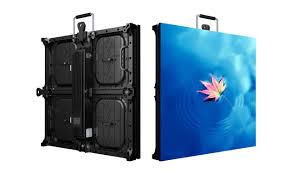
Cab top LED displays typically utilize SMD (Surface-Mounted Device) LED modules, with pixel pitches ranging from 4mm to 10mm, depending on the required resolution and viewing distance. A common configuration might include a 64x32 pixel matrix, enabling clear legibility across several meters. These modules employ high-brightness LEDs with luminance levels up to 7,000 nits, exceeding the general outdoor display threshold of 5,000 nits as specified by the Illuminating Engineering Society (IES) to combat ambient light interference.
Power efficiency is critical for vehicular applications. Modern cab top LED displays integrate low power consumption drivers and use PWM (Pulse Width Modulation) dimming techniques to balance brightness and energy efficiency. The displays often operate on a 12V or 24V DC power supply directly sourced from the vehicle's electrical system, with integrated voltage regulation to protect against fluctuations.
Durability and Environmental Resilience
Given their exposure to outdoor conditions, cab top LED displays adhere to stringent ingress protection standards, primarily IP65 or higher, ensuring resistance against dust, rain, and vibration. The chassis is typically constructed from lightweight aluminum alloys, providing both structural integrity and efficient thermal dissipation. Thermal management relies on passive heat sinks and, in some advanced models, low-noise fans to maintain LED junction temperatures within optimal ranges (typically below 85°C) to prolong module lifespan, which commonly exceeds 50,000 operational hours.
Control and Connectivity
The integration of wireless communication technologies such as 4G/5G and Wi-Fi enables real-time content updates and remote monitoring. Control systems use embedded microcontrollers with RGB LED drivers supporting various display modes, including static messages, scrolling text, and multimedia advertisements. Software platforms adhere to protocols like TCP/IP, facilitating seamless synchronization with centralized management systems.
Manufacturers incorporate GPS modules to trigger location-based messages or dynamic taxi availability indications. Data security and fail-safe mechanisms are crucial, with encrypted communication channels safeguarding against unauthorized content manipulation. Such features align with standards outlined by the Society of Automotive Engineers (SAE) J1939 for in-vehicle networking and communication.
Practical Applications and Case Studies
Cities worldwide have adopted cab top LED displays to promote smarter transportation ecosystems. For instance, Singapore’s Land Transport Authority piloted a fleet equipped with these displays, allowing taxis to broadcast real-time availability and targeted safety messages during peak hours. The initiative resulted in a 15% increase in passenger hailing efficiency and contributed to enhanced urban safety.
Similarly, in New York City, advertising agencies have partnered with taxi operators to deploy dynamic ad campaigns on cab top LED displays, generating incremental revenue streams and providing compelling reader engagement during urban commutes. The displays' ability to switch content instantly supports time-of-day and geographic targeting, optimizing advertising impact.
Future Trends and Innovations
The trajectory of cab top LED displays is marked by integration with AI-driven analytics and IoT platforms. Advanced systems can analyze passenger demand patterns and adjust messaging accordingly, delivering hyper-personalized content. The adoption of transparent OLED (Organic Light Emitting Diode) technologies could further enhance display integration with vehicle design, offering more discreet yet vivid communication interfaces.
Moreover, the trend toward energy harvesting solutions such as solar panels atop cabs presents a sustainable approach to powering displays, reducing dependency on the vehicle’s battery and lowering operational costs.
Conclusion
Cab top LED displays represent a fusion of technological sophistication and urban mobility needs, offering enhanced visibility, efficient communication, and new economic opportunities for transportation operators. By adhering to rigorous technical standards, ensuring robust environmental resilience, and embracing connectivity and data intelligence, these displays play an essential role in shaping the future of smart cities.
Manufacturers and urban planners must collaborate closely, prioritizing performance, reliability, and compliance with industry regulations to maximize the benefits of cab top LED display technology. Continuous innovation and integration with emerging smart transport initiatives will cement their status as indispensable tools in the evolution of modern urban transportation.













