

The Comprehensive Guide to LED Display Manufacturing: Technical Insights and Industry Standards
LED display technology has become the cornerstone of modern visual communication, evolving rapidly to meet diverse application needs ranging from large-scale outdoor advertising to critical indoor control systems. As an experienced LED display engineer, I aim to provide a detailed, practical, and technology-focused overview of the LED display manufacturing landscape, addressing key technical parameters, industry standards, and best practices that ensure high-quality and reliable displays.
Understanding the Core Components of LED Displays
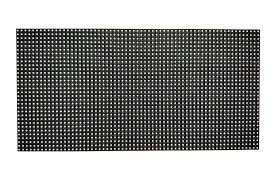
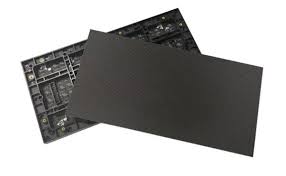
At the heart of any LED display lies the LED module, which consists of several key components: the LED chips, the circuit board, driver ICs, and the protective encapsulation. The choice of LED chip — typically red, green, and blue (RGB) — determines the display’s color quality and brightness. High-grade SMD (Surface Mounted Device) LEDs with wavelengths calibrated close to the Rec. 709 standard are preferred for achieving true-to-life colors and high luminous efficacy.
Pixel Pitch and Resolution
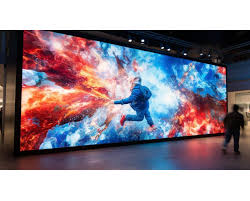
One of the most critical technical parameters in LED manufacturing is the pixel pitch, defined as the distance between the centers of two adjacent pixels. Pixel pitch directly affects the display resolution and viewing distance. Common pixel pitches range from 0.9mm for ultra-fine indoor displays to 20mm or more for outdoor billboards. According to the industry reference, the optimal viewing distance (in meters) is approximately 1 to 3 times the pixel pitch in millimeters (LED Display Association, 2021). For example, a 2mm pixel pitch display is best viewed from 2 to 6 meters.
Brightness and Contrast Ratios
Outdoor LED displays must achieve brightness levels exceeding 5000 nits to overcome sunlight glare, while indoor displays typically operate around 800 to 1500 nits to prevent eye strain and maintain color fidelity. Contrast ratio, defined as the luminance of the brightest white to the darkest black, is equally important for image clarity. High contrast ratios (over 3000:1) are achieved by utilizing precise LED grayscale calibration and advanced driver ICs that support high refresh rates.
Refresh Rate and Gray Scale Depth
To ensure smooth and flicker-free images, especially in environments with high-speed video or camera recording, LED displays need refresh rates above 1920Hz. High refresh rates minimize visual artifacts and flickering. Additionally, grayscale depth, typically 14 to 16-bit in professional-grade displays, enables the display of subtle gradients and improves overall color rendering accuracy.
Industry Standards and Quality Control
Manufacturing LED displays requires adherence to recognized industry standards such as IEC 62368-1 for safety, RoHS compliance for environmental safety, and ISO 9001 for quality management. Utilizing automated optical inspection (AOI) machines during the assembly process guarantees pHOSPHERON, LED chip placement accuracy, and solder joint integrity. Additionally, rigid environmental testing including thermal shock tests, humidity exposure, and vibration tests ensures product durability.
Thermal Management and Power Efficiency
Effective thermal management extends the LED lifespan and maintains stable display performance. Techniques such as aluminum-based PCB substrates, heat sinks, and forced air cooling are industry best practices. Power efficiency is also vital; recent advances in LED driver ICs have reduced power consumption by up to 30% without compromising brightness (Source: LEDinside, 2023).
Application-Specific Design Considerations
Customization is prevalent in t he LED display industry, tailored to applications like stadium scoreboards, broadcast studio walls, retail signage, and transportation hubs. For instance, LED displays used in control rooms require higher pixel density and grayscale depth for detailed graphics, whereas outdoor advertising focuses on brightness and waterproof ratings (IP65 or higher).
Case Study: Successful Implementation of Fine-Pitch Indoor LED Display
A partnership project with a major European airport to install a 1.2mm pixel pitch LED wall demonstrated the integration of the above parameters. The installation featured 10,000 nits brightness peak capability, 3840Hz refresh rate, and strict compliance with EN 55032 electromagnetic compatibility standards. The result was a vibrant, durable display that significantly enhanced passenger experience and wayfinding efficiency.
Conclusion
LED display manufacturing is a complex process combining advanced materials science, precision electronics, and rigorous quality control. Understanding and optimizing technical parameters such as pixel pitch, brightness, refresh rate, and thermal management is essential for delivering high-performance displays that meet diverse application requirements. By aligning manufacturing processes with international standards and leveraging ongoing technological developments, suppliers can reliably produce LED displays that excel in durability, visual performance, and energy efficiency.
For engineers and manufacturers, staying abreast of trends such as mini-LEDs, micro-LEDs, and AI-driven calibration tools will be crucial to remain competitive in this rapidly evolving industry.













