

Advanced LED LCD Screen Manufacturing: Technical Insights and Industry Best Practices
The development and manufacture of LED LCD screens have undergone significant advancements over the past decade, driven by the increasing demand for high-resolution displays across consumer electronics, industrial applications, and large-format digital signage. As a professional LED display engineer with extensive experience, this article provides a comprehensive and authoritative exploration of the key technical parameters, manufacturing processes, and industry standards pivotal to producing superior LED LCD displays.
Core Technical Parameters
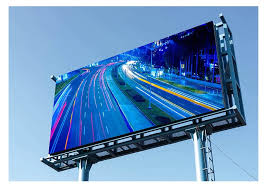
One of the foundational aspects influencing LED LCD screen quality is pixel pitch, defined as the distance between two adjacent pixels, typically measured in millimeters. A smaller pixel pitch, such as 0.9mm or 1.2mm, ensures higher resolution and greater image clarity, essential in applications like control rooms and broadcast studios. Conversely, larger pixel pitches, e.g., 3mm or 4mm, are suited for outdoor signage where viewing distances are longer. Industry standards such as the IEC 62087 help standardize metrics such as luminance and contrast to ensure consistent performance.
Luminance is another critical parameter, measured in nits (cd/m²). Indoor LED LCD displays typically have luminance levels ranging from 800 to 1500 nits, balancing brightness with energy efficiency. Outdoor displays require higher luminance—often between 5000 to 7000 nits—to maintain visibility under direct sunlight. Contrast ratio, representing the difference between the brightest white and the darkest black, is typically optimized in LED LCD panels through the use of advanced polarizers and backlight modulation technologies.
Manufacturing Process
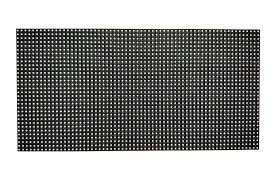
The LED LCD manufacturing process integrates several complex steps that demand precision and strict quality control. Initially, the LCD panel substrate undergoes photolithography to form the thin-film transistors (TFTs) matrix. The alignment of liquid crystal molecules, controlled electrically, modulates light from the LED backlight to create images. Innovations in LED backlighting, such as local dimming zones and quantum dot enhancement films (QDEF), further improve color accuracy and dynamic range.
During assembly, precision in soldering fine-pitch LED modules is crucial to prevent dead pixels and ensure uniformity. Automated optical inspection (AOI) systems are widely employed to detect anomalies immediately after production phases, reducing defect rates. Adhering to IPC standards such as IPC-A-610 ensures electronic component integrity and solder joint reliability.
Industry Standards and Quality Assurance
Industry compliance is pivotal for market acceptance and longevity of LED LCD displays. Compliance with RoHS (Restriction of Hazardous Substances) directives ensures environmental safety by limiting toxic substances. Furthermore, certifications like UL (Underwriters Laboratories) and CE markings attest to electrical safety and electromagnetic compatibility.
Thermal management is critical; LED backlights generate heat that must be dissipated to maintain operational stability. Use of heat sinks, thermal interface materials, and airflow engineering conforms to standards like JEDEC JESD51-51. Proper heat dissipation prolongs LED lifespan, often guaranteeing operational lifetimes exceeding 100,000 hours under standard conditions.
Applications and Case Studies
High-profile projects exemplify the practical application of advanced LED LCD technology. For example, the installation of fine-pitch LED video walls in control centers at Tokyo Electric Power’s facility demonstrated improved decision-making capabilities due to superior image clarity and real-time responsiveness. Similarly, outdoor stadium displays integrating high-luminance LED backlighting enhanced audience engagement despite challenging lighting conditions.
Future Trends
The industry is moving towards even finer pixel pitches as manufacturing technology evolves, pushing the limits of perceived resolution. Integration of AI-powered calibration systems is advancing panel uniformity adjustment and dynamic content optimization. Additionally, eco-friendly manufacturing processes and recyclable materials are gaining importance, aligning with global sustainability goals.
In conclusion, manufacturing LED LCD screens demands a confluence of precise engineering, adherence to established industry standards, and cutting-edge technological implementation. Understanding and optimizing parameters such as pixel pitch, luminance, contrast ratio, and thermal management are essential for producing reliable, high-performance displays. As technologies progress, these best practices will underpin the continued evolution of LED LCD displays in various applications worldwide.













