

Waterproof Outdoor Digital Signage: A Comprehensive Guide to Durability and Performance
Waterproof outdoor digital signage has become a critical solution for businesses, municipalities, and event organizers seeking robust, high-visibility communication tools that withstand harsh environmental conditions. As a professional in the LED display industry, I aim to provide an authoritative, technical, and practical overview of waterproof outdoor digital signage that integrates industry standards, technical parameters, and real-world applications.
Understanding Waterproof Outdoor Digital Signage
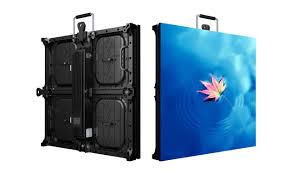
Outdoor digital signage refers to electronic displays designed for advertising, information dissemination, or interactive engagement in open environments. The addition of waterproof capabilities ensures that these digital signs operate reliably despite exposure to rain, snow, humidity, and splash hazards.
The International Protection (IP) rating system is the primary standard used to define the waterproof level of outdoor digital signage. Typically, displays designed for outdoor use exhibit at least an IP65 rating, indicating complete protection against dust ingress and low-pressure water jets from any direction. Some high-end models achieve IP67 or even IP68 ratings, enabling them to withstand immersion in water for short periods, underscoring their durability in extreme environmental conditions.
Key Technical Parameters and Components
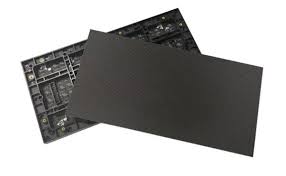
1. IP Rating and Enclosure Integrity:
- IP65: Dust-tight and protected against water jets.
- IP67: Dust-tight and water-resistant up to 1 meter immersion for 30 minutes.
Materials used for enclosure are typically marine-grade aluminum or stainless steel with powder-coating to prevent corrosion and oxidation.
2. Brightness and Visibility:
Outdoor digital signage must offer high brightness levels to remain visible under direct sunlight. Typically, brightness ranges from 2500 to 7000 nits. High refresh rates (above 1920 Hz) ensure flicker-free images suitable for close viewing distances and camera capture.
3. Temperature Range and Thermal Management:
Outdoor displays operate typically from -40°C to +60°C, often equipped with built-in heaters and cooling fans or advanced thermal design like heat pipes and convection chambers to maintain optimal internal temperatures and humidity control.
4. Display Technology:
- LED (Light Emitting Diode) displays dominate outdoor signage due to their modular design, vibrant colors, and scalability.
- LCD with high-brightness panels and anti-reflective coatings are another option but generally offer less ruggedness compared to LED solutions.
5. Power and Connectivity:
Efficient power supplies capable of handling voltage fluctuations, surge protection, and redundancy are essential. Connectivity through Ethernet or 4G/5G cellular networks enables real-time content updates and remote diagnostics.
Practical Applications and Case Studies
- Retail and Advertisement:
Leading retail chains deploy waterproof digital signage on storefronts and street-facing facades to attract consumers around the clock. For instance, renowned brands in Europe have reported increased foot traffic after integrating IP67 compliant LED displays with dynamic content capabilities.
- Public Transportation Hubs:
Airports and train stations rely on waterproof digital signage for schedule updates and emergency information. The emphasis on ruggedness reduces downtime and maintenance costs in humid or rainy regions.
- Outdoor Events and Stadiums:
Temporary installations for sports events require quick setup, stability during rainfall, and high visibility under stadium lighting. Modular LED screens rated IP65+ help meet these requirements effectively.
Maintenance and Longevity
Maintaining waterproof outdoor digital signage involves routine inspection of seals, monitoring humidity inside the enclosure, and cleaning surfaces to prevent dust and grime accumulation. Use of surface treatments such as tempered glass or anti-glare coatings enhances durability and image clarity.
Industry data indicates that with adherence to recommended maintenance and usage guidelines, outdoor digital signage cabinets can maintain performance levels for 7-10 years, providing a strong return on investment.
Conclusion
Waterproof outdoor digital signage represents a fusion of advanced engineering, durable materials, and smart design. By selecting appropriate IP-rated displays, optimizing technical parameters such as brightness and temperature tolerance, and ensuring proper installation and maintenance, businesses can leverage these devices to enhance customer engagement and deliver reliable communications in even the most challenging outdoor environments.
For engineers and project managers, understanding the nuances of waterproofing standards, display technology, and environmental resilience is vital to achieving successful deployments tailored to specific industry requirements.
Authoritative References:
- IEC 60529: Degrees of Protection Provided by Enclosures (IP Code)
- ANSI/SCTE 143 2020 Outdoor LED Display Guidelines
- Digital Signage Federation: Best Practices for Outdoor Display Installations
- Case studies from NEC Display Solutions and Samsung Outdoor LED Division
SEO Keywords: waterproof outdoor digital signage, IP65 outdoor LED display, outdoor waterproof LED screen, high-brightness outdoor digital sign, rugged digital signage
SEO Description: Explore the comprehensive technical landscape of waterproof outdoor digital signage including IP ratings, brightness standards, durability, and practical applications to ensure high-performance and longevity in challenging environments.













