

Advanced LED Display Technology in Modern Screens: Design, Manufacturing, and Performance Insights
The evolution of LED display technology has transformed visual communications across numerous sectors, including advertising, entertainment, retail, and public information systems. As an experienced LED display engineer, I will provide an in-depth analysis of the critical aspects of LED LCD screen manufacturing, highlighting design parameters, industry standards, and practical considerations crucial for high-quality performance and longevity.
Key Technical Parameters and Their Impact
LED displays typically consist of an array of Light Emitting Diodes (LEDs) that modulate light intensity to form images. The primary technical specifications influencing display quality include pixel pitch, brightness, color accuracy, refresh rate, and viewing angle.
- Pixel Pitch: Defined as the distance between the centers of adjacent pixels, pixel pitch directly influences the resolution and viewing distance. High-resolution indoor screens often utilize pixel pitches ranging from 0.9 mm to 2.5 mm, enabling close-range viewing with crisp images (International Electrotechnical Commission, IEC 62471). Outdoor displays may opt for larger pitches of 4 mm to 10 mm to optimize visibility from greater distances.
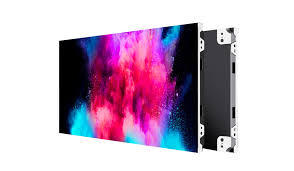
- Brightness: Outdoor LED screens demand high luminance levels exceeding 5,000 nits to counteract sunlight glare, while indoor displays typically operate around 800–1,200 nits. Advanced LED modules integrate brightness regulators capable of automatic ambient light adjustment, ensuring consistent visibility and reducing power consumption.
- Color Gamut and Accuracy: Achieving wide color gamuts (typically covering >90% of NTSC or BT.709 standards) enhances vibrancy and realism. Incorporating high-quality RGB LEDs with tight binning control ensures uniform chromaticity across the display, reducing color deviation and visual fatigue.
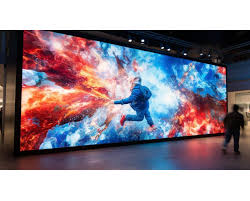
- Refresh Rate: Critical for motion clarity, refresh rates of 1920 Hz and above are standard to eradicate flicker effects. This feature is particularly important for video playback and broadcast environments.
- Viewing Angle: A wide viewing angle (up to 160° horizontal and vertical) ensures consistent image quality even from oblique perspectives, enhancing the user experience in public spaces.
Manufacturing Process and Quality Control
The production of LED displays involves multiple stages: PCB design, component assembly, soldering, encapsulation, and rigorous quality control testing. The choice of high-grade components, such as SMD LEDs (Surface-mounted device) with low forward voltage and long lifespan (>100,000 hours), forms the foundation of reliability.
Surface Mount Technology (SMT) is employed for precise LED placement, requiring automated pick-and-place machines and reflow soldering to minimize defects. Quality inspections include luminance uniformity tests, chromaticity measurements via spectroradiometers, and environmental stress testing (temperature, humidity cycling).
Additionally, adherence to international standards such as UL 8750 (LED lighting safety), IEC 60598, and RoHS compliance is essential to meet safety, environmental, and electromagnetic compatibility requirements.
Innovations Driving Industry Trends
The integration of mini-LED and micro-LED technologies represents a leap forward in display resolution and energy efficiency. Mini-LED technology incorporates thousands of tiny LEDs serving as local dimming zones, significantly enhancing contrast ratios and black levels compared to conventional LED-backlit LCDs.
Micro-LED displays, characterized by even smaller self-emissive diodes, promise superior brightness, response times, and color fidelity without the burn-in risks associated with OLEDs. While challenges remain in mass manufacturing and cost reduction, micro-LEDs are rapidly gaining traction in high-end commercial and consumer displays.
Furthermore, advancements in smart driver ICs and flexible PCB designs enable curved and flexible LED displays, opening new avenues in architectural and interactive installations.
Practical Considerations and Maintenance
Optimizing LED display longevity necessitates proper heat dissipation techniques, including the use of aluminum heat sinks and active cooling systems to maintain junction temperatures below critical thresholds (typically 85°C). Operating outside manufacturer temperature and humidity ranges can accelerate degradation and cause pixel failures.
Routine calibration sessions using colorimeters and automated software ensure consistent color reproduction over time. Protective coatings and sealed enclosures safeguard outdoor LED displays against dust, moisture (IP65 or higher rating), and mechanical impacts.
Case Studies and Industry Applications
High-profile outdoor LED installations, such as Times Square’s digital billboards and stadium perimeter displays, exemplify the application of robust LEDs capable of withstanding extreme environmental stresses while delivering vivid visual content to millions daily.
Indoor LED video walls designed for control rooms and broadcast studios prioritize ultra-high resolutions and flicker-free performance, often integrating advanced processing hardware for real-time image scaling and color calibration.
In retail environments, interactive LED displays combine touch sensors with high brightness and color accuracy to engage consumers effectively.
Conclusion
The LED display manufacturing industry continually advances through the integration of precise engineering, rigorous quality standards, and innovative materials. A comprehensive understanding of technical parameters and manufacturing practices is vital in producing durable, high-performance LED displays tailored to diverse application needs. These displays offer unmatched reliability and visual excellence when engineered according to established guidelines and supported by ongoing maintenance.
References:
- International Electrotechnical Commission, IEC 62471 Safety of Laser Products and LED Sources
- Underwriters Laboratories, UL 8750 Standard for LED Equipment
- Society for Information Display (SID), Display Industry Standards
- Recent industry publications on mini-LED and micro-LED technologies, Journal of the Society for Information Display, 2023
- Manufacturer technical datasheets from Cree, Nichia, and Samsung LED product lines













