

Advanced Techniques and Quality Standards in LED LCD Screen Manufacturing
The manufacturing of LED LCD screens represents a sophisticated fusion of optoelectronics, materials science, and precision engineering. As global demand for high-definition displays surges across consumer electronics, automotive dashboards, industrial applications, and digital signage, adherence to rigorous production standards and utilization of advanced techniques is critical to delivering superior performance, reliability, and longevity.
Industry Overview and Technological Foundations
LED LCD (Liquid Crystal Display) screens combine LED backlighting with liquid crystal technology to achieve vibrant images with high contrast ratios and wide viewing angles. According to the International Electrotechnical Commission (IEC 62087 standard), performance characterization of TV and video displays mandates metrics like luminance (cd/m²), contrast ratio, color gamut (measured against standards such as BT.2020 and DCI-P3), response time, and power consumption. Dimensional tolerances in modern production facilities commonly measure pixel pitch—from ultra-fine pitches as low as 0.5 mm in small professional panels to 10 mm or more in large-format outdoor signage—ensuring a balance between resolution and viewing distance.
Material Selection and Panel Assembly
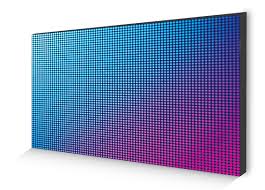
Material purity is paramount. Semiconductor-grade indium tin oxide (ITO) is typically used for transparent electrodes, enabling uniform electric fields to manipulate liquid crystals responsively. Manufacturers must implement cleanroom environments (ISO Class 7 or better) to mitigate dust contamination, which otherwise causes dead pixels or uneven backlighting. The integration of LED backlights involves using high-luminosity gallium nitride (GaN) LEDs with precise current regulation to maintain consistent brightness and color temperature, commonly calibrated around 6500K for daylight balance.
Process Innovations and Quality Control
Several key innovations enhance production yield and product robustness:
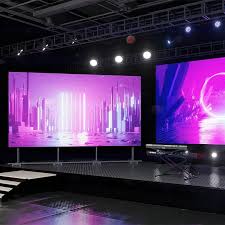
- Automated Optical Inspection (AOI): This system detects microscopic defects in LCD cells or LED arrays, identifying anomalies like stuck pixels, short circuits, or misaligned electrode patterns.
- Pulse Width Modulation (PWM) Backlighting: Employing PWM for LED brightness control reduces latency and power consumption, indispensable for mobile device displays.
- Thermal Management: Incorporating heat spreaders made from aluminum or copper alloys prevents localized heating, extending lifespan and maintaining color stability, as thermal gradients can cause liquid crystal degradation.
- Electro-Optical Testing: Calibration systems simultaneously measure gamma curves, chromaticity coordinates, and uniformity under various environmental conditions as stipulated by Society for Information Display (SID) recommendations to ensure consistent visual quality across production batches.
Challenges and Solutions in Large-Scale Manufacturing
Scaling production for large displays (over 75 inches) introduces unique mechanical stresses and uniformity challenges. Pioneering techniques such as In-Plane Switching (IPS) and Vertical Alignment (VA) liquid crystals cater to broader viewing angles and deeper blacks. Advanced bonding technologies, including optically clear adhesives (OCAs), reduce reflection losses between layers. Supplier partnerships with raw material producers ensure traceability and compliance with environmental regulations, including RoHS (Restriction of Hazardous Substances Directive) and REACH standards.
Case Study: Implementation of a Six-Sigma Quality Program
A leading display manufacturer implemented a Six-Sigma initiative to lower defect rates from 2% to below 0.1%. By applying Design of Experiments (DoE) and Statistical Process Control (SPC), the investment in real-time monitoring of temperature, humidity, and voltage parameters led to a 35% yield improvement. This not only reduced wastage but also enhanced end-user satisfaction and device durability over typical operational lifespans of over 50,000 hours.
Future Trends and Industry Outlook
Emerging trends in LED LCD manufacturing include mini-LED and micro-LED backlighting technologies, promising higher dynamic range and efficiency. Integration with quantum dot enhancement films (QDEF) further expands color gamut and brightness. Moreover, the advent of flexible and transparent LCDs, enabled by innovations in substrates like plastic and ultra-thin glass, opens new frontiers in mobile and wearable device design.
In conclusion, LED LCD screen manufacturing demands a comprehensive approach involving cutting-edge materials engineering, stringent quality control, and continuous process refinement. Industry professionals must adhere to international standards and adopt innovations to meet evolving market needs. Display engineers leveraging these practices ensure that LED LCD products deliver exceptional image quality, durability, and energy efficiency, sustaining their pivotal role in the electronics ecosystem.













