

LED Passenger Information Displays for Rail: Enhancing Communication and Safety in Modern Transit Systems
In the evolving landscape of rail transportation, LED passenger information displays have become a cornerstone technology for delivering real-time, accurate, and clear information to commuters. These displays are not merely digital signboards but sophisticated communication systems that enhance safety, operational efficiency, and passenger experience. Drawing from years of industry experience and adhering to global standards such as IEC 62236-301 (Railway applications – Communication, signaling and processing systems – Part 301: Signaling safety), this article explores the critical role of LED displays in rail environments.
Technical Specifications and Design Considerations
Passenger information displays (PIDs) in rail settings are designed to operate reliably in harsh conditions, including extreme temperature variations, high humidity, vibration, and electromagnetic interference (EMI). The adoption of high-brightness LED modules is essential, typically offering luminance levels exceeding 5000 nits to ensure visibility under direct sunlight and in tunnels. Pixel pitch, usually ranging from 1.2 mm to 4.0 mm for indoor and outdoor applications respectively, determines the resolution; finer pixel pitch improves readability and supports diverse content forms such as static text, dynamic schedules, and multimedia.
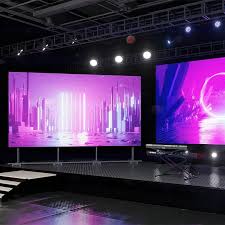
Moreover, IP65 or higher ingress protection ratings are standard for outdoor displays, safeguarding electronics against dust and water ingress. Robust mechanical housing, often made of aluminum alloy with anti-corrosion coatings, guarantees durability and longevity. Advanced optical filters and anti-reflective coatings further optimize display clarity.
Integration with Rail Information Systems
Modern LED PIDs seamlessly integrate with centralized railway operation centers through protocols like MQTT or SNMP enabling real-time data updates, emergency alerts, and crowd management information. Rail operators benefit from customizable display templates that adapt to schedule changes, delays, and platform alterations, enhancing the passenger experience by reducing uncertainty and stress.
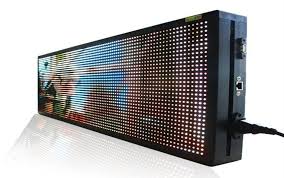
The interoperability of LED displays with Automatic Train Control (ATC) and Passenger Information Systems (PIS) is crucial for synchronized communication. For example, during disruptions, dynamic messages can prompt passengers to evacuate safely or redirect flow efficiently, significantly mitigating risk.
Case Studies and Industry Applications
Leading metropolitan rail networks such as the London Underground and Tokyo Metro have deployed advanced LED passenger information displays. These systems have demonstrated a measurable increase in passenger satisfaction and a reduction in boarding times. The Hong Kong MTR, for instance, utilizes high-definition LED screens with universal pictograms and multilingual support to cater to diverse commuter demographics.
In freight and long-distance rail applications, LED displays contribute to operational communication by providing cargo status or safety warnings at stations and depots.
Future Trends and Technological Innovations
The integration of AI and IoT enhances LED display functionality by enabling predictive passenger flow management and adaptive content strategies based on real-time analytics. Interactive touch-enabled LED screens are emerging, offering personalized journey information and seamless ticketing services.
Sustainability considerations are driving the development of energy-efficient LED modules with low power consumption and recyclable materials. Compliance with environmental standards like RoHS and REACH is becoming mandatory.
Conclusion
LED passenger information displays for rail are vital in delivering clear, accurate, and timely information to passengers, improving safety, operational efficiency, and overall transit experience. Their design embraces ruggedness and technological sophistication to thrive in challenging rail environments while integrating with broader rail communication systems. With continuous innovation, these displays will remain indispensable in the future of rail transport.
References:
- IEC 62236-301: Railway applications – Communication, signaling and processing systems
- International Association of Public Transport (UITP) Reports on Passenger Information Systems
- Case Study: London Underground Digital Displays, Transport for London (TfL)
- Hong Kong MTR Passenger Information Systems Documentation













