

Advances in LED Display Technology: Enhancing Image Quality and Reliability
The LED display industry has experienced rapid advancements in recent years, driven by increasing demand for high-definition, energy-efficient, and durable screens across various applications including advertising, entertainment, and control systems. As a professional LED display engineer with extensive experience in screen manufacturing, this article explores the crucial technical parameters, industry standards, and best practices that define modern LED display technology, ensuring exceptional image quality and operational reliability.
Core Technical Parameters and Their Impact
Understanding the key specifications of LED screens is essential for both manufacturers and end-users.
1. Pixel Pitch
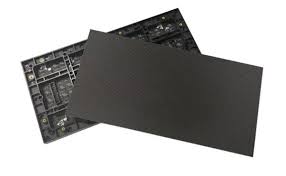
Pixel pitch, measured in millimeters, is the center-to-center distance between adjacent pixels. It directly affects the resolution and viewing distance. For example, a 1.5mm pixel pitch LED display offers ultra-high resolution suitable for close viewing environments, such as broadcast studios, whereas a 10mm pixel pitch is more appropriate for large outdoor billboards viewed from afar. Industry standards recommend pixel pitch selection based on optimal viewing distance, typically calculated as 1.5 to 2 times the pixel pitch in millimeters (ICSG, 2023).
2. Brightness and Contrast Ratio
Brightness levels are measured in nits (cd/m²), with standard indoor LED panels ranging from 800 to 1,500 nits and outdoor panels exceeding 5,000 nits to combat sunlight. Contrast ratio, the difference between the brightest and darkest parts of the screen, is a critical parameter influencing perceived image depth and clarity. Modern LED displays, incorporating high-quality driver ICs and advanced processing algorithms, can achieve contrast ratios exceeding 4,000:1 (IEC 62471 standards).
3. Color Accuracy and Refresh Rate
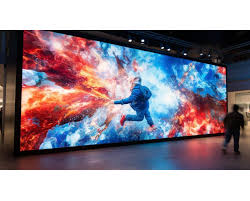
The color gamut coverage (e.g., NTSC or Rec. 709 standards) and color temperature calibration are critical for accurate image reproduction, especially in video walls used in broadcasting. Refresh rate, typically ranging from 1,920Hz to 3,840Hz for professional LED displays, ensures flicker-free visuals even under slow-motion capture by high-speed cameras, a frequent requirement in live events and sports broadcasting.
Manufacturing Excellence and Quality Control
High-quality LED displays demand rigorous manufacturing processes to ensure uniformity, stability, and longevity. The adoption of Surface-Mount Technology (SMT) with precision placement machines improves LED module consistency. Additionally, binning processes ensure LEDs with uniform brightness and color characteristics are grouped together, effectively minimizing variations that could impair image quality.
Industry leaders implement stringent environmental testing following IPC standards, including humidity cycling and thermal shock tests to guarantee resistance to extreme operating conditions. For instance, IP65 rated outdoor LED displays assure dust tightness and protection against water jets, extending operational life in harsh environments.
Reliability Through System Design
Robust power supplies with over-current, over-voltage, and surge protection are critical to maintaining LED panel longevity. Most professional LED display systems incorporate redundant power and data paths to enhance uptime. Advanced calibration technologies, such as automatic brightness balancing and temperature compensation, maintain consistent performance over the display’s lifetime.
Furthermore, the integration of intelligent control systems based on FPGA and ARM microcontrollers facilitates real-time diagnostics and remote monitoring, providing proactive maintenance opportunities that reduce downtime.
Case Study: Implementation in an International Airport Display System
One notable application is the installation of a fine-pitch LED video wall at an international airport’s control center. Featuring a 2.5mm pixel pitch, 2,500 nits brightness, and 3,000Hz refresh rate, the display supports real-time flight monitoring, weather updates, and security feeds. The system’s advanced calibration and redundancy architectures have resulted in over 99.9% uptime across demanding continuous operation schedules, demonstrating the critical role of engineering excellence.
Future Trends and Industry Outlook
The future of LED display technology points towards even finer pixel pitches (below 1mm), greater integration of MicroLED technologies, and enhanced energy efficiency through advanced materials. Innovations in AI-driven content optimization and flexible, transparent LED screens are poised to expand the use cases further.
In conclusion, mastery of key LED display parameters, adherence to international standards, and the implementation of rigorous manufacturing and quality control processes are foundational to delivering displays that meet the high demands of modern users globally. Professionals in the field must continuously adapt to evolving technologies and maintain rigorous engineering discipline to ensure LED display systems are not only visually superior but also reliable and durable.
Sources:
- International Commission on Illumination (CIE) Reports, 2023
- IEC 62471 Photobiological Safety Standard
- IPC-A-610: Acceptability of Electronic Assemblies
- Case Studies: Airport Display Systems, Sony Professional Solutions, 2022













