

Advancements and Practical Insights in LED LCD Screen Manufacturing: Applications, Challenges, and Emerging Trends
LED LCD screen technology has been at the forefront of display innovation for over a decade, merging the benefits of liquid crystal displays with energy-efficient and vivid LED backlighting. As a professional LED display engineer with extensive experience, I will delve into the technical underpinnings, practical applications, advantages, recurring challenges, and emerging trends defining this dynamic industry.
Fundamentals and Technical Specifications
LED LCD screens primarily use a Liquid Crystal Display panel illuminated by Light Emitting Diodes (LEDs) as the backlight source. Unlike traditional Cold Cathode Fluorescent Lamps (CCFLs), LEDs offer higher brightness levels, better power efficiency, and slimmer panel profiles. Typical LED LCD panels exhibit brightness ranging from 300 to 1000 nits, with premium models reaching up to 2000 nits, enabling excellent visibility even under strong ambient lighting.
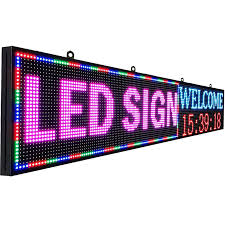
From a resolution standpoint, LED LCD technology supports a broad spectrum including Full HD (1920x1080), 4K Ultra HD (3840x2160), and upcoming 8K displays (7680x4320), making them suitable for applications that demand high pixel density and color accuracy. Color gamut coverage—often measured against standards such as sRGB or DCI-P3—typically exceeds 90% in modern LED LCDs, which is crucial for professional-grade color-critical tasks.
Backlight uniformity and contrast ratio remain important parameters, with many LED LCDs achieving contrast ratios between 1000:1 and 4000:1, thanks to innovations such as local dimming and quantum dot enhancements. The integration of In-Plane Switching (IPS) technology also improves viewing angles up to 178°, broadening practical usability in multi-viewer setups.
Practical Applications Across Industries
The versatility of LED LCD screens spans a wide range of sectors:
- Consumer Electronics: Televisions, laptops, and smartphones widely utilize LED-backlit LCD panels due to their balance of cost, energy efficiency, and image quality.
- Medical Imaging: High-fidelity displays calibrated to precise color and brightness specifications are essential for diagnostic accuracy in MRI, CT, and X-ray imaging.
- Industrial Automation: LED LCD panels embedded in control interfaces and monitoring stations help enhance operational visibility under variable environmental conditions.
- Outdoor Digital Signage: High-brightness and robustly sealed LED LCD displays serve as dynamic billboards and information kiosks resistant to weather and ambient light interference.
- Broadcast and Professional Media: Top-tier LED LCD screens deliver reliable, color-accurate reference monitors critical for content creation and post-production workflows.
Each application benefits from the LED LCD’s attributes such as low heat emission, energy efficiency (consuming up to 30-40% less power compared to CCFL backlights as per ENERGY STAR standards), and thinner physical profiles allowing flexible integration into diverse product designs.
Advantages of LED LCD Technology
Several intrinsic advantages drive the ongoing adoption of LED LCDs:
- Improved Energy Efficiency: LEDs can be precisely controlled to reduce power consumption, contributing to greener electronic products.
- Enhanced Color and Contrast Performance: Quantum dot enhancement films and mini-LED backlighting increase color purity and dynamic range.
- Longer Lifespan and Reliability: LEDs have a longer operational life (approximately 50,000 hours or more) and are less prone to failures compared to CCFLs.
- Design Flexibility: The thin and uniform LED backlighting panels allow manufacturers to innovate slim and lightweight device form factors.
- Environmental Benefits: LEDs do not contain mercury, unlike CCFLs, reducing toxicity in disposal.
Common Technical Challenges
Despite considerable progress, LED LCD manufacturing faces several persistent challenges:
- Backlight Bleed and Uniformity Issues: Uneven illumination can degrade visual experience, particularly under low-light conditions.
- Color Shifts and Viewing Angle Limitations: While IPS technology mitigates this, edge viewing angles can still show color distortion in certain LCD types.
- Heat Management: Although LEDs generate less heat than traditional sources, high brightness levels, especially in large formats, require effective thermal dissipation mechanisms to maintain performance and longevity.
- Complex Manufacturing Processes: Achieving consistent quality necessitates stringent control over LED placement, LCD panel alignment, and color calibration.
- Cost Factors: High-end LED LCDs using advanced features (e.g., mini-LED, quantum dots) have higher production costs, impacting price-sensitive markets.
Overcoming these requires continuous R&D investments and adherence to industry standards such as IEC 62368-1 for product safety and IEC 62679 for measurement of display parameters.
Emerging Trends and Future Directions
Several advanced developments are reshaping the LED LCD landscape:
- Mini-LED and Micro-LED Backlighting: By incorporating thousands of smaller LEDs, these technologies enable finer local dimming, higher dynamic contrast ratios exceeding 1,000,000:1, and superior HDR performance, narrowing the performance gap with OLED displays.
- Quantum Dot Enhancement Film (QDEF): QDEF materials boost color gamut and luminance while maintaining energy efficiency, increasingly integrated into premium LED LCD panels.
- Flexible and Transparent LED LCDs: Innovations in substrates and backlighting promise new form factors, including curved screens, foldable devices, and transparent panels for automotive and retail display applications.
- AI-Driven Picture Optimization: Leveraging machine learning algorithms to dynamically adjust backlighting and color calibration in real time enhances viewer experience.
- Sustainability Focus: Manufacturers prioritize recyclable materials, reduced hazardous substances, and energy-efficient production to meet environmental regulations and consumer demand.
Conclusion
LED LCD technology continues to be a cornerstone of modern display solutions, offering well-rounded performance that balances image quality, energy efficiency, and manufacturing scalability. Its broad applicability across consumer, industrial, medical, and professional environments underscores its versatility. While challenges remain—especially concerning uniformity and advanced feature costs—ongoing innovations such as mini-LED backlighting and quantum dot enhancements herald a new era of display excellence.
For engineers, manufacturers, and end-users looking for reliable, high-performance display systems, understanding these technical nuances and trends provides a competitive edge in selection and application.
References:
- ENERGY STAR Program Requirements for Displays, U.S. EPA
- IEC 62368-1: Audio/video, information and communication technology equipment – Safety requirements
- DisplayMate Technologies Whitepapers on LCD and LED Technologies
- SID (Society for Information Display) Journal Papers on Mini-LED and Quantum Dot Applications
- Yole Développement market reports on Micro-LED and Display technologies













