

Advanced Technologies and Quality Standards in LED LCD Screen Manufacturing
In the rapidly evolving field of display technology, LED LCD screens stand at the forefront of visual performance, offering vibrant color reproduction, high brightness, and energy efficiency. As a seasoned LED display engineer with extensive experience in manufacturing, optimizing, and deploying these screens, this article provides an authoritative insight into the latest manufacturing processes, technical parameters, and industry standards that define quality and innovation in LED LCD screens.
Fundamentals of LED LCD Screen Technology
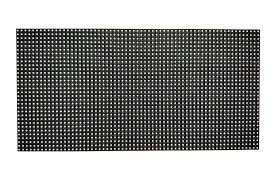
LED LCD (Light Emitting Diode Liquid Crystal Display) technology integrates a liquid crystal display panel with an LED backlight source. Unlike traditional CCFL (Cold Cathode Fluorescent Lamp) backlighting, LEDs provide superior brightness control, longer lifespan, and lower power consumption. The screen works by modulating light through liquid crystal pixels, with LEDs supplying uniform and efficient backlighting.
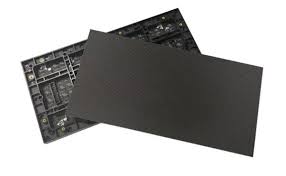
Key technical parameters include:
- Brightness: Typically ranging from 250 to 1000 cd/m² for indoor use, and up to 5000 cd/m² or higher for outdoor displays, ensuring high visibility in varied lighting environments (IEC 62341-1 standard compliance).
- Contrast Ratio: Modern LEDs in LCDs achieve contrast ratios from 1000:1 to above 5000:1, critical for color depth and image clarity.
- Response Time: High-quality panels offer response times below 8 ms, minimizing motion blur.
- Color Gamut: Wide color gamut coverage (sRGB 100% and up to 90% Adobe RGB) enhances image vibrancy and accuracy.
Manufacturing Process Innovations
The manufacture of LED LCD screens involves precise integration of multiple components, including the TFT (Thin-Film Transistor) array, liquid crystals, polarizers, and the LED backlight system. Recent advancements have emphasized mini-LED and micro-LED backlight arrays, which improve local dimming capabilities and contrast ratios significantly.
- Mini-LED Backlighting: With thousands of tiny LEDs as backlight sources, mini-LED promotes deeper blacks and energy savings, as shown in the latest Apple Pro Display XDR and other professional monitors.
- Quantum Dot Enhancement Films (QDEF): Integration of QDEF can boost color accuracy and brightness by enhancing backlight wavelength conversion.
- Polarizer Technology: Enhanced polarizers reduce glare and increase light utilization efficiency, contributing to higher contrast ratios.
Quality Control and Industry Standards
Strict quality controls are essential to ensure defect-free LED LCD screens. Engineers utilize optical and electrical testing protocols dictated by international standards such as ISO 9241-307 for visual ergonomics and IEC 60598 for safety.
- Uniformity Testing: Ensures consistent luminance and color distribution across the display, preventing “hot spots” or color shifts.
- Lifetime Testing: Accelerated aging tests project operational lifespan, often 50,000 hours or more for LED backlights.
- EMC (Electromagnetic Compatibility): Compliance ensures screens operate without electromagnetic interference, aligning with CISPR 32 standards.
Applications and Market Trends
LED LCD screens are ubiquitous, powering devices from smartphones and laptops to high-end industrial monitors and digital signage. The trend towards ultra-high-definition (UHD) and 4K resolution pushes the envelope on pixel density and backlight precision. Furthermore, the adoption of HDR (High Dynamic Range) elevates image quality through expanded brightness and color range.
Manufacturers are also increasingly focusing on sustainability, utilizing lead-free solder, recyclable packaging, and energy-efficient components to meet global environmental regulations like RoHS and WEEE directives.
Conclusion
The manufacture of LED LCD screens is a complex blend of advanced technology, rigorous quality assurance, and market-driven innovation. Through continual improvements in LED backlighting, panel design, and materials, these displays deliver unparalleled performance across varied applications. Industry standards and testing protocols ensure reliability and user satisfaction, making LED LCD technology a cornerstone of modern visual interfaces.
Sources and further reading:
- IEC 62341-1: LED modules for general lighting - Safety requirements
- ISO 9241-307: Ergonomics of human-system interaction - Displays
- CISPR 32: Electromagnetic compatibility for multimedia equipment
- Semiconductor Industry Association: Trends in LED backlighting technologies
- Apple Pro Display XDR technical specifications and reviews













