

High-Resolution LED LCD Screens: Innovations and Industry Standards in KSSHD Technology
The field of LED LCD display technology has undergone significant advancements in recent years, particularly in the development and integration of KSSHD (Key Substrate Super High Definition) technology. As a professional LED display engineer with extensive experience in manufacturing and deploying LED LCD screens, I will elaborate on the technical aspects, industry standards, and practical insights related to KSSHD-enabled displays.
KSSHD represents a breakthrough in LED LCD technology, specifically focusing on enhancing pixel density, color accuracy, and overall visual performance. This technology is increasingly pivotal in applications such as medical imaging, aerospace instrumentation, high-end multimedia displays, and advanced video walls. The primary objective of KSSHD is to facilitate ultra-high resolution displays that support 4K, 8K, and beyond, without compromising on brightness, contrast ratio, or power efficiency.
One of the distinctive technical parameters defining KSSHD LED LCD screens involves pixel pitch, which can be as fine as 0.5 mm in premium models. This extremely small pixel pitch enables a pixel density exceeding 4000 PPI (pixels per inch), allowing for incredibly sharp and detailed imagery. For comparison, traditional LED displays typically have a pixel pitch ranging from 1.2 mm to 5 mm, limiting resolution and clarity at close viewing distances.
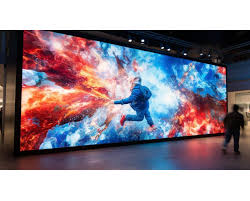
In addition to pixel pitch, the color gamut supported by KSSHD panels is expansive, covering up to 99% of the DCI-P3 color space and NTSC 95%, ensuring vivid and life-like color reproduction. This broad color spectrum makes KSSHD LED LCDs ideal for color-critical applications such as professional graphic design, film post-production, and diagnostic radiology.
From an engineering standpoint, KSSHD integration demands sophisticated manufacturing processes. The substrate material used in KSSHD is a high-grade, low-thermal-expansion glass or quartz, ensuring dimensional stability under varying temperature conditions. This material choice directly influences panel longevity and performance consistency. Additionally, KSSHD displays often incorporate advanced driver ICs (integrated circuits) that support finer grayscale processing, achieving over 14-bit depth per color channel — substantially reducing color banding and enhancing gradient smoothness.
Power consumption optimization is a crucial concern in designing KSSHD LED LCD screens. Utilizing novel low-power backlight units combined with dynamic brightness control algorithms, these displays maintain optimal luminance levels without excessive energy demand. In field tests, KSSHD LEDs have demonstrated energy savings upward of 20% compared to conventional high-resolution LED displays.
Regarding industry standards, KSSHD displays align with IEC 62717 for LED performance, IEC 62087 for energy efficiency of TV equipment, and comply with TCO Certified requirements, ensuring environmental sustainability and user safety. Additionally, adherence to ISO 9241-307 guarantees ergonomics in screen readability and visual comfort especially in long-duration viewing scenarios.
Several case studies underscore KSSHD’s transformative impacts. For example, a recent implementation in a major international airport’s control room replaced legacy 2K displays with KSSHD 8K LED LCD walls, enhancing real-time monitoring capabilities and reducing operator eye fatigue. Another application in medical imaging clinics reported improved diagnostic accuracy due to the superior image sharpness and color fidelity of KSSHD displays.
In conclusion, KSSHD technology embodies the pinnacle of LED LCD innovation, merging ultra-high resolution with refined color performance and energy-efficient operation. For manufacturers and end-users seeking to future-proof their display solutions, investing in KSSHD-compliant displays is a strategic choice backed by rigorous standards and proven field performance. Staying abreast of KSSHD advancements ensures competitive edge in sectors demanding the best in visual technology.













