

Advanced Techniques and Engineering Practices in LED LCD Screen Manufacturing
The manufacturing of LED LCD screens stands at the forefront of display technology, combining cutting-edge engineering principles, rigorous quality control standards, and innovative material science. As the demand for high-performance, durable, and visually superior displays increases worldwide, it is crucial to understand the advanced techniques and engineering practices that underpin the production of these sophisticated devices.
Key Components and Materials
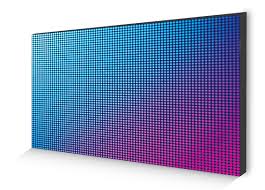
An LED LCD (Light Emitting Diode Liquid Crystal Display) combines an LED backlight system with an LCD panel, enhancing brightness, contrast ratio, and energy efficiency. Critical components include the TFT (Thin Film Transistor) array, polarizers, liquid crystals, color filters, and LED backlighting units. The TFT layer facilitates pixel-level control crucial for high-resolution displays, commonly available in resolutions ranging from Full HD (1920×1080) to 8K UHD (7680×4320).
The LED backlighting employs densely packed, precisely calibrated diodes. Industry best practices dictate the use of LEDs with a correlated color temperature (CCT) typically between 5000K and 6500K to match daylight, which ensures natural color reproduction. Additionally, LEDs with high Color Rendering Index (CRI) values above 90 are preferred to preserve color accuracy across the visible spectrum.
Manufacturing Process and Quality Controls
Manufacturing begins with substrate preparation where ultra-clean glass substrates receive layers of indium tin oxide (ITO) and amorphous silicon, forming the TFT matrix via photolithography. Cleanroom standards of ISO 5 (Class 100) or better are maintained to prevent particle contamination, which can cause pixel defects.
Following TFT array formation, liquid crystals of precise viscosity and birefringence are injected into the cell under vacuum to avoid air bubbles. The optimal cell gap, typically 3 to 6 micrometers, is maintained to balance response time and viewing angle.
LED backlight assembly involves mounting LEDs on multilayer PCBs with thermal management systems such as aluminum heat sinks or heat pipes to dissipate heat effectively, preserving the lifespan and luminance stability of the LEDs. The uniformity of backlighting is ensured through light-guide plates (LGPs) designed with micro-lens arrays and diffusion films, achieving luminance uniformity greater than 90%, as per industry metrics.
Technical Parameters and Performance Metrics
Advanced LED LCD screens boast high contrast ratios exceeding 5000:1, refresh rates ranging from 60Hz to 240Hz for gaming displays, and response times under 5 milliseconds to reduce motion blur. The viewing angle often reaches 178° both horizontally and vertically, supported by In-Plane Switching (IPS) technology.
Power consumption is optimized via LED dimming controls and local dimming zones, with power efficiencies reaching 100–150 lm/W (lumens per watt). Thermal simulations and accelerated life testing ensure a product lifespan of 50,000 to 100,000 hours under typical operating conditions.
Industry Standards and Sustainability Considerations
ISO 9241-307 defines ergonomic requirements for electronic visual displays that manufacturers adhere to, ensuring viewer comfort and reduced eye strain. The RoHS (Restriction of Hazardous Substances) and REACH regulations are fundamental in controlling the use of toxic materials in screen components, promoting environmentally conscious manufacturing.
Sustainability is increasingly vital, with manufacturers adopting recyclable materials and energy-efficient manufacturing equipment to reduce carbon footprints. Lifecycle assessments (LCA) guide the selection of components and packaging materials to ensure that LED LCD screens are both high-performance and eco-friendly.
Case Studies and Future Directions
Recent case studies highlight the shift toward mini-LED and micro-LED backlighting solutions. These technologies enable finer local dimming control with thousands of dimming zones, drastically improving HDR performance and contrast ratios. For instance, leading manufacturers employing mini-LED techniques have achieved peak brightness levels of up to 2000 nits, catering to high-end television and professional monitor markets.
Moreover, advancements in quantum dot enhancement films (QDEF) further refine color gamut capabilities, allowing LED LCD screens to cover up to 99% of the Adobe RGB color space. Research continues into flexible and transparent LED LCD panels, promising new form factors and applications such as wearable displays and transparent windows with integrated digital features.
Conclusion
Manufacturing LED LCD screens demands a sophisticated interplay of material science, precision engineering, and rigorous standardization. The ongoing innovations in LED technology, pixel control, and sustainable practices will continue to elevate the capabilities of LED LCD displays, meeting the evolving needs of diverse global markets. Industry professionals must continuously adapt to emerging trends, regulatory environments, and technological breakthroughs to maintain competitive and environmentally responsible production lines.
By adhering to international standards, optimizing technical parameters, and embracing sustainability, the LED LCD manufacturing industry ensures not only superior display quality but also long-term viability and consumer safety.













