

LED Taxi Display Technology and Its Impact on Urban Transportation
In the evolving landscape of urban transportation, LED taxi displays have emerged as a pivotal technology, enhancing communication between taxi drivers and passengers while improving city-wide traffic management. As LED (Light Emitting Diode) technology advances, these displays offer durable, bright, and energy-efficient signage solutions specifically tailored for taxi cabs. This article explores the technical aspects, practical benefits, and industry standards associated with LED taxi displays, underlining their growing importance in modern smart city infrastructures.
Technical Parameters and Design Considerations
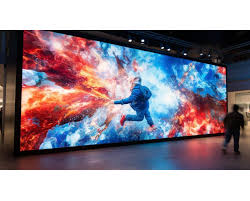
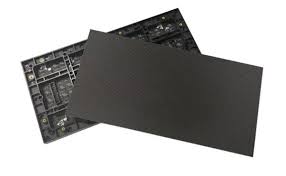
LED taxi displays typically incorporate high-brightness SMD LEDs (Surface Mount Device), with brightness levels ranging from 5,000 to 10,000 nits to maintain legibility under direct sunlight and various weather conditions. Pixel pitch—the distance between individual LED pixels—is a critical design factor, usually ranging from 2.5 mm to 10 mm, balancing resolution and cost for the limited screen size (often around 10 to 20 inches diagonal).
The display modules are designed for rugged environments, meeting at least IP65 standards for water and dust resistance. Materials such as high-grade ABS plastics and aluminum alloy frames ensure durability against vibration and temperature variations typical in taxi operations. Power consumption is optimized through automatic brightness adjustment sensors, extending both the vehicle’s battery life and the LED module’s lifespan, commonly exceeding 100,000 hours under rated conditions.
Integration and Functionalities
Modern LED taxi displays are integrated with GPS modules, enabling dynamic content delivery such as destination updates, fare information, and real-time traffic alerts. They support various communication protocols like UART, CANBus, or wireless interfaces (Bluetooth, Wi-Fi), allowing remote content management by dispatch centers and city authorities.
Moreover, taxi companies leverage programmable LED displays to advertise promotions, public announcements, or local events, creating a dual revenue stream while maintaining passenger engagement. Some advanced systems use AI-powered content algorithms to adjust messaging based on location, time, or passenger demographic, thereby increasing advertising effectiveness and relevance.
Industry Standards and Regulatory Compliance
Compliance with local transportation regulations and safety standards is vital. For example, in the United States, the Federal Communications Commission (FCC) mandates electromagnetic compatibility (EMC) testing to prevent interference with vehicle control systems. Additionally, many cities require taxi signage to include features such as emergency information and driver identification per ISO 39001 (Road Traffic Safety Management).
The adoption of LED displays aligns with the ISO 9241-307 standards concerning visual display ergonomics, ensuring text readability without causing driver distraction. Additionally, certain regions enforce maximum brightness limits at night to reduce glare, often implemented via automatic dimming controls.
Case Studies and Urban Impact
Cities like New York and London have pioneered extensive deployment of LED taxi displays, integrating them into their smart city frameworks. For example, New York City’s Taxi and Limousine Commission (TLC) mandated LED rooftop displays equipped with real-time service information and digital advertising content. This initiative led to improved passenger awareness and enhanced compliance with fare and safety regulations.
In London, LED taxi displays have been synchronized with the city’s congestion charging system, providing drivers and passengers timely pricing and route optimization notifications. This integration resulted in better traffic flow and reduced urban emissions, showcasing the environmental benefits of intelligent LED signage.
Future Trends and Innovations
The future of LED taxi displays is poised for further technological integration, including IoT connectivity, augmented reality (AR) overlays inside cab compartments, and bidirectional communication features allowing passengers to interact directly with city services or payment systems through the display.
Advancements in micro-LED technology promise even higher resolution displays with lower power consumption, while flexible LED panels could enable innovative installation possibilities on curved or irregular taxi surfaces.
Conclusion
LED taxi displays represent a crucial convergence of lighting technology, urban mobility, and smart city innovation. Their robustness, visibility under all conditions, programmable nature, and integration capabilities make them indispensable for modern urban taxis. By enhancing passenger communication, facilitating traffic management, and providing advertising opportunities, LED taxi displays significantly contribute to the efficiency and sustainability of urban transportation.
Adhering to rigorous standards and leveraging cutting-edge LED technology, these displays ensure safety and operational reliability. As global cities continue to expand and prioritize smart infrastructure, LED taxi displays will remain a vital element of the urban transport ecosystem.
References:
- Illuminating Engineering Society (IES) Standards for LED Lighting.
- ISO 39001 Road Traffic Safety Management.
- FCC EMC Compliance Guidelines.
- New York City Taxi and Limousine Commission (TLC) Official Reports.
- "Advances in LED Technology," Journal of Display Technology, IEEE, 2023.













