

Advanced Techniques and Quality Standards in LED LCD Screen Manufacturing
The evolution of LED LCD screen manufacturing has revolutionized display technology, offering unprecedented clarity, brightness, and energy efficiency. As a professional LED display engineer with extensive expertise in this domain, I will provide an authoritative insight into the manufacturing processes, technical parameters, industry standards, and quality assurance protocols essential for producing high-performance LED LCD screens adopted worldwide.
Fundamental Overview of LED LCD Technology
LED LCD screens combine liquid crystal display (LCD) technology with light-emitting diode (LED) backlighting to produce vibrant, energy-efficient displays. Unlike traditional CCFL (cold cathode fluorescent lamp) backlights, LED backlighting enhances color saturation and improves brightness uniformity. Critical technical specifications include pixel pitch, contrast ratio, color gamut, response time, and luminance, which must be carefully controlled during manufacture.
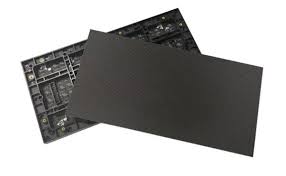
Key Technical Parameters:
- Pixel Pitch: Determines resolution and is typically measured in millimeters. For ultra-high-definition panels, pixel pitch ranges from 0.7mm to 1.5mm for indoor applications, optimizing image sharpness.
- Luminance (Brightness): Measured in nits (cd/m²), typical LED LCD monitors offer brightness from 300 nits (standard office monitors) to over 1000 nits for outdoor and professional-grade displays.
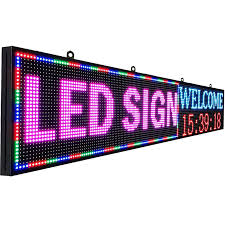
- Contrast Ratio: Higher contrast ratios, often over 1000:1, improve depth and clarity of images, critical for applications in medical imaging and professional cinema.
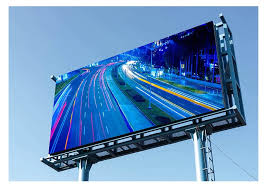
- Color Gamut: Coverage of color spaces such as sRGB, Adobe RGB, and DCI-P3 is a vital specification. Premium displays offer upwards of 99% sRGB and 90% Adobe RGB color accuracy, ensuring faithful color reproduction.
- Response Time: Low response times below 5ms minimize motion blur and enhance viewing quality, essential in gaming and broadcasting sectors.
Manufacturing Process Insights
High-quality LED LCD manufacturing follows precise procedures starting from substrate preparation, thin-film transistor (TFT) array fabrication, color filter application, to backlight assembly. The TFT layer, typically composed of amorphous silicon or oxide semiconductors, controls the liquid crystal pixels’ alignment with high precision. Advanced cleanroom environments (ISO Class 5 or better) are mandatory to prevent particle contamination that can cause dead pixels or defects.
The backlight unit (BLU) assembly employs high-efficiency LED chips arranged in specific patterns to deliver uniform lighting. Using COB (Chip-On-Board) technology improves thermal management and reduces LED density irregularities. Optical films such as diffusers, prisms, and polarization layers are meticulously layered to optimize light distribution and minimize energy consumption.
Industry Standards and Certifications
Compliance with international standards guarantees product safety, performance, and environmental friendliness. Notable standards include:
- IEC 62368-1 for safety requirements of audio/video and information technology equipment.
- ISO 9241-307 which addresses pixel defect classifications and inspection methods for flat-panel displays.
- RoHS (Restriction of Hazardous Substances Directive) ensures materials are free from harmful substances like lead and mercury.
- Energy Star Certification emphasizes energy efficiency parameters crucial for sustainable manufacturing.
Quality Control Measures and Testing Parameters
LED LCD screens undergo comprehensive quality assurance procedures:
- Pixel Defect Inspection: Automated optical inspection systems detect sub-pixel anomalies as per ISO 9241-307 class II or better standards.
- Uniformity Tests: Luminance and color uniformity are measured using spectroradiometers and luminance meters ensuring non-uniformity remains below 10% across display surface.
- Environmental Stress Testing: High temperature, humidity, and vibration tests simulate operational conditions to assess durability and reliability per IEC 60068.
- EMC (Electromagnetic Compatibility) Testing: Ensures devices do not emit harmful electromagnetic interference affecting other electronics.
Case Studies and Industry Applications
Leading manufacturers like Samsung Display, LG Display, and BOE have refined LED LCD technologies to meet diverse global needs. For example, LG’s IPS technology offers superior wide-angle viewing for medical and professional monitors, adhering to DICOM standards for diagnostic imaging. Samsung’s quantum-dot-enhanced LED LCDs improve color output for broadcast and cinema markets fulfilling Rec. 2020 color gamut requirements.
In outdoor digital signage, manufacturers deploy LED LCDs with enhanced luminance (above 2000 nits) and high ingress protection ratings (IP65 or higher) to withstand harsh environments while maintaining consistent visual performance. Additionally, innovations like mini-LED and micro-LED backlighting push the boundaries further, delivering finer local dimming and higher contrast ratios.
Conclusion
The manufacturing of LED LCD screens is a sophisticated process that requires strict adherence to technical parameters, quality controls, and industry standards. By integrating advanced materials, precision assembly, and rigorous testing, manufacturers produce LED LCD displays that meet demanding application requirements globally. Continuous innovation in backlighting technologies and material science will further enhance the performance, energy efficiency, and lifespan of next-generation LED LCD screens.
References:
- International Electrotechnical Commission (IEC) Standards — IEC 62368-1, IEC 60068
- ISO 9241-307:2017 Ergonomics of human-system interaction
- Energy Star Program Requirements for Displays
- Samsung Display, LG Display Product White Papers
- "LED Backlighting for Liquid Crystal Displays" by Charles P. V. Haag, SID Symposium Digest of Technical Papers













