

Advancing User Engagement with LED Interactive Displays in Modern Environments
In recent years, LED interactive displays have revolutionized the way businesses, educational institutions, and public venues engage with their audiences. These dynamic screens combine the vibrant visual performance of LED technology with touch-responsive interfaces, creating an immersive experience that captivates users and enhances communication.
The core advantage of LED interactive displays lies in their superior brightness and color accuracy. Unlike traditional LCD screens, LED displays leverage light-emitting diodes that offer higher luminosity, enabling clear visibility even under direct sunlight. This is critical for outdoor installations such as digital kiosks, advertising billboards, and wayfinding systems in bustling urban spaces. Industry-standard parameters for these displays typically include brightness levels exceeding 1,000 nits, contrast ratios above 3,000:1, and color gamuts conforming to Rec. 709 or Adobe RGB, ensuring true-to-life imagery.
Interactivity in LED displays is generally facilitated by capacitive or infrared touch technologies, both capable of supporting multi-touch inputs for seamless gesture control. Capacitive touch, favored for its precision and durability, can detect multiple points of contact simultaneously, allowing users to pinch, zoom, or swipe content intuitively. Infrared touch systems, on the other hand, are robust in various lighting conditions and can operate with gloves or styluses, extending their application range.
One emerging application is in retail environments, where LED interactive displays serve as digital product catalogs or self-service stations. By integrating software capable of real-time analytics, retailers can monitor user interactions to optimize product placement and marketing strategies. Furthermore, these displays contribute to reducing paper waste and promoting sustainability, aligning with global environmental goals.
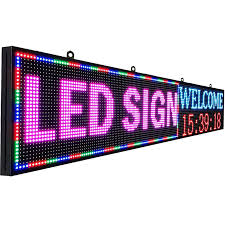
Educational settings have equally embraced LED interactive solutions. Large-format LED boards replace traditional whiteboards, offering vivid display with minimal glare and enhanced durability. Educators can leverage these touch-enabled displays to run interactive lessons, incorporate multimedia content, and facilitate collaborative learning activities. According to research by the International Society for Technology in Education (ISTE), classrooms equipped with interactive displays exhibit a significant increase in student engagement and information retention.
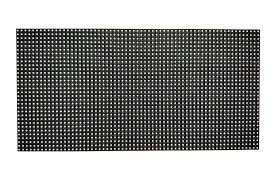
From a manufacturing perspective, producing LED interactive displays requires precise alignment of optical layers, touch sensor integration, and rigorous quality assessments. Adhering to protocols such as the ISO 9241-303 standard for touchscreen devices ensures ergonomic and accessibility considerations are met. Additionally, manufacturers often implement automated inspection techniques, including AOI (Automated Optical Inspection) and TDR (Time Domain Reflectometry), to detect defects in circuitry and ensure consistent performance.
Power efficiency is another critical factor. Advanced LED displays employ energy-saving drivers and adaptive dimming capabilities, which adjust brightness based on ambient light. This not only extends the operational lifespan of the display but also reduces energy consumption, an important consideration given global efforts toward sustainability.
Installation flexibility is enhanced by modular design, allowing custom configurations ranging from small kiosks to large video walls. The scalability of LED interactive displays facilitates their adoption across diverse sectors, including corporate meeting rooms, transportation hubs, museums, and healthcare facilities.
In conclusion, LED interactive displays represent a convergence of cutting-edge visual technology and intuitive user interaction. Their impressive technical specifications, versatile applications, and user-centric design underscore their growing ubiquity in digital communication landscapes worldwide. As the technology continues to evolve, we can anticipate even more engaging, responsive, and energy-efficient solutions that redefine how information is presented and experienced.













