

Open Frame Display Technology: Applications, Specifications, and Manufacturing Insights
Open frame display technology plays a crucial role in modern industrial, medical, and commercial applications where durability, flexibility, and integration capabilities are paramount. As a professional LED display engineer with extensive expertise in LED and LCD screen manufacturing, I will provide a comprehensive overview of open frame displays, focusing on their construction, technical parameters, use cases, and manufacturing considerations.
Understanding Open Frame Displays
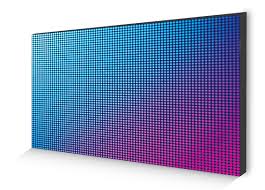
Open frame displays are specialized LCD or LED panels designed without an enclosed outer casing, enabling easy integration into various equipment and kiosks. Their minimalist framework allows OEMs and system integrators to mount these displays directly onto their hardware, ensuring compact installation and seamless connectivity.
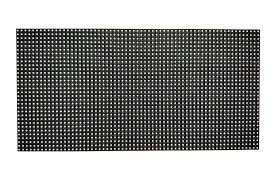
Unlike typical consumer monitors, open frame displays emphasize robustness, thermal management, and compatibility with rugged environments. Their modular design supports quick replacement and maintenance, vital for industries with continuous operation demands.
Key Technical Parameters
When selecting or manufacturing an open frame display, several technical aspects require careful attention:
- Display Type: TFT-LCD and LED-backlit LCDs dominate the market. TFT technology enhances color accuracy and viewing angles, whereas LED backlights improve brightness and energy efficiency. For high-end industrial applications, IPS panels with wide viewing angles (up to 178° horizontal and vertical) are common.
- Resolution: Standard resolutions range from WXGA (1280x800) to Full HD (1920x1080), with some bespoke solutions offering QHD or 4K for detailed graphical interfaces. Pixel pitches vary accordingly; smaller pitches (~0.21mm) for high-resolution visualizations and larger ones for cost-effective options.
- Brightness and Contrast: Open frame displays often run in environments with variable lighting, requiring brightness levels typically between 400 to 1000 nits. Contrast ratios favor values above 1000:1 to ensure image clarity, particularly in medical or military industries.
- Touchscreen Integration: Capacitive or resistive touch panels are integrated into open frame units based on application needs. Capacitive touchscreens provide robust multi-touch functionality with high sensitivity, while resistive touchscreens offer durability under harsh conditions and usage with gloves.
- Input Interfaces: Compatibility with various video interfaces such as HDMI, DisplayPort, VGA, and embedded LVDS is essential. Open frame displays often support industrial input standards like eDP (embedded DisplayPort) and Serial RGB for seamless integration into custom PCBs.
- Operating Temperature and Durability: Industrial-grade open frame displays support operating temperatures from -20°C to 70°C, with conformal coatings and shock-resistant designs meeting military standards (MIL-STD-810G) for vibration and moisture.
Manufacturing Considerations
Producing high-quality open frame displays requires adherence to strict industry standards and quality management systems such as ISO 9001:2015 and IPC-A-610 for electronic assemblies. Tight control of cleanroom environments during LCD module assembly prevents dust contamination, a critical factor in maintaining pixel integrity.
Backlight modules utilize LED arrays with consistent luminance distribution, achieved through optical films like diffusers and brightness enhancement films (BEF), ensuring uniform lighting without hotspots. Thermal management is addressed through metal backplates or aluminum frames that dissipate heat efficiently, prolonging lifespan and stability.
Precision in bonding touch panels, applying anti-reflective coatings, and performing fully automated optical inspections guarantees defect-free outputs. Moreover, embedded firmware calibration aligns display gamma curves and color temperatures to meet customer-specific requirements.
Applications and Case Studies
Open frame displays find widespread use across multiple sectors:
- Industrial Automation: PLC panels and HMI interfaces rely on open frame displays for real-time monitoring under extreme environments; for example, Siemens’ factory automation lines extensively use 15- to 21-inch open frame monitors with emergency stop integration.
- Medical Devices: Diagnostic visualizations in ultrasound and patient monitoring systems demand high brightness and color accuracy. Companies like Philips incorporate open frame LCDs with 500 nits brightness and IP65-rated front bezels for sanitation.
- Kiosk and Vending Solutions: Retail interactive kiosks benefit from the customizable size and mounting flexibility of open frame displays, enabling branded enclosures with direct integration of capacitive touchscreens.
- Military and Aerospace: Ruggedized open frame displays certified to MIL-STD requirements allow cockpit and control room use, supporting sunlight readability and EMI shielding.
Future Trends and Innovations
Emerging developments include replacing traditional LED backlights with microLED or OLED open frame displays, offering superior contrast and thinner profiles. Enhanced touch technology integrations, such as force sensing and in-cell touch, further improve user experiences.
Connectivity is evolving with embedded wireless modules and CAN bus compatibility, expanding capabilities in IoT industrial environments. Manufacturing is also shifting towards more sustainable materials and RoHS-compliant processes, aligning with global environmental directives.
Conclusion
Open frame displays serve as a backbone for multiple industrial and commercial technologies by offering adaptable, reliable, and high-performance visual solutions. Understanding their technical specifications, integration challenges, and manufacturing intricacies is vital to leverage their full potential. Adhering to industry standards and applying precise engineering practices ensures these displays meet the demanding requirements of today’s technological landscape.
References:
- IEC 62368-1: Audio/video, information and communication technology equipment - Safety requirements
- MIL-STD-810G: Environmental Engineering Considerations and Laboratory Tests
- IPC-A-610: Acceptability of Electronic Assemblies
- DisplaySearch and IHS Markit, Global Flat Panel Display Market Reports (2023)
- Philips Healthcare Technical Specifications and User Manuals













