

Advanced LED Display Technologies: Practical Applications, Advantages, Challenges, and Emerging Trends
The rapid advancement of LED display technology has revolutionized visual communication across multiple industries worldwide. As a professional LED display engineer with extensive experience in manufacturing and integration, I aim to provide an authoritative analysis of key aspects of LED displays—including their practical applications, inherent advantages, common challenges, and the latest emerging trends shaping the industry.
Practical Applications of LED Displays
LED (Light Emitting Diode) displays are widely utilized in various environments due to their superior brightness, color accuracy, and versatility. Some prominent application sectors include:
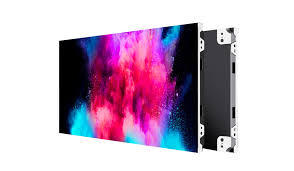
- Outdoor Advertising and Digital Billboards: High brightness levels (often exceeding 5,000 nits) and excellent weather resistance make LED displays the preferred choice for large-format outdoor signage. Models built to IP65 or higher standards ensure durability against dust and water ingress.
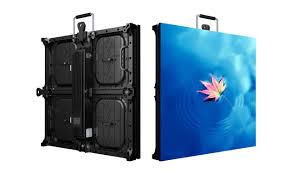
- Sports Arenas and Events: Dynamic, high-refresh-rate LED screens (120 Hz or higher) provide smooth motion rendering crucial for live sports broadcasts and real-time information displays.
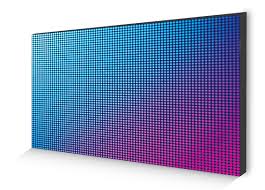
- Retail and Shopping Malls: Transparent and curved LED screens enhance storefront visibility while integrating seamlessly with architectural aesthetics.
- Control Rooms and Command Centers: Ultra-high resolution LED video walls offer enhanced situational awareness with fine pixel pitches below 1.2mm, providing razor-sharp imagery necessary for critical operations.
- Transportation Hubs: LED panels guide travelers via clear, readable informational signage under varying lighting conditions.
Advantages of LED Display Technology
LED displays boast several advantages that contribute to their pervasive adoption:
- High Brightness and Contrast: LEDs can achieve brightness levels ranging from 1,000 to over 12,000 nits, significantly outperforming traditional LCDs, enabling clear visibility even under direct sunlight.
- Energy Efficiency and Longevity: Utilizing semiconductor material, LEDs consume less power than fluorescent or incandescent counterparts, with average lifespan exceeding 100,000 hours, minimizing maintenance costs.
- Wide Viewing Angles: Modern LED modules support viewing angles beyond 160°, maintaining color fidelity and image quality across a broad audience range.
- Modularity and Scalability: LED panels feature a modular design, simplifying installation and maintenance while enabling flexible scalability from small indoor setups to massive outdoor arrays.
- Color Accuracy and HDR Compatibility: High dynamic range implementations in LED displays deliver vibrant colors and deeper black levels, enhancing overall visual experience.
Common Challenges and Solutions
Despite their benefits, LED displays face several common challenges during deployment and operation:
- Pixel Pitch vs. Viewing Distance: Selecting an appropriate pixel pitch is fundamental, as smaller pitches (<1.5mm) target close-range viewing, demanding higher manufacturing precision and infrastructure costs. Engineers must balance resolution with budget and viewing environment.
- Thermal Management: LEDs generate heat, which, if unmanaged, impacts longevity and performance. Advanced heat dissipation techniques, including aluminum heat sinks and active cooling systems, are vital.
- Color Uniformity and Calibration: Over time, LEDs may exhibit color drift due to aging or environmental factors. Regular calibration and use of proprietary control software ensure consistent color reproduction.
- Environmental Resilience: Outdoor installations require robust IP-rated enclosures and anti-corrosion materials to withstand extreme weather conditions.
- Electromagnetic Interference (EMI): LED systems must comply with standards such as FCC Part 15 or CISPR 22 to avoid interference with communication devices.
Emerging Trends in LED Display Technology
The industry continues to evolve with several new trends improving performance, user experience, and applications:
- Mini-LED and Micro-LED: Mini-LED technology improves contrast and local dimming in backlit LCDs, while Micro-LED presents true self-emissive pixels at sub-100-micron sizes, offering higher pixel densities and energy efficiency. Industry leaders like Samsung and Sony are pioneering commercial micro-LED displays.
- Flexible and Transparent LED Displays: Innovations in substrate materials enable bendable and see-through displays, unlocking novel design possibilities in automotive, retail glass facades, and wearable tech.
- AI-Driven Calibration and Content Management: Integration of AI algorithms optimizes real-time color correction, brightness adaptation, and predictive maintenance, significantly enhancing operational efficiency.
- Higher Refresh Rates and Low Latency: To serve gaming, VR, and AR markets, LED displays now achieve refresh rates above 240 Hz and ultra-low latency, delivering immersive experiences.
- Sustainable Manufacturing Practices: The LED industry is placing emphasis on eco-friendly materials, recyclable components, and energy-efficient production processes aligned with international standards such as RoHS and REACH.
Technical Parameters and Industry Standards
Understanding critical technical specifications helps stakeholders select the right LED technology for their project:
- Pixel Pitch: Typically ranges from 0.7 mm (fine-pitch indoor) to 20 mm+ (large outdoor screens). Smaller pixel pitch delivers higher resolution at closer viewing distances.
- Brightness: Measured in nits (cd/m²). Indoor displays usually require 800-1,200 nits; outdoor displays demand 5,000 nits or higher.
- Refresh Rate: Minimum 60 Hz recommended; high-end applications utilize 120 Hz or more to ensure fluid motion rendering.
- Color Gamut: Modern LED displays cover DCI-P3 or Adobe RGB color spaces to support wide color reproduction.
- Ingress Protection (IP) Rating: Outdoor LED cabinets commonly require IP65 or better to guard against dust and water.
The evolution of LED display technology marks a significant milestone in the visualization domain by combining unparalleled image quality, energy efficiency, and versatility. Industry professionals must balance technical parameters with environmental considerations and user requirements to optimize the deployment of LED displays effectively. Staying abreast of emerging trends and adhering to industry standards ensures that LED displays continue to fulfill expanding roles across commercial, industrial, and entertainment sectors.
References:
1. International Electrotechnical Commission (IEC) standards for LED display testing.
2. Society for Information Display (SID) technical papers on LED and micro-LED technology.
3. LED Industry Association reports on market trends and sustainability.
4. Manufacturer datasheets from top LED suppliers like Cree, Samsung, and Nichia.













