

Advances and Practical Insights in LED LCD Screen Manufacturing for Global Applications
The evolution of display technologies has profoundly influenced industries ranging from consumer electronics to large-scale digital signage. Among these, LED LCD screens remain pivotal, balancing performance, efficiency, and cost-effectiveness. With a comprehensive understanding of manufacturing practices and technical parameters, this article explores the practical applications, inherent advantages, common challenges, and emerging trends in LED LCD screen production, providing valuable insights for engineers, manufacturers, and end-users globally.
Fundamental Technical Parameters and Manufacturing Processes
LED LCD screens combine liquid crystal display technology with LED (Light Emitting Diode) backlighting, enhancing brightness, contrast ratio, and energy efficiency compared to traditional CCFL (Cold Cathode Fluorescent Lamp) backlit LCDs. Key parameters influencing quality include:
- Resolution and Pixel Density (PPI): High-definition consumer products typically range from 1920x1080 (Full HD) to 3840x2160 (4K UHD), with pixel densities from 100 to over 400 PPI, influencing image sharpness and clarity. Industrial-grade displays may prioritize size and visibility over extreme pixel density.
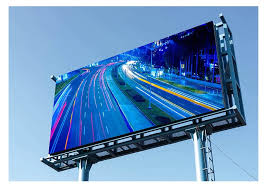
- Brightness (cd/m²): LED backlighting supports brightness levels from 300 cd/m² in indoor displays to over 1000 cd/m² for outdoor or daylight-readable screens. Achieving uniform brightness across the panel requires precise LED array design and quality diffusers.
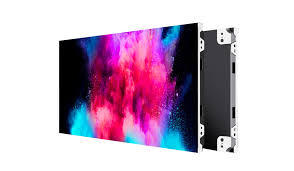
- Contrast Ratio: Enhanced by advanced LED dimming techniques like local dimming, enabling contrast ratios surpassing 5000:1, essential for vibrant and dynamic image reproduction in control rooms and entertainment applications.
- Color Gamut and Accuracy: Adherence to standards such as sRGB, AdobeRGB, or DCI-P3 is critical. Calibration during manufacturing ensures color fidelity, particularly important in professional content creation and medical displays.
Manufacturing involves complex stages including substrate preparation, liquid crystal module assembly, LED backlight integration, and final calibration/testing. Industry standards like JEITA ED-4701 for LCD reliability and ISO 13485 for medical device displays provide frameworks ensuring product consistency and safety.
Practical Applications Across Industries
LED LCD screens are ubiquitous, serving diverse functional roles:
- Consumer Electronics: Smartphones, tablets, and televisions benefit from LED LCD technology’s balance of cost and visual performance. The integration of quantum dot enhancement layers (QDEF) has become a norm to boost color gamut further.
- Automotive Displays: Cluster panels and infotainment systems utilize LED LCDs for their durability and responsiveness under varied lighting and vibration conditions. Compliance with automotive-grade standards such as AEC-Q100 ensures reliability.
- Industrial and Medical Displays: Robustness against environmental factors like dust and temperature is ensured through specialized coatings and enclosure designs. High precision and stable color reproduction enable critical tasks such as diagnostics and monitoring.
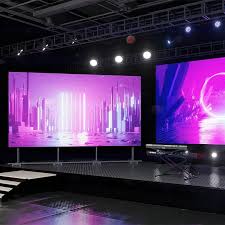
- Digital Signage and Outdoor Displays: High brightness and weather resistance become paramount, with manufacturers optimizing LED arrays to enhance visibility and lifespan under direct sunlight and harsh weather.
Advantages Realized in LED LCD Technologies
- Energy Efficiency: LED backlighting consumes up to 40% less power than traditional CCFL backlights, important for portable devices and large installations, contributing to lower operational costs and environmental impact.
- Improved Lifespan and Reliability: LEDs have longer lifespans (rated up to 50,000 hours), reducing maintenance requirements. Enhanced thermal management in manufacturing helps mitigate degradation caused by heat.
- Slim and Lightweight Designs: Integration of edge-lit LED backlights enables thinner panels, appealing to modern ultrabooks and slim monitors without compromising performance.
- Better Color and Contrast Management: The application of dynamic local dimming allows for adaptive backlight control, improving contrast ratio and reducing light bleed.
Common Challenges and Troubleshooting
Despite substantial advances, LED LCD screen manufacturers face several ongoing issues:
- Backlight Uniformity: Uneven LED distribution or diffuser layer imperfections cause hotspots or clouding. Solutions include simulation-driven design and precision assembly robots.
- Color Shift and Viewing Angle Restrictions: IPS (In-Plane Switching) and VA (Vertical Alignment) LCD panels address angular color shifts but raise manufacturing costs and complexity.
- Burn-in and Image Retention: While more associated with OLEDs, prolonged static images can cause temporary retention on certain LCDs due to liquid crystal suspension. Manufacturers mitigate these using screen savers and pixel-shifting technologies.
- Thermal Management: LEDs generate heat, and poorly designed modules can suffer brightness degradation and color shifts. Use of heat sinks, thermal interface materials, and active cooling is essential in large or high-brightness panels.
Emerging Trends Shaping the Future
- Mini-LED and Micro-LED Backlighting: Miniaturized LEDs (~100-200 microns) allow thousands of local dimming zones, vastly improving contrast and HDR performance. This hybridization leads to displays with OLED-like contrast but better longevity.
- Quantum Dot Enhancement: Quantum dots embedded into LED LCD stacks drive higher color purity and brightness, fast becoming standard for premium televisions and monitors.
- Flexible and Foldable LCD Designs: While OLED dominates here, research into flexible LCDs with LED backlights aims at rugged, bendable screens for industrial and military applications.
- Advanced AI-Enabled Calibration: Manufacturers increasingly deploy machine learning for real-time display calibration, optimizing brightness, uniformity, and color accuracy on production lines and in-field deployments.
Conclusion
The LED LCD screen manufacturing industry continues to innovate, driven by global demand for higher quality, greater efficiency, and versatile applications. By mastering critical production parameters, addressing known challenges, and embracing cutting-edge trends such as mini-LED and quantum dot technologies, manufacturers can deliver displays that push the boundaries of visual experience. Industry professionals must stay informed of evolving standards and technological advances to maintain competitiveness and meet the diverse needs of international markets.
Authoritative References:
- JEITA ED-4701: LCD Reliability Standard, Japan Electronics and Information Technology Industries Association, 2022.
- AEC-Q100 Automotive Qualification Standard, Automotive Electronics Council, 2023.
- Strategies in Display and Lighting Technologies, International Display Workshops, IEEE, 2023.
- "Advances in Mini-LED Backlighting for LCD Displays," SID Symposium Digest of Technical Papers, 2023.













