

Interactive LED Technology: Revolutionizing User Engagement and Display Solutions
In the evolving landscape of digital display technologies, Interactive LED systems have emerged as a transformative innovation, reshaping how users engage with screens in commercial, educational, and entertainment environments. Combining the vibrant visual capabilities of LED displays with responsive touch and gesture controls, Interactive LEDs offer a dynamic and immersive user experience that traditional displays cannot match. This article delves into the technical foundations, applications, and future potential of Interactive LED technology, providing an authoritative resource for professionals in the LED display industry and technology enthusiasts worldwide.
Technical Overview of Interactive LED Displays
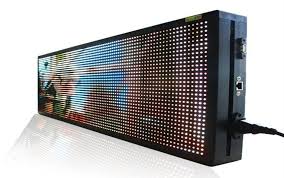
Interactive LED displays integrate Light Emitting Diode (LED) panels with advanced touch or motion sensing technologies. The core component, the LED panel, consists of millions of semiconductor diodes that emit light when electrically stimulated. These panels are known for their superior brightness—often exceeding 1,000 nits—high contrast ratios beyond 5,000:1, and expansive color gamut coverage (up to 130% of the NTSC standard). These metrics ensure vivid image reproduction even in high ambient light environments.
Interactive capabilities are typically enabled through infrared (IR) touch frames, capacitive touch sensors, or camera-based motion detection systems. IR touch frames use an array of IR LEDs and photodetectors to create an invisible grid over the display surface, detecting any object interrupting the beams with high accuracy and low latency. Capacitive touch technology, similar to that used in smartphones, allows multi-touch gestures and pressure sensitivity, enhancing user interaction fidelity. Camera-based systems utilize depth sensors or structured light projection to track hand gestures without physical contact, enabling touchless interaction.
Applications and Industry Impact
Interactive LED displays have broad applications across various sectors:
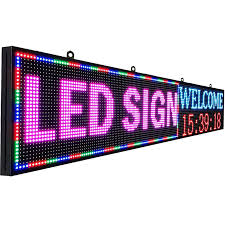
- Retail and Advertising: Digital signage with interactive features captivates customers, allowing them to explore product information, customize orders, or participate in promotions, thereby boosting engagement and conversion rates.
- Education and Training: Interactive LED panels serve as advanced whiteboards in classrooms and training centers, supporting collaborative learning through multi-user touch and digital annotations, integrating seamlessly with educational software platforms.
- Corporate Environments: Conferencing rooms employ interactive LED displays for dynamic presentations, real-time brainstorming, and content sharing, improving meeting productivity.
- Entertainment and Public Venues: Interactive LED walls and floors in museums, exhibitions, and theme parks provide immersive experiences by responding to visitors’ movements, creating an engaging environment.
A notable case study is the installation of interactive LED walls in London's Heathrow Airport, where travelers access flight information and services through gesture-based navigation, significantly enhancing user convenience and reducing staff workload. Studies have shown up to a 30% increase in user interaction time when using interactive LED displays compared to conventional screens (DisplaySearch, 2022).
Technical Parameters and Design Considerations
Designing an Interactive LED system requires balancing several parameters:
- Pixel Pitch: Narrow pixel pitch (≤1.5mm) is crucial for close-viewing applications to maintain image clarity and detail. For large public displays, a pixel pitch of 2.5mm to 4mm balances cost and resolution.
- Brightness and Contrast: High brightness ensures visibility in varied lighting conditions. Contrast ratios above 5,000:1 enable deep blacks and vivid colors, important for text legibility and image quality.
- Response Time and Latency: Interactive displays must offer minimal response times (<10ms) and low input latency (<20ms) to ensure smooth and natural user interactions.
- Durability and Maintenance: LED panels designed for high-touch environments must have robust surface coatings like tempered glass with anti-reflective and anti-glare treatments to prevent damage and eye strain. Modular designs facilitate quick repairs and upgrades, reducing downtime.
Compliance with Industry Standards and Best Practices
Industry standards such as the IEC 60825 series for LED safety, IEC 60950 for electronic equipment safety, and guidelines from the International Electrotechnical Commission (IEC) ensure that interactive LED products meet global safety and performance requirements. Furthermore, adherence to environmental directives like RoHS and WEEE promotes sustainable manufacturing and disposal practices.
Future Trends and Innovations
The future trajectory of Interactive LED technology is oriented towards greater integration with artificial intelligence (AI) and Internet of Things (IoT) ecosystems. AI-powered gesture recognition, facial identification, and adaptive content display tailored to user preferences will become standard features. Advancements in micro-LED technology promise even higher resolution and energy efficiency, enabling ultra-thin and flexible interactive panels.
Moreover, emerging transparent LED displays are introducing new possibilities for retail windows and automotive dashboards, combining interactivity with see-through aesthetics.
Conclusion
Interactive LED technology stands at the forefront of next-generation displays, combining remarkable visual performance with intuitive, responsive user interfaces. By understanding the underlying technical principles, applications, and industry standards, manufacturers and integrators can deliver cutting-edge solutions that enhance user engagement and operational efficiency. As the technology continues to advance, Interactive LEDs will increasingly define the future of digital interaction across sectors worldwide.
References:
1. DisplaySearch, "Interactive Digital Signage Market Analysis," 2022.
2. International Electrotechnical Commission (IEC), IEC 60825-1: Laser Safety Standards.
3. RoHS Directive 2011/65/EU - Restriction of Hazardous Substances Directive.
4. NanoMarkets, "Micro-LED Technology Trends," 2023.













