

Advanced Technologies and Best Practices in LED Display Manufacturing for Optimal Performance
In the rapidly evolving field of display technology, LED displays have become the backbone of numerous applications ranging from outdoor advertising to indoor video walls and control rooms. Understanding the manufacturing intricacies and technological advancements behind LED display production plays a crucial role in ensuring superior quality, durability, and visual performance. This article delves into the technical parameters, industry standards, and best practices pivotal to LED display engineering, offering professional insights tailored for engineers, manufacturers, and system integrators globally.
Key Technical Parameters in LED Display Manufacturing
1. Pixel Pitch and Resolution
Pixel pitch refers to the distance between the centers of two adjacent pixels (LED clusters), typically measured in millimeters. It directly influences the resolution and viewing distance. For example, indoor LED displays usually feature pixel pitches ranging from 1.2mm to 4mm, enabling high resolution for close viewing, whereas outdoor displays often use pixel pitches between 8mm and 20mm for visibility at longer distances. The finer the pixel pitch, the higher the resolution and associated manufacturing precision and cost.
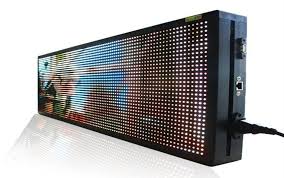
2. Brightness and Contrast Ratio
Brightness, measured in nits (cd/m²), is critical for visibility, especially in outdoor environments with direct sunlight. High-quality LED modules can reach brightness levels exceeding 5,000 nits for outdoor use and around 800-1,500 nits for indoor applications. Contrast ratio—the ratio between the brightest white and the darkest black the display can produce—is vital for image clarity. LED displays typically achieve a contrast ratio around 3,000:1 to 10,000:1 depending on the LED type and panel design.
3. Refresh Rate and Gray Scale
Refresh rate, measured in Hertz (Hz), indicates how often the image refreshes per second. A minimum of 1,920 Hz is recommended to avoid flickering, critical in broadcast and high-definition video applications. Gray scale depth controls color accuracy and smoothness in video playback. Most professional-grade LED displays support 14 to 16-bit gray scale levels, offering over 16,000 to 65,000 shades per color channel.
4. Viewing Angle and Color Uniformity
Wide viewing angles (up to 160° to 170° horizontal and vertical) ensure consistent image quality across different audience positions. Color uniformity involves maintaining consistent brightness and chromaticity across the entire display surface, which is achieved through high precision binning of LED chips and advanced calibration methods during manufacturing.
Materials and Components Selection
The choice of LED chips, PCB substrates, driver ICs, and front protection glass impacts long-term reliability and performance. For instance, companies adhering to JEDEC standards (e.g., MS-012 for LED devices) ensure superior chip quality with high luminosity and low thermal resistance, which improves lifespan beyond 100,000 hours. PCB materials with high thermal conductivity like aluminum-based PCBs aid in efficient heat dissipation, preventing color shift and component degradation.
Manufacturing Processes and Quality Control
Modern LED display manufacturing incorporates Surface-Mount Technology (SMT) machines with micron-level placement accuracy for LED components. Automated optical inspection (AOI) systems verify solder joints and pixel defects in real-time. The industry standard practices also include:
- Burn-in Testing: Continuous operation typically for 72 hours or more at factory conditions to identify premature failures.
- Environmental Testing: Validation under temperature (-20°C to 60°C) and humidity (up to 90%) cycles aligned with IEC 60068 standards to ensure outdoor durability.
- IP Rating Certification: Outdoor LED modules are tested for ingress protection (IP65 and above), ensuring water and dust resistance per IEC 60529.
Emerging Trends in LED Display Technology
MicroLED and miniLED advancements are progressively influencing traditional LED display manufacturing. MicroLED offers ultra-high resolution with pixel pitches below 0.5mm and significant gains in contrast and power efficiency, though challenges in mass production still persist. Hybrid manufacturing approaches incorporating Quantum Dot enhancement improve color gamut coverage beyond the industry-standard Rec. 709 to achieve Rec. 2020 color space, critical for HDR content.
Furthermore, intelligent calibration software using AI algorithms optimizes color temperature and brightness dynamically, adapting to ambient conditions and prolonging the display’s lifespan.
Case Study: High-Reliability LED Display for Control Room Applications
A leading control center implemented an indoor LED video wall with 1.9mm pixel pitch, 4,000 nits brightness, and 16-bit gray scale to ensure seamless video signal presentation. Through stringent quality checks following ISO 9001 manufacturing standards and utilizing single bin LED chips from a reputable supplier, color uniformity deviations were contained within ±2%. The final installation exhibited zero pixel failures and stable performance even under 24/7 operation conditions, underscoring the benefits of meticulous manufacturing and detailed engineering.
Conclusion
LED display manufacturing is an intricate discipline requiring specialized knowledge of materials, precision engineering, and rigorous quality assurance. Adhering to international standards like IEC and JEDEC paired with cutting-edge technological integration guarantees LED displays with high visual performance, durability, and operational reliability. Staying abreast of emerging trends such as MicroLED and AI-driven calibration will further empower manufacturers to create displays that meet the dynamic demands of global applications ranging from commercial advertising to mission-critical environments.
References and Standards:
- IEC 60068 Environmental Testing
- IEC 60529 Ingress Protection (IP) Ratings
- JEDEC MS-012 LED Device Standards
- ISO 9001 Quality Management Systems
- SMPTE Recommended Practices for Video Refresh Rates
By leveraging authoritative standards and technical best practices, engineers and manufacturers contribute to the continual advancement and reliability of LED display technology.













