

Advanced LED Display Manufacturing Techniques and Industry Standards for High-Quality Screens
In the rapidly evolving field of LED display manufacturing, producing high-quality LED screens requires a comprehensive understanding of materials, engineering processes, and strict adherence to industry standards. As a professional LED display engineer with extensive experience in the design, assembly, and quality assurance of LED LCD screens, this article delves into the critical technical parameters, manufacturing techniques, and quality benchmarks that ensure optimal performance and durability of LED displays for various applications.
Material Selection and LED Chip Technology
The foundation of any LED display is the LED chip itself. Modern high-end displays predominantly use SMD (Surface Mount Device) technology due to its compactness and superior luminous efficiency. Choosing chips with high luminous flux and stable chromaticity is crucial for achieving vibrant colors and uniform brightness. Typical LED chips in commercial displays possess luminous intensities ranging from 10,000 to 25,000 millicandelas (mcd), and color coordinates adhering to ITU-R BT.709 standards ensure consistent color reproduction across panels.
Pixel Pitch and Resolution Considerations
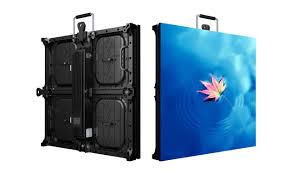
Pixel pitch—the distance from the center of one LED pixel to the next—is a paramount parameter influencing image clarity and viewing distance. For fine indoor displays, pixel pitches typically range from 0.9 mm to 4 mm, enabling high-resolution visuals suitable for close-up viewing. Outdoor screens, by contrast, often employ larger pixel pitches (4 mm to 16 mm) optimized for visibility at longer distances while maintaining brightness and weather resistance.
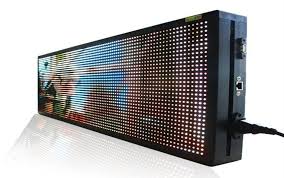
State-of-the-art manufacturing lines utilize precision placement equipment calibrated to micrometer tolerances, ensuring accurate LED positioning and uniform pixel geometry. This meticulous assembly results in reduced Mura (uneven luminance), a common visual defect in lower-quality displays.
Driver ICs and Refresh Rates
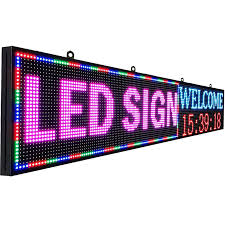
Driver integrated circuits (ICs) play a vital role in controlling LED illumination and refresh rates. Using high-frequency driver ICs, such as those compliant with MBI5124 or Chipone ICs, enables refresh rates exceeding 3840 Hz. Higher refresh rates eliminate flicker in video recordings and provide smooth, natural visual experiences, essential for broadcast and live event applications.
Thermal Management and Structural Design
Effective heat dissipation is critical to maintaining LED longevity and consistent brightness. LED display cabinets are designed with aluminum alloy frames for excellent thermal conductivity. Some advanced displays incorporate heat pipes or active cooling systems to manage heat loads in high-intensity environments. Additionally, conformal coatings are applied to protect LED modules from moisture and dust intrusion, meeting IP65 or higher ingress protection standards for outdoor installations.
Color Calibration and Uniformity
Achieving uniform color temperature across an entire LED display panel requires sophisticated color calibration processes. Manufacturers employ automated calibration systems measuring luminance and chromaticity at multiple points, adjusting drive current levels accordingly. This ensures compliance with standards such as ANSI C78.377-2017 for color rendering, maintaining vivid, lifelike images without color shifts due to temperature or usage variations.
Industry Standards and Quality Assurance
The International Electrotechnical Commission’s IEC 60598 series outlines safety requirements for LED lighting devices, including displays. Additionally, RoHS and REACH directives govern the use of hazardous substances, ensuring environmentally friendly manufacturing. Quality control involves rigorous testing of panels for brightness uniformity (±5% deviation), color accuracy (ΔE< 3), and fault tolerance. Reliability testing, including thermal cycling and humidity exposure, verifies long-term performance.
Case Study: Large-Scale Stadium Display Deployment
A recent installation of a 1000 square meter outdoor LED display in a major stadium utilized 10 mm pixel pitch modules with IP68 waterproof rating. To combat ambient temperature extremes, the engineering team integrated active airflow passages and triple-layer conformal coating. The display achieved a peak brightness of 7,000 nits, surpassing the 5,000 nit industry baseline for direct sunlight readability. The project underscored the importance of precision engineering, material quality, and adherence to industry protocols in delivering high-performance screens.
Future Trends and Innovations
Emerging trends in LED display manufacturing focus on microLED technology, leveraging microscopic LEDs to achieve unprecedented pixel densities and energy efficiency. Integration with AI-driven calibration tools promises dynamic real-time adjustments enhancing picture quality. Moreover, flexible and transparent LED panels are gaining momentum for innovative architectural and retail applications.
In conclusion, the synthesis of advanced LED chip selection, meticulous assembly processes, rigorous quality assurance, and compliance with international standards forms the backbone of producing superior LED displays. As technology progresses, continuous innovation ensures these displays meet the growing demands for brightness, color fidelity, and reliability in diverse environments.













