

Advanced Techniques and Quality Standards in LED LCD Screen Manufacturing
The LED LCD screen manufacturing industry has undergone significant evolution over the past decade, driven by increasing demand for higher resolution, better color accuracy, and improved energy efficiency. As a professional LED display engineer with extensive experience in the field, this article delves into the critical technical parameters, manufacturing processes, industry standards, and quality control measures that define today’s premium LED LCD screens. Understanding these factors is essential for manufacturers, product designers, and customers seeking high performance and reliability in display technology.
Key Technical Parameters of LED LCD Screens
LED LCD screens combine liquid crystal display technology with LED backlighting, leveraging the advantages of both. The critical parameters include resolution, brightness, contrast ratio, color gamut, response time, and viewing angle.
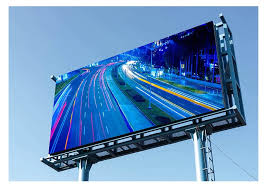
- Resolution: Higher pixel density ensures sharper image rendering. Common resolutions include Full HD (1920x1080), 4K UHD (3840x2160), and emerging 8K (7680x4320) standards per ITU-R BT.2020.
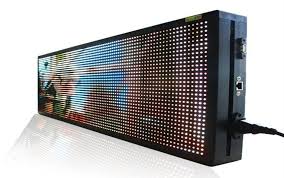
- Brightness: Typically measured in nits (cd/m²), LED LCDs achieve brightness levels from 250 nits in consumer devices up to 1000+ nits in professional displays, critical for visibility in varied lighting conditions.
- Contrast Ratio: Dynamic contrast ratios often exceed 1,000,000:1 using local dimming techniques, significantly enhancing image depth and sharpness.
- Color Gamut: Wide color gamut coverage, such as DCI-P3 or Adobe RGB, is achieved by using white LEDs with quantum dot enhancement films or specialized LED powders, ensuring vivid and accurate color reproduction.
- Response Time: Fast response (measured in milliseconds) is paramount to reduce motion blur in gaming and professional video applications.
- Viewing Angle: IPS (In-Plane Switching) panels supply wide viewing angles (up to 178° horizontal and vertical) without color distortion, essential for collaborative environments.
Manufacturing Process and Quality Control
The LED LCD production process integrates cleanroom assembly, precise control of thin-film transistor (TFT) arrays, liquid crystal alignment, and LED backlight module fabrication. The process includes:
- Substrate Preparation: High-purity glass or flexible substrates undergo deposition of TFTs using photolithography, which controls pixel switching with accuracy.
- Liquid Crystal Alignment: Controlled by rubbing polyimide layers to uniformly orient liquid crystals, ensuring consistent light modulation across the display.
- Backlight Assembly: Involves arranging LEDs in edge-lit or direct-lit configurations, often complemented by diffusion sheets and prism films for uniform backlight distribution.
- QC Testing: Each panel undergoes electrical testing, including checking for dead pixels, color uniformity tests leveraging spectrophotometers, and brightness uniformity measured by luminance meters.
Industry Standards and Compliance
Manufacturers align their products with international standards such as:
- ISO 9241-307: Defining pixel defects and quality class criteria for displays.
- IEC 62471: Photobiological safety standards for LEDs, ensuring user safety regarding blue light emissions.
- Energy Star certifications emphasizing power efficiency in display devices.
- RoHS and REACH compliance for environmental safety of materials used.
Adhering to these standards not only improves product reliability but also ensures compliance with global regulatory requirements, facilitating international market acceptance.
Case Study: Enhancing Performance with Quantum Dot Technology
A leading manufacturer integrated quantum dot enhancement films (QDEF) to their LED LCD panels, significantly boosting the displays’ color gamut from 72% NTSC to over 95% DCI-P3. This innovation utilized nanoscale semiconductor particles that emit precise wavelengths when excited by LED backlighting. The result was richer, more saturated colors with minimal energy consumption increase, demonstrating a clear advantage over traditional white LED backlighting.
Future Trends in LED LCD Screen Manufacturing
We are witnessing trends such as the incorporation of mini-LED and micro-LED technologies, which allow localized dimming at a per-LED scale, dramatically improving contrast levels while reducing power consumption. Flexible and foldable LED LCD displays are emerging due to advancements in organic materials and pliable substrates, expanding applications to wearable devices and automotive displays.
In addition, the integration of AI-based calibration systems is becoming prevalent, enabling automatic adjustments to brightness, color temperature, and gamma settings based on ambient conditions, thereby optimizing user experience.
Conclusion
The manufacturing of LED LCD screens is a complex, multidisciplinary process requiring precise control of materials, assembly, and testing. Understanding technical parameters and adhering to global industry standards ensure the production of displays that meet the rigorous demands of professional and consumer markets. Continuous innovation, such as quantum dots and mini-LED backlighting, propels the industry toward displays with unprecedented image quality, efficiency, and form factor versatility.
For stakeholders in the LED display industry, mastery of these manufacturing principles and quality benchmarks is crucial for achieving competitive advantage and delivering superior visual solutions to end-users worldwide.













