

Advanced LED Display Technologies: Engineering Quality and Performance in Modern LED Screens
The evolution of LED display technology has revolutionized the way we visualize information, enhancing clarity, brightness, and energy efficiency across various applications. As an experienced LED display engineer, this article delves into the technical foundations, manufacturing processes, and quality assurance practices that define today’s state-of-the-art LED screens, ensuring superior performance in diverse environments.
Introduction
Light Emitting Diode (LED) displays have transformed digital visualization through their integration of high brightness, excellent contrast ratios, and robust durability. Emerging from simple indicator devices, these displays now serve in critical domains such as advertising, control rooms, sports arenas, and broadcast studios. Key parameters such as pixel pitch, refresh rate, and brightness dictate the display’s effectiveness and user experience. Understanding these factors and manufacturing precision is crucial for engineers and stakeholders committed to optimal LED solutions.
Technical Foundations and Display Parameters
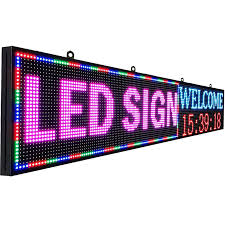
The core component of any LED display is its pixel, which consists of clusters of red, green, and blue diodes capable of producing a full spectrum of colors via precise wavelength control. Modern LED displays offer pixel pitches ranging from sub-millimeter (for close viewing distances, like indoor fine-pitch screens) to several millimeters (for large outdoor billboards viewed from afar). According to the International Electrotechnical Commission (IEC 62717), pixel pitch directly affects resolution and viewer distance suitability.
Brightness is measured in nits (cd/m²), with indoor displays typically ranging between 800–1500 nits, while outdoor LED displays require much higher luminance, often 5000 nits or more, to counteract ambient sunlight. Refresh rates have also progressed substantially, with 3,000Hz or above being a benchmark for flicker-free, smooth video playback to comply with broadcast standards such as those defined by SMPTE (Society of Motion Picture and Television Engineers).
Manufacturing Best Practices and Quality Control
Precision manufacturing of LED modules demands advanced surface-mount technology (SMT) assembly lines capable of micro-scale placement accuracy. Controlled soldering processes ensure stable electrical connections without thermal damage to diodes, maintaining uniform brightness across modules. Encapsulation techniques, using materials with superior luminous transmission and weather resistance, guarantee longevity and performance stability.
Quality assurance in LED screen production incorporates stringent in-line optical and electrical testing. Dynamic aging tests simulate environmental stresses to detect early failures. Calibration of color temperature ensures consistency across large video walls, a critical factor in professional applications like live broadcasting. Compliance with RoHS (Restriction of Hazardous Substances) directives and IP rating standards (IP65 or above for outdoor environments) certifies the display’s environmental safety and ingress protection.
Innovations Driving Industry Trends
Recent advancements include mini-LED and micro-LED technologies, which improve pixel density and energy efficiency further. Micro-LEDs, with their self-emissive properties and ultra-fine pitch capabilities below 1mm, mark a significant leap in display technology offering higher contrast ratios and wider color gamuts compared to traditional LCDs.
Furthermore, intelligent control systems incorporating AI-driven calibration and adaptive brightness control optimize the viewing experience dynamically, enhancing both user comfort and energy conservation.
Conclusion
Achieving excellence in LED display manufacturing is a multidisciplinary endeavor combining optical physics, materials science, electronics engineering, and automated production technologies. By adhering to internationally recognized standards such as IEC 62717 and SMPTE guidelines, practitioners can deliver high-performance LED displays that meet demanding requirements for clarity, durability, and color accuracy. Continued innovation and stringent quality management will ensure LED technology remains at the forefront of visual communication, satisfying the growing global demand for versatile, efficient, and visually stunning display solutions.













