

LED Display for Conference: Enhancing Visual Communication and Engagement
In today’s fast-paced corporate environment, effective communication during conferences is paramount. An LED display for conference settings has become an indispensable tool, providing clear, dynamic, and engaging visual content that fosters better understanding and interaction among attendees. This article explores the technical parameters, advantages, and industry applications of LED displays in conference environments, guided by internationally recognized standards and best practices.
Understanding LED Displays in Conference Applications
LED (Light Emitting Diode) displays utilize arrays of small diodes that emit light when powered. Unlike traditional LCD or projector systems, LED displays offer superior brightness, color accuracy, and durability, making them suitable for diverse indoor conference environments. The key specifications influencing performance include pixel pitch, brightness, resolution, refresh rate, and viewing angle.
- Pixel Pitch: Defines the distance between two adjacent LED pixels, typically measured in millimeters (mm). For conference rooms, common pixel pitches range from 1.5 mm to 3 mm to balance clarity with cost-effectiveness. A smaller pixel pitch enhances image sharpness, which is crucial for detailed presentations or video playback.
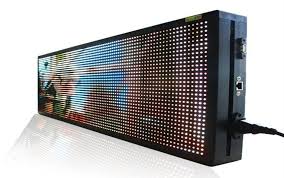
- Brightness: Indoor LED panels generally have a brightness level between 800 to 1500 cd/m² (candela per square meter). This level ensures visibility even in rooms with ambient lighting. For brightly lit conference halls, higher brightness is recommended to prevent image washout.
- Resolution: Resolution depends on the LED matrix size and pixel pitch. A standard Full HD resolution (1920x1080) is common for medium to large conference rooms to maintain crisp, high-definition visuals that improve audience engagement.
- Refresh Rate: Refresh rates of 1920 Hz or higher are standard in professional-grade LED displays, preventing flickering and providing smooth motion, which is essential when displaying video content or dynamic presentations.
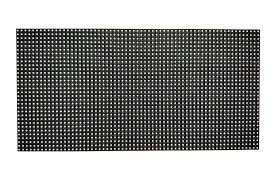
- Viewing Angle: A wide viewing angle of at least 140° horizontal and vertical ensures that all participants, regardless of seating position, experience uniform image quality, which is critical for maintaining audience focus.
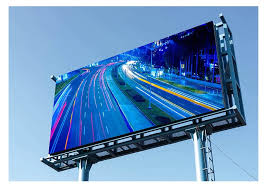
Advantages of LED Displays in Conference Settings
1. High Visibility and Image Quality
LED displays produce vibrant, high-contrast images that stand out compared to conventional projection screens. This increased visibility is essential in large venues or rooms with ambient light. According to the International Electrotechnical Commission (IEC 62673-1 standards), LED displays offer luminance uniformity and color consistency critical for professional presentations.
2. Modular and Scalable Design
Most LED panels are modular, allowing customized screen sizes and shapes, scalable from small meeting rooms to large auditoriums. This flexibility supports various conference formats, including seminars, product launches, and webinars.
3. Durability and Low Maintenance
LED screens boast long lifespans (typically 50,000 to 100,000 hours), require less maintenance than traditional displays, and maintain brightness over time. This makes them cost-effective for organizations hosting frequent events.
4. Real-Time Content Adaptability
With integrated processing hardware, LED displays can seamlessly handle multimedia content, live video feeds, and interactive applications. This capability enhances the dynamism and engagement levels during conferences.
Technical Implementation Considerations
When integrating LED displays for conference environments, several technical factors must be considered for optimal performance:
- Installation Location and Environment: Indoor LED displays should be installed in areas with controlled ambient light and temperature to prolong their operational life and maintain image quality.
- Signal Processing and Connectivity: Professional-grade control systems supporting HDMI 2.0, DisplayPort, or SDI inputs are advisable for reliable and high-bandwidth content delivery. Video wall processors can synchronize multiple panels for larger displays.
- Power Consumption and Heat Management: LED panels can consume substantial power; proper ventilation or cooling systems are necessary to prevent overheating, ensuring reliability and safety.
- Compliance with Industry Standards: Following standards such as IEC 62368 for safety and IEC 61547 for electromagnetic compatibility ensures that the LED display system meets international regulatory requirements.
Industry Case Study
A multinational technology company recently outfitted its headquarters’ main conference hall with a 5x3-meter LED video wall featuring 2 mm pitch modules. The system, designed and installed by a leading LED solutions provider, supports Full HD resolution, 1200 cd/m² brightness, and a 3840 Hz refresh rate. The deployment improved presentation clarity dramatically, reduced setup time for events, and received positive feedback on ease of use and image quality from corporate staff and visiting clients alike.
Future Trends in Conference LED Displays
The LED display industry is continuously evolving. Mini-LED and Micro-LED technologies are emerging, offering higher pixel density and even better energy efficiency, promising enhanced performance for conference applications. Moreover, integration with AI-driven content management systems can enable adaptive content personalization and interactive audience engagement tools.
In conclusion, LED displays deliver significant advantages for conference visual communication by combining superior image quality, scalability, durability, and flexibility. Their adoption aligns with modern business needs for impactful presentations and interactive collaboration. For organizations investing in conference technology infrastructure, LED displays represent a future-proof solution adhering to international standards and optimized for global business environments.













