

Comprehensive Insights into LED Display Technology: Applications, Advantages, and Emerging Trends
The evolution of LED display technology has revolutionized the visual communication industry, bridging innovation with practical applications across multiple sectors globally. As an experienced LED display engineer, this article delves into the technical nuances, practical implementations, advantages, common challenges, and emerging trends shaping the future of LED displays. Drawing upon industry standards such as IEC 62471 for photobiological safety and the ANSI/IES RP-27 standard for luminance measurements, this detailed overview encapsulates critical elements for professionals and enthusiasts alike.
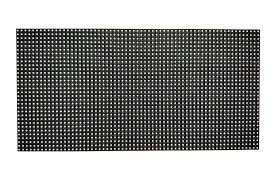
LED displays, consisting of light-emitting diodes arranged as pixels, serve as versatile screens ranging from small digital signage to colossal outdoor advertising panels. The core technical parameters defining LED display performance include pixel pitch, brightness (nits), contrast ratio, refresh rate, and color accuracy. For example, pixel pitch—a measurement in millimeters indicating the distance between LED pixel centers—directly influences resolution and viewing distance. Fine-pitch LEDs (less than 1.5 mm) are prevalent in high-resolution indoor applications, delivering crisp visual content for retail, broadcast studios, and control rooms. Conversely, larger pixel pitches (10mm or more) suit outdoor environments, prioritizing brightness and durability.
One of the most significant advantages of LED displays is their excellent brightness levels, often exceeding 5,000 nits for outdoor displays, enabling visibility under direct sunlight conditions. This contrasts with traditional LCD screens, which typically max out below 1,000 nits. LEDs also boast superior energy efficiency, longer lifespan (often exceeding 100,000 hours), and fast response times, which are invaluable in dynamic content delivery such as live sports or interactive exhibits.
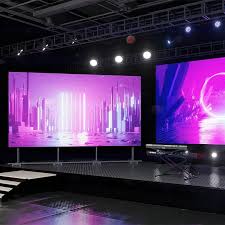
Practical applications of LED displays are incredibly diverse. In transportation hubs like airports and train stations, high-resolution LED boards facilitate real-time information dissemination with clear visibility even in ambient lighting fluctuations. In corporate environments, LED walls serve as impactful digital canvases for presentations or environmental branding. The retail sector leverages LED video walls to promote products dynamically, enhancing customer engagement through vibrant, scalable content. Moreover, the entertainment industry utilizes ultra-high-definition LED video panels to transform concert stages, cinema backdrops, and virtual sets with immersive visual effects.
Despite their advantages, LED displays face several technical challenges. Heat dissipation remains critical; excessive thermal build-up can deteriorate LED lifespan and color stability. Hence, advanced thermal management solutions, such as integrated heat sinks and ventilation systems, are standard engineering practices. Uniformity of color and brightness also demands rigorous calibration, often adhering to standards like ISO 12646 for color consistency in displays. Pixel failure or “dead LEDs” pose repair and maintenance complexities, requiring modular panel design and remote monitoring systems to promptly detect and address faults.
Recent trends in LED technology showcase exciting advancements. Mini- and micro-LED developments are pushing pixel pitches under 0.5 mm, rivaling OLED and LCD displays in picture quality while retaining the robustness and brightness advantages of LEDs. Furthermore, transparent and flexible LED displays are expanding applications into architectural design and wearable technology. The integration of artificial intelligence for real-time content optimization and predictive maintenance is reshaping how users interact with LED screens, improving operational efficiency and reducing downtime.
To summarize, LED displays represent a mature yet rapidly evolving technology integral to modern visual communication infrastructures. By understanding key technical parameters, leveraging their advantages, addressing common issues proactively, and embracing emerging trends like mini-LED and AI integration, industry professionals can maximize value and ensure sustained performance. Leading manufacturers follow strict quality control frameworks and certifications such as UL 8750 and RoHS compliance, underscoring the commitment to safety and environmental responsibility in LED display manufacturing.
References:
- IEC 62471: Photobiological safety of lamps and lamp systems
- ANSI/IES RP-27-20: Recommended Practice for High Luminance Measurement
- ISO 12646: Graphics Technology - Displays for color proofing
- UL 8750: Standard for LED equipment for use in lighting products
- RoHS Directive (2011/65/EU): Restriction of hazardous substances in electrical and electronic equipment
This extensive insight offers a holistic understanding of LED display technology, supporting informed decision-making in selecting and maintaining high-performance LED systems across diverse sectors.













