

Optimal Design and Application of Conference LED Screens for Enhanced Visual Communication
In today's fast-paced corporate and event environments, conference LED screens have become indispensable tools for effective communication and immersive presentation experiences. As a seasoned LED display engineer with extensive expertise in LED and LCD manufacturing technologies, I will provide a thorough analysis of the essential aspects involved in the design, manufacture, and deployment of LED screens tailored specifically for conference settings. This article delves into technical parameters, industry standards, practical implementation tips, and case studies that underscore best practices for achieving optimal visual clarity, durability, and user interaction in conference environments.
Technical Overview and Industry Standards
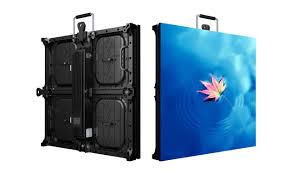
A conference LED screen typically refers to a high-resolution, large-format display designed to present dynamic video content, live feeds, presentations, or data visualization in meeting rooms, auditoriums, and convention centers. The technical performance of these displays hinges on critical parameters:
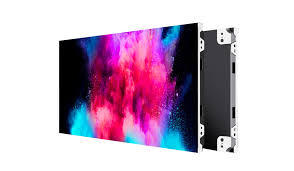
- Pixel Pitch: Ranges between 0.9mm to 3mm for indoor conference screens, offering finely detailed images even at relatively close viewing distances of 2 to 5 meters. According to the IEC 62471 standard on photobiological safety, pixel pitch impacts eye safety and viewer comfort during prolonged viewing.
- Brightness and Contrast Ratio: Optimal brightness levels range from 800 to 1500 nits, ensuring visibility under varying ambient lighting conditions. High contrast ratios (>= 3000:1) guarantee deep blacks and vibrant colors essential for multimedia presentations.
- Refresh Rate: A refresh rate of at least 1920Hz is recommended to avoid flicker, which is crucial for high-definition video playback and live camera feeds.
- Color Accuracy and Depth: Support for 16-bit grayscale and wide color gamut technologies ensure a true-to-life color representation, complying with Rec. 709 or DCI-P3 standards, which are essential for professional media presentations.
Material and Manufacturing Considerations
The reliability and longevity of conference LED screens depend on using premium materials and advanced manufacturing processes:
- SMD (Surface-Mount Device) LEDs: These provide uniform light distribution and excellent heat dissipation. Leading manufacturers utilize SMD 1515 or 1010 packages in indoor applications to balance pixel density and thermal performance.
- Cabinet Construction: Lightweight aluminum alloy frames with precision die-casting ensure structural stability and ease of installation. Modular design facilitates scalable screen sizes up to 200 square meters without compromising seamless image quality.
- Power Management and Cooling: Efficient power supply units with 80 PLUS certification, combined with passive or active cooling systems, maintain operating temperatures below 35°C, extending product lifetime beyond 100,000 hours as per JMTA standards.
Practical Implementation: Installation and Calibration
Successful deployment of conference LED screens requires careful consideration of environmental conditions and user requirements:
- Viewing Distance and Angle: For conference rooms up to 15 meters in length, a pixel pitch of 1.5mm to 2mm is optimal, with a viewing angle above 140° horizontally and vertically to accommodate audience positioning flexibility.
- Calibration and Maintenance: Utilizing professional calibration tools like spectroradiometers ensures uniform brightness and color accuracy across the entire screen surface. Routine maintenance includes firmware updates, pixel defect scans, and cabinet alignment checks to prevent image artifacts.
- Connectivity and Control Systems: Integration with HDMI 2.1, DisplayPort 1.4, and network protocols such as DVI over IP facilitate seamless content sharing from various sources. User-friendly control software with real-time monitoring capabilities boosts operational efficiency during live events.
Case Study: Enhancing Executive Meetings with Tailored LED Solutions
A multinational corporation upgraded its boardroom with a 4K resolution 4x3 meter LED screen featuring 1.2mm pixel pitch. Pre-installation simulations confirmed optimal sightlines and brightness calibration for ambient office lighting of 500 lux. Post-installation feedback highlighted improved participant engagement, enhanced video conferencing quality, and reduced eye fatigue during extended sessions, demonstrating the profound impact of well-engineered LED display systems.
Conclusion
The rapid evolution of LED technology, guided by stringent industry standards and user-centric design principles, has transformed conference LED screens into pivotal communication hubs. Achieving optimum clarity, color fidelity, and reliability requires a deep understanding of technical specifications, material science, and real-world conditions. Leveraging these insights empowers businesses and event organizers to foster compelling narratives and collaborative success through superior visual communication platforms.
References:
- IEC 62471:2006, Photobiological safety of lamps and lamp systems.
- JMTA LED Screen Reliability Guidelines.
- ITU-R BT.709, Parameter Values for the HDTV Standards.
- DCI-P3 Color Gamut Specification, Digital Cinema Initiatives.
- SMPTE ST 2081-1, LED Display Device Performance.













