

Advancements and Applications of Interactive LED Displays in Modern Environments
Interactive LED displays have revolutionized the way we engage with digital content across various sectors, including retail, education, entertainment, and corporate communications. As an expert in LED display engineering, it is imperative to explore the technological advancements and practical applications of interactive LED technology to understand its growing influence and future potential.
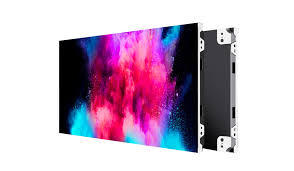
Interactive LED displays integrate high-resolution LED panels with touch-sensitive surfaces or motion sensors, enabling users to manipulate content directly on the screen. Unlike traditional LED displays, which serve purely as output devices, these interactive systems provide a two-way communication channel that enhances user engagement through intuitive interfaces.
Technical Parameters and Standards
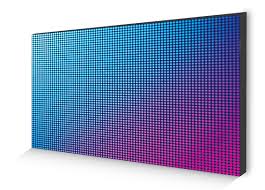
Modern interactive LED displays typically feature pixel pitches ranging from 0.8mm to 3mm, depending on application needs. A finer pixel pitch, such as 0.8mm, is ideal for indoor environments requiring close viewing distances, adhering to standards outlined by the International Electrotechnical Commission (IEC 62087). Brightness levels commonly range between 800 to 1500 nits for indoor models, ensuring visibility under ambient lighting conditions without excessive power consumption. Refresh rates of 3840Hz and above are standard to prevent flickering, enhancing the usability in camera-monitored environments like broadcasting studios.
Touch technologies employed include capacitive and infrared sensing, with capacitive touch offering higher accuracy and multi-touch support. These sensors are integrated into LED modules via a layered design that maintains brightness uniformity and color consistency, complying with VESA’s mounting and performance guidelines.
Industry Applications
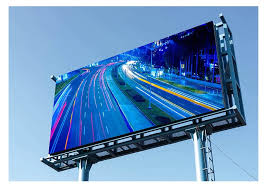
In retail, interactive LED walls act as dynamic storefronts, delivering personalized advertising and product information. Case studies from major brands demonstrate that interactive LED installations can increase customer engagement by up to 30%, as users interact with product catalogs and promotional content. Educational institutions benefit from interactive LED displays by incorporating real-time collaboration and multimedia lessons, supporting diverse learning styles with visually rich content and tactile interaction.
Corporate environments utilize interactive LED panels for immersive presentations, video conferencing, and collaborative workspaces. These installations are engineered to integrate with existing AV and IT infrastructure, utilizing HDMI 2.1 and TCP/IP protocols for seamless data transmission and system control.
Manufacturing and Quality Control
Producing interactive LED displays requires precision assembly of LED modules with integrated touch layers, demanding strict quality control to ensure uniform luminance and touch responsiveness. Automated optical inspection (AOI) systems and electrostatic discharge (ESD) precautions are standard in manufacturing lines. Industry leaders adhere to ISO 9001 and ISO 14001 to guarantee product reliability and environmental compliance.
Future Trends
The evolution of interactive LED technology is moving towards incorporating AI-driven content adaptation, gesture recognition, and holographic displays, further enhancing interactivity without physical contact. Integration with Internet of Things (IoT) devices is also expanding use cases, enabling real-time analytics and customized user experiences.
In summary, interactive LED displays represent a convergence of advanced LED panel manufacturing and sophisticated sensor technologies, creating versatile platforms that support interactive communication. Continued innovation and adherence to international standards will ensure their adaptability and effectiveness in transforming user engagement across industries.













