

Advanced LED LCD Screen Manufacturing: Technical Insights and Industry Standards
The modern landscape of display technology is profoundly shaped by the innovations in LED LCD manufacturing, a field that demands precision engineering, stringent quality control, and continuous improvement to meet the escalating demands of global markets. As a seasoned LED display engineer with extensive experience in both design and manufacturing, this article explores advanced technical parameters, industry standards, and practical considerations essential for the production of high-performance LED LCD screens.
Introduction
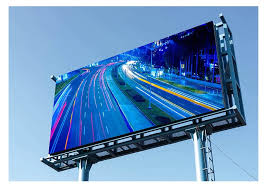
LED LCD screens have become ubiquitous, powering devices ranging from smartphones and televisions to large-scale commercial displays. The convergence of LED technology with liquid crystal displays has enhanced brightness, color accuracy, and energy efficiency, making these screens the preferred choice for multimedia applications. However, manufacturing these displays involves a complex interplay of material science, electronic engineering, and quality assurance protocols. Understanding these complexities not only facilitates superior product development but also aligns with international standards governing display performance and safety.
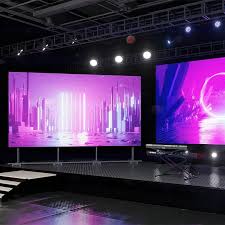
Main Body
1. Technical Parameters in LED LCD Manufacturing
The performance of LED LCD screens is underpinned by critical technical specifications that manufacturers must meticulously control:
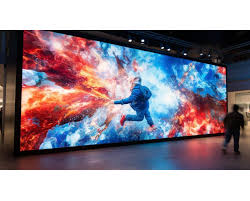
- Pixel Pitch and Resolution: Pixel pitch, the distance between adjacent pixels, significantly influences the display’s resolution and viewing distance. For instance, commercial LED displays typically range from 0.9 mm to 10 mm pixel pitch, with finer pitches (below 2 mm) used in high-definition indoor screens. These parameters affect the screen's ability to render detailed images and text.
- Brightness and Contrast Ratio: Typical LED LCD screens boast brightness levels exceeding 500 nits for indoor use and upwards of 1000 nits for outdoor applications, adhering to guidelines such as the IEC 62676-2 standard for video surveillance displays. Contrast ratio, indicative of the distinction between the brightest white and darkest black, usually surpasses 1000:1 to ensure vivid image reproduction.
- Color Gamut and Accuracy: Advanced displays employ wide color gamut technologies compliant with standards like Rec. 709 and DCI-P3, achieving color accuracy with Delta E values less than 2, crucial for professional video and photographic applications.
- Refresh Rate and Response Time: Higher refresh rates (typically 60Hz to 240Hz) reduce flicker and improve motion rendering. Response times under 8 ms are essential to minimize motion blur, a critical factor in gaming and high-speed video playback.
2. Manufacturing Processes and Quality Control
Manufacturing LED LCD displays begins with substrate preparation, involving the deposition of indium tin oxide (ITO) layers for transparent electrodes followed by the precise alignment of liquid crystals. Integrated LED backlighting layers require uniform distribution and calibration to avoid hotspots.
Industry leaders implement automated optical inspection (AOI) and automated functional testing (AFT) to detect pixel defects, color uniformity issues, and electronic faults early in production. The adoption of ISO 9001:2015 quality management standards ensures continuous process control and traceability, mitigating variability and enhancing yield rates.
3. Industry Standards and Compliance
Compliance with international standards is non-negotiable in the production of LED LCD screens:
- IEC 62471: Specifies photobiological safety requirements to mitigate risks related to blue light hazards from LED sources.
- RoHS and REACH: Restrict the use of hazardous substances to comply with environmental regulations across Europe and other regions.
- MIL-STD-810: For displays intended for military or rugged environments, this standard ensures durability against shock, vibration, and temperature extremes.
Adherence to these standards not only safeguards consumer health and product reliability but also expands market access globally.
4. Emerging Trends and Innovations
The industry is witnessing the integration of mini-LED and micro-LED technologies into LCD thin-film transistor (TFT) matrices, drastically improving local dimming capabilities and reducing power consumption. Quantum dot enhancement layers (QDEL) further boost color saturation and efficiency. These advances demand re-engineered manufacturing workflows and supply chain collaborations.
Conclusion
Mastery of LED LCD screen manufacturing involves a nuanced balance of high-precision engineering, rigorous quality controls, and strict compliance with evolving standards. Manufacturing excellence directly translates into displays that offer superior visual performance, reliability, and user satisfaction. As the industry pushes toward more compact pixel pitches, enhanced color reproduction, and energy efficiency, specialists must engage continuously with technological innovations, regulatory frameworks, and international market requirements to maintain competitiveness and foster sustainable growth.
Through understanding and applying these core principles, manufacturers can ensure their LED LCD products meet the highest benchmarks, ultimately delivering immersive, vibrant, and dependable display solutions worldwide.













