

High Brightness TFT Display: Enhancing Visibility and Performance in Diverse Applications
In the realm of display technology, high brightness TFT (Thin Film Transistor) displays have become essential components for applications demanding superior visibility under challenging lighting conditions. High brightness TFT displays are engineered to deliver luminance levels significantly higher than standard displays, ensuring clear readability in environments ranging from direct sunlight to brightly lit industrial settings.
Technical Parameters and Performance Metrics
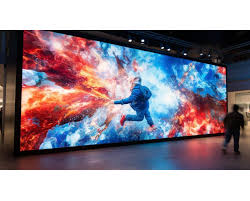
A typical high brightness TFT display operates with luminance values ranging from 800 nits up to 2500 nits or more, compared to conventional TFT LCDs that usually provide around 300-500 nits. For context, a nit, or candela per square meter (cd/m²), is the standard unit measuring luminance output. Displays exceeding 1000 nits are generally classified as high brightness, with ultra-high brightness displays pushing beyond 2000 nits.
The elevated luminance is achieved through several design enhancements:
- Enhanced Backlighting Systems: High brightness TFTs utilize advanced LED backlights, often employing multiple LED arrays or edge-lit configurations with high output LEDs to boost luminance without compromising uniformity.
- Optical Bonding Technology: By applying optical bonding—an adhesive layer between the LCD panel and the cover glass—light reflections are minimized, and contrast is improved. This reduces glare and ensures higher effective brightness.
- Anti-Reflective Coatings: Specialized anti-reflective (AR) coatings further cut down ambient light reflections, improving screen readability under direct sunlight or glare-prone environments.
- High Contrast Ratios: Coupled with brightness, optimizing contrast ratio (typically above 1000:1 for high brightness TFT displays) is critical to maintain clear differentiation between blacks and whites, which enhances image clarity.
Industry Applications
High brightness TFT displays find broad applications across multiple sectors:
1. Outdoor Digital Signage: Public information boards, advertising panels, and transportation displays need to remain visible under daylight conditions. For these, displays with luminance above 1500 nits are commonplace to ensure legibility from various viewing angles and distances.
2. Military and Aerospace: Tactical displays must operate reliably in extreme environments with high brightness demands, as outdoor battlefield or cockpit readings require immediate visibility. Military-grade TFTs often meet MIL-STD-810G standards for ruggedness in addition to their brightness specifications.
3. Automotive Instruments: Modern vehicles deploy high brightness TFTs in dashboards and infotainment systems to maintain clarity even when exposed to direct sunlight, often exceeding 1000 nits luminance for optimal driver safety and comfort.
4. Industrial and Medical Equipment: In factories or medical environments with intense lighting, high brightness TFTs support precision tasks and enhance operator efficiency and accuracy.
Design Considerations and Challenges
Achieving high brightness involves not only boosting backlight power but also addressing thermal management, display lifespan, and power consumption. Increased brightness generates more heat, which can degrade TFT components if not properly dissipated. Manufacturers must integrate efficient thermal management solutions such as heat sinks, thermal pads, and low thermal resistance materials to ensure reliability.
Power efficiency is another crucial factor, especially for battery-operated devices. Advances in LED technology, including mini-LED backlighting and local dimming, improve brightness while reducing power draw.
Furthermore, maintaining color accuracy at high brightness levels is vital. Techniques such as advanced color calibration and high dynamic range (HDR) support enable accurate color rendition and prevent oversaturation or color shifting.
Industry Standards and Quality Assurance
High brightness TFT displays adhere to multiple international standards to guarantee performance and durability:
- ISO 9241-303: Addresses the ergonomic requirements for electronic visual displays, including luminance and contrast measurements.
- MIL-STD-810G: Ensures displays can withstand shock, vibration, humidity, and temperature extremes, critical for military-grade applications.
- IEC 60950-1: Safety standards relevant to electronic components, ensuring reliable operation without hazards.
Reputable manufacturers typically perform rigorous testing, including luminance measurements under ambient light simulators, thermal cycling tests, and consistent quality assurance protocols to meet customer demands.
Future Trends
With continuous advancements in display technology, high brightness TFT-display performance is progressively improving with innovations such as:
- Mini-LED and Micro-LED Backlighting: Offering higher brightness, better uniformity, and lower power consumption compared to conventional LEDs.
- Improved OLED Hybrid Solutions: Although OLEDs traditionally offer lower brightness than LCDs, new hybrid TFT OLEDs are emerging, aiming to combine high brightness with superior contrast ratios and color accuracy.
- Integration with Touch and Haptics: High brightness TFT touchscreens are increasingly integrated with haptic feedback systems to enhance user interfaces in rugged outdoor and industrial settings.
Conclusion
High brightness TFT displays represent a critical evolution of display technologies, tailored to environments where visibility and readability are paramount. By aligning advanced backlighting solutions, optical bonding, and rigorous quality standards, these displays enable diverse applications from outdoor advertising to military systems and industrial controls. As technology continues to evolve, we can expect even more efficient, brighter, and robust displays that meet the ever-increasing demands of modern industry and consumer needs.
References:
- ISO 9241-303: Ergonomics of human-system interaction
- MIL-STD-810G Test Method Standard for Environmental Engineering Considerations
- Display Daily Technical Reports on High Brightness Displays, 2023
- Society for Information Display (SID) Publications on TFT LCD Advances













