

Advanced Techniques and Standards in LED LCD Screen Manufacturing for Superior Display Performance
In the competitive landscape of visual display technology, LED LCD screens stand out as a cornerstone of modern electronics, offering superior brightness, contrast, and energy efficiency. As an experienced LED display engineer with extensive involvement in the manufacturing process, I will explore the technical nuances, industry standards, and innovative approaches that define high-quality LED LCD production.
Firstly, understanding the core structure of LED LCD screens is fundamental. These displays integrate an array of Light Emitting Diodes (LEDs) as backlight sources behind Liquid Crystal Display (LCD) panels. The use of LEDs enhances brightness and color gamut significantly compared to traditional Cold Cathode Fluorescent Lamp (CCFL) backlighting.
Key technical parameters include:
- Resolution: Common industrial standards target Full HD (1920x1080 pixels) or higher resolutions such as 4K UHD (3840x2160 pixels) to deliver crisp imagery. Higher pixel density reduces visual artifacts like pixelation, crucial for close-up viewing applications.
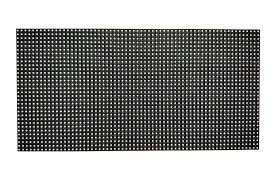
- Brightness: Typical brightness levels range from 250 to 1000 nits (cd/m²), with premium models reaching beyond 1500 nits for outdoor visibility. Achieving uniform luminance across the display panel is essential to prevent hotspotting and uneven light distribution.
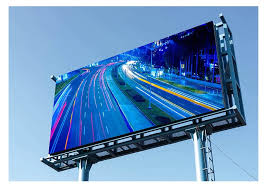
- Contrast Ratio: A high contrast ratio (e.g., 4000:1 or higher) enables deep blacks and vivid colors, heavily influencing the visual quality. Innovations such as local dimming zones have enhanced dynamic contrast substantially.
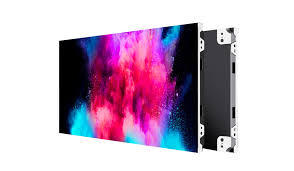
- Color Gamut and Accuracy: Manufacturers increasingly conform to international color standards like sRGB, Adobe RGB, and DCI-P3, ensuring displays can reproduce at least 99% sRGB or over 90% DCI-P3 for accurate and vibrant visuals.
Adhering to industry standards is critical for maintaining reliability and user safety. ISO 9241-307, governing display ergonomics and measurement methods, provides guidelines for brightness uniformity, flicker, and glare, instrumental in designing comfortable-to-view screens.
From a manufacturing perspective, Precision in LED placement on the backlight unit affects luminous uniformity and efficacy. Advances like mini-LED technology, where thousands of small LEDs are used, offer superior local dimming control and higher contrast compared to conventional edge-lit designs.
Thermal management plays a vital role in the durability of LED LCD systems. Excess heat can degrade liquid crystals and LED performance, so incorporating materials with high thermal conductivity and implementing designs such as heat sinks and ventilation slots directly impact lifespan and reliability.
Quality control processes, including automated optical inspection (AOI), electrical testing, and environmental stress screening, are standard industry practices. These processes detect defects like dead pixels, color inconsistencies, or backlight bleeding early, ensuring only compliant units reach the market.
Integration with smart display controllers enhances functionality. Modern LED LCD modules often incorporate advanced ICs that support features such as variable refresh rates, HDR processing, and adaptive brightness, contributing to improved energy efficiency and user experience.
Case studies from leading manufacturers reveal that collaboration with suppliers to secure high-quality raw materials — like IPS TFT panels and high CRI (color rendering index) LEDs — is essential for product excellence. For example, manufacturers leveraging 10-bit color depth panels produce smoother gradients and accept wider color volumes, a noticeable advantage in professional photo editing and medical imaging fields.
Looking forward, research into quantum-dot LED (QLED) backlighting promises even wider color gamuts and higher brightness with improved energy efficiency, underscoring the ongoing evolution of LED LCD technology.
In conclusion, manufacturing top-tier LED LCD screens requires a balance of cutting-edge technology, rigorous adherence to standards, and meticulous process control. Professionals and businesses investing in these technologies must prioritize key technical specifications, robust quality assurance, and innovative material utilization to deliver displays that perform reliably across diverse applications.
Authoritative resources referenced include the International Commission on Illumination (CIE) standards, ISO display ergonomic guidelines, and contemporary white papers from the Society for Information Display (SID). These form the technical foundation guiding best manufacturing practices and screen performance optimization strategies.













