

Small Pixel Pitch LED Displays: Advancing High-Resolution Visual Technology
In the dynamic landscape of digital display technology, small pixel pitch LED displays have emerged as a pivotal advancement, providing unparalleled image clarity, brightness, and seamless viewing experiences. As a professional LED display engineer with extensive experience in manufacturing and technical optimization, this article delves deeply into the principles, specifications, applications, and future trends of small pixel pitch LED displays, underpinned by industry standards and authoritative data.
Understanding Small Pixel Pitch Technology
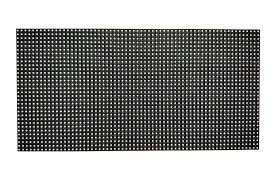
Pixel pitch refers to the distance from the center of one LED pixel to the center of the adjacent pixel, typically measured in millimeters (mm). Smaller pixel pitch values mean closer spacing between LEDs, resulting in higher pixel density and consequently, sharper image resolution. Common pixel pitch sizes for indoor LED displays range from 0.9mm to 2.5mm, with "small pixel pitch" typically defined as 1.5mm or less. Advanced displays are now pushing boundaries to sub-millimeter pitches (0.7mm or even 0.5mm), which are traditionally dominated by LCD screens but now rivaled by LED technology.
Technical Parameters and Performance Metrics
Key technical parameters defining the quality and capabilities of small pixel pitch LED displays include:
- Pixel Density (Pixels per square meter): With pitches as small as 0.9mm, pixel density can exceed 1,234,568 pixels/m², allowing for ultra-high-definition (UHD) visuals.
- Brightness: Small pitch LED panels typically provide brightness levels from 600 to 1200 nits for indoor use; outdoor variants may exceed 2500 nits to combat sunlight glare.
- Contrast Ratio: True black levels and high contrast ratios (>3000:1 in direct-view LED) ensure vibrant and lifelike color reproduction.
- Refresh Rate: High refresh rates (≥3840 Hz) ensure flicker-free, smooth video playback, essential for broadcast and live events.
- Viewing Angle: Up to 160° horizontal and vertical viewing angles guarantee consistent color and brightness from multiple perspectives.
These specifications are compliant with international industry standards such as IEC 62471 for photobiological safety and JEITA guidelines for display performance stability.
Manufacturing Challenges and Quality Assurance
Producing small pixel pitch LED displays demands higher precision in manufacturing due to the dense arrangement of SMD (Surface-Mount Device) LEDs. Challenges include thermal management, signal integrity, and uniformity of brightness and color. To address these, manufacturers utilize advanced PCB (Printed Circuit Board) substrates with enhanced thermal conductivity, sophisticated binning processes to match LED brightness and color temperature meticulously, and fine-pitch driver ICs optimized for minimal latency.
Quality control involves rigorous testing—such as pixel failure rate assessment, color calibration under D65 lighting conditions, and accelerated aging tests—to ensure durability and consistent performance. Industry-recognized suppliers apply ISO 9001 and ISO 14001 quality management systems to maintain high standards.
Applications Across Industries
The versatility of small pixel pitch LED displays enables applications in:
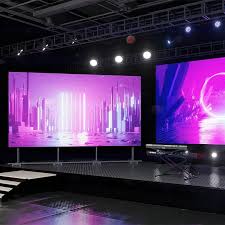
- Broadcast Studios: Seamless video walls with near-invisible pixelation provide an immersive backdrop for live television.
- Corporate Environments: High-resolution displays for conference rooms and control centers increase visualization accuracy.
- Retail and Advertising: Sharp, vibrant visuals capture consumer attention even at close viewing distances.
- Healthcare and Education: Medical imaging and interactive learning demand precise color fidelity and clarity.
A prominent case study is the deployment of a 0.9mm LED video wall for a global financial institution's trading floor, which resulted in enhanced data visibility and quicker decision-making.
Future Trends and Innovations
The evolution of small pixel pitch displays is fostered by developments in MicroLED technology, enabling even higher resolution, lower power consumption, and superior brightness compared to traditional LEDs. Innovations in driver IC design and cabling techniques reduce latency and integration complexity, paving the way for seamless integration with emerging AR/VR devices.
Moreover, combining AI-based calibration tools improves real-time color correction and adaptive brightness control, tailored to ambient lighting conditions. Industry forecasts predict compound annual growth rates (CAGR) of over 15% for the small pixel pitch segment by 2028, driven by increasing demand in high-end visualization markets.
Conclusion
Small pixel pitch LED displays represent the forefront of digital display innovation, harmonizing advanced manufacturing, precise engineering, and stringent quality control to deliver superior visual experiences. Their expanding application across sectors underscores their significance as a cornerstone technology in the age of high-definition digital communication.
For professionals and businesses aiming to harness cutting-edge display capabilities, investing in small pixel pitch LED technology, compliant with international quality and safety standards, is essential to remain competitive and future-ready.
References:
- International Electrotechnical Commission (IEC) 62471: Photobiological Safety
- Japan Electronics and Information Technology Industries Association (JEITA) standards
- DisplaySearch, 2023 LED Market Forecast
- Case studies from Samsung Electronics and Leyard Optoelectronics













