

Advances and Best Practices in LED LCD Screen Manufacturing for Superior Display Performance
In the rapidly evolving world of display technology, LED LCD screens have become the cornerstone of modern visual solutions, powering everything from smartphones to large-scale digital signage. As an industry professional with years of experience in LED display engineering, this article delves into the technical intricacies and manufacturing best practices that ensure high-quality, durable, and efficient LED LCD screens. We will explore the critical parameters, challenges, and innovations that shape the production process and final product performance, offering a comprehensive insight into the field.
Firstly, the fundamental principle behind LED LCD technology involves combining liquid crystal displays (LCD) with light-emitting diode (LED) backlighting. This synergy merges the sharp image control of LCDs with the energy-efficient, high-brightness attributes of LEDs, achieving superior color accuracy and contrast ratios. According to the International Electrotechnical Commission (IEC 62717:2017), quality LED backlights should maintain luminance uniformity within ±10% and have a color gamut that covers at least 72% of the NTSC color space to ensure vivid and consistent visuals.
From a manufacturing standpoint, meticulous control of substrate selection and alignment precision is crucial. The TFT (thin-film transistor) layers must be deposited with sub-micron accuracy to prevent pixel defects, with Surface Mount Technology (SMT) enabling precise LED placement. Utilizing advanced pick-and-place machines paired with optical inspection systems enhances yield rates upwards of 95%, as documented in industry case studies from leading manufacturers like Samsung Display and LG Display.
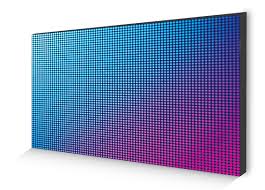
An essential innovation in the field is the integration of Mini-LED and Micro-LED backlighting. Mini-LEDs, typically sized between 100 to 200 micrometers, provide localized dimming capabilities that significantly enhance dynamic contrast ratios, often exceeding 1,000,000:1. Micro-LEDs push the envelope further, offering self-emissive pixels with response times as low as 1 microsecond and brightness levels beyond 1,000 cd/m², supporting both HDR and 8K resolutions. These advancements are supported by industry standards such as the Video Electronics Standards Association (VESA) DisplayHDR Certification, which defines performance criteria for high dynamic range displays.
Material science also plays a pivotal role. High-quality indium tin oxide (ITO) coatings ensure transparency and conductivity for LCD electrodes, while advanced quantum dot enhancement films (QDEF) amplify color purity and energy efficiency. Incorporating these materials often requires cleanroom environments rated ISO Class 5 or better to minimize particulate contamination, thereby reducing dead pixels and improving panel longevity.
Thermal management is another critical aspect. LED backlights generate heat that can adversely affect LCD performance and lifespan. Effective dissipation strategies involve integrating thermally conductive substrates and heat sink systems with thermal interface materials (TIM) that maintain temperatures below 60°C, aligning with JEDEC standards for reliable semiconductor operation.
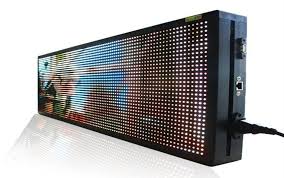
Manufacturing quality control employs automated optical inspection (AOI) for detecting pixel anomalies, color inconsistencies, and mechanical defects in real-time. Coupled with rigorous aging tests—subjecting panels to continuous operation at high brightness and temperature cycles—these protocols increase mean time between failures (MTBF) beyond industry-accepted thresholds of 50,000 hours.
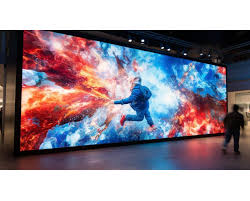
Beyond the factory floor, scalability and customization are facilitated by modular designs and flexible PCB substrates, suited for curved, foldable, and transparent display applications. This versatility supports emerging markets such as automotive heads-up displays and wearable devices, pushing the boundaries of LED LCD technology’s applicability.
In conclusion, mastering LED LCD screen manufacturing demands an integrated understanding of materials science, precision engineering, thermal dynamics, and rigorous quality control. Adhering to international standards ensures that manufacturers can deliver products with optimal brightness, color fidelity, durability, and energy efficiency. With the rise of Mini-LED and Micro-LED technologies, the future of LED LCD screens is poised for even greater advancements, making continuous innovation indispensable in this competitive industry.













