

Advanced LED Display Technology: Practical Applications, Advantages, Common Challenges, and Emerging Trends
In the rapidly evolving world of display technology, LED (Light Emitting Diode) displays have become the cornerstone of modern visual communication. As a professional LED display engineer with extensive industry experience, this article delves into the practical applications, advantages, prevalent challenges, and the latest technological trends in LED display manufacturing, aiming to provide an authoritative and comprehensive overview suitable for an international audience.
Practical Applications of LED Displays
LED displays are omnipresent across various sectors due to their versatility, brightness, and energy efficiency. Their practical uses span from large-scale outdoor advertising billboards and stadium screens to indoor digital signage in retail, transportation hubs, corporate settings, and control rooms. The entertainment industry extensively employs LED walls for concerts and live events, offering high-resolution, vibrant visuals even in ambient daylight. In addition, LED technology plays a crucial role in traffic management systems, airport information screens, and emergency notification systems, where clear visibility and durability are paramount.
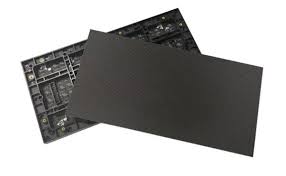
Advancements in transparent LED displays have opened avenues in architectural glass applications, enabling dynamic advertising without obstructing natural light. Curved and flexible LED panels have ushered in innovative design possibilities for immersive experiences, notably in museums and exhibition spaces.
Core Advantages of LED Displays
LED displays boast numerous advantages that position them above traditional LCD and projection technologies:
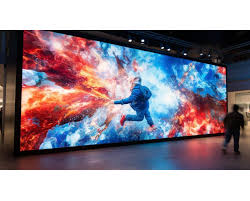
- High Brightness and Contrast: Typical LED modules deliver brightness levels exceeding 1,000 nits for indoor displays and up to 6,000 nits or higher for outdoor installations. This ensures readability under direct sunlight (International Electrotechnical Commission standard IEC 62087).
- Wide Viewing Angles: LEDs offer viewing angles up to 160 degrees horizontally and vertically, maintaining image integrity from diverse perspectives.
- Long Lifespan and Reliability: Well-engineered LED displays typically exhibit operational lifetimes of 50,000 to 100,000 hours, backed by rigorous quality control and thermal management.
- Energy Efficiency: With low power consumption relative to brightness, LEDs reduce operational costs and environmental footprint.
- Color Accuracy and Refresh Rates: Advanced LED displays can achieve refresh rates over 3,840 Hz, necessary for broadcast-quality visuals without flicker, and deliver wide color gamuts adhering to Rec. 709 and DCI-P3 standards.
Common Challenges and Solutions
Despite their benefits, LED display systems encounter technical and operational challenges:
- Pixel Failure and Dead LEDs: Over time, individual LEDs may fail affecting uniformity. Implementing modular designs and automated calibration systems allows quick module replacement and pixel correction without extensive downtime.
- Thermal Management: Continuous operation generates heat, affecting longevity and performance. Proven solutions include integrating heat sinks, active cooling fans, and using materials with high thermal conductivity like aluminum in chassis design.
- Seamless Video Stitching: Especially in large video walls, visible seams can disrupt image continuity. Advances in processing algorithms and micro-pitch LED technology, with pitches below 1 mm (MicroLED), mitigate this issue effectively.
- Installation and Maintenance Costs: Initial capital expenditure can be high, but the total cost of ownership is reduced by longevity and lower maintenance. Emerging modular construction techniques and standardized protocols like DALI (Digital Addressable Lighting Interface) improve integration and serviceability.
Emerging Trends in LED Display Technology
The LED display industry is witnessing transformative trends that enhance performance and expand application scenarios:
- Mini-LED and MicroLED Technologies: These developments drastically reduce pixel pitch to sub-millimeter levels, enabling true seamless high-resolution large-format displays. MicroLEDs also improve energy efficiency and contrast ratios, rivaling OLED performance with better durability (Journal of the Society for Information Display, 2023).
- Smart Integration and IoT Connectivity: Modern LED displays are integrated with IoT platforms allowing remote monitoring, predictive maintenance, and dynamic content management through AI-driven analytics, critical for digital out-of-home (DOOH) advertising effectiveness.
- Flexible and Transparent LED Panels: Innovations in flexible substrates and transparent LED modules enable novel display forms in automotive HUDs (Head-Up Displays), wearable devices, and architectural glazing, blending technology with design.
- Sustainability Focus: Manufacturers are prioritizing eco-friendly materials and processes, including using recyclable components and reducing hazardous substances in compliance with RoHS (Restriction of Hazardous Substances Directive).
- Improved Human-Centric Design: High dynamic range (HDR) capabilities, reduced blue light emissions, and flicker-free technology address viewer comfort and health, critical for prolonged exposure scenarios.
To conclude, LED displays remain at the forefront of visual solutions due to their adaptability, advanced performance parameters, and continuous innovation. Their deployment across diverse sectors is expected to grow, powered by advances like MicroLED, smart connectivity, and sustainable engineering practices, providing increasingly immersive and efficient viewing experiences.
For professionals in this field, staying abreast of the latest materials science innovations, control system advancements, and global standards such as IEC 62368-1 for safety and IEC 62471 for photobiological safety is essential to ensure the design and manufacture of reliable, high-quality LED display systems fit for today's dynamic environments.













