

Magic Cube LED Display: Revolutionizing Visual Communication with 3D LED Technology
The Magic Cube LED display represents a groundbreaking innovation in the LED display industry, merging cutting-edge 3D technology with vibrant LED visuals to transform how content is presented and experienced. As a professional LED display engineer with years of expertise in LED manufacturing and installation, I will explore the technical underpinnings, practical applications, and future outlook of Magic Cube LED displays, making clear why this technology is becoming a preferred choice for advertisers, event organizers, and smart city planners worldwide.
Understanding Magic Cube LED Displays
At its core, a Magic Cube LED display is a multi-faceted 3D LED panel system that forms a cubic structure, typically comprising LED modules on all visible faces. Unlike conventional flat LED screens, these cubes offer a 360-degree viewing angle, enabling immersive content delivery from multiple perspectives simultaneously.
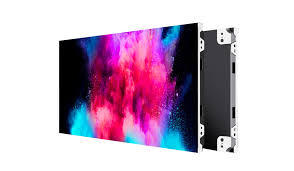
Key technical parameters defining a Magic Cube LED display include:
- Pixel Pitch: Most Magic Cube displays utilize a pixel pitch ranging from 1.5mm to 3mm, ensuring high resolution and fine image detail in close viewing distances.
- Brightness: These displays achieve brightness levels upwards of 1200-1500 nits, essential for outdoor installations and environments with strong ambient light.
- Refresh Rate: With refresh rates generally exceeding 1920Hz, the displays are flicker-free, crucial for broadcast-quality visuals and smooth motion rendering.
- Viewing Angle: A typical horizontal and vertical viewing angle of 140° or more ensures visual clarity and uniformity across multiple observers.
- Control System: Advanced control units integrate content management software capable of synchronizing complex 3D video, animations, and interactive features dynamically.
Material and Manufacturing Excellence
Magic Cube displays employ high-grade SMD (Surface Mounted Device) LED technology, commonly using 3-in-1 SMD LEDs (such as SMD2121 or SMD1515) for precise color reproduction and energy efficiency. Structural components are fabricated from lightweight aluminum alloy to guarantee robustness while reducing weight for easy installation and maintenance.
Industry-standard IP65 or higher ingress protection ratings make them suitable for both indoor and outdoor environments. Thermal management systems leveraging passive heat sinks and optimized airflow maintain operational stability, extending display lifespan.
Applications and Case Studies
Magic Cube LED displays have seen diverse applications across multiple sectors:
- Advertising and Marketing: Major urban hubs like Times Square (New York) and Shibuya Crossing (Tokyo) have implemented Magic Cube installations to captivate pedestrian attention with dynamic advertisements that can be viewed from multiple directions.
- Events and Entertainment: Concerts and exhibitions use Magic Cubes for immersive stage backdrops, enabling synchronized 3D content that enhances audience engagement.
- Smart Cities and Public Spaces: Municipalities incorporate these displays into interactive information kiosks, providing real-time updates and augmented reality experiences.
A notable case study is the "Cube Dream" installation at the Dubai Expo 2020, featuring a large-scale Magic Cube that combined real-time data visualization with artistic motion graphics, illustrating the versatility and appeal of this technology.
Technical Challenges and Innovations
Despite its advantages, the Magic Cube LED display presents specific engineering challenges such as:
- Content Mapping: Developing content that seamlessly wraps around multiple cube faces requires sophisticated 3D mapping algorithms and content optimization. Leading software platforms like NovaStar’s LED Studio and Brompton Technology’s Tessera offer solutions tailored for cube configurations.
- Power Consumption: Multi-face LED structures consume considerable power. Innovations in energy-efficient LEDs and smart power distribution networks help reduce operational costs.
- Maintenance Access: Since modules are mounted on multiple sides, maintenance protocols incorporate modular design and quick-release mechanisms for efficient serviceability.
Future Outlook
The evolution of Magic Cube LED technology aligns with growing global trends emphasizing experiential marketing and immersive environments. Advances in micro-LED and mini-LED technologies promise even higher brightness, finer pixel pitches, and lower energy consumption for these displays.
Integration with AI-driven content personalization and IoT connectivity will further enhance functionality, enabling adaptive content based on audience behavior and environmental factors.
Conclusion
Magic Cube LED displays stand at the forefront of visual communication innovation, merging technical sophistication with creative versatility. For industry professionals and end-users seeking impactful display solutions, embracing Magic Cube technology offers a distinct competitive advantage by delivering dynamic, multidimensional visual experiences unmatched by traditional flat screens.
Incorporating these displays requires in-depth technical knowledge, adherence to international standards such as IEC 62368 for safety, and collaboration with content creators adept in 3D visualization. As the demand for distinctive, high-impact digital signage grows, Magic Cube LED displays are set to play a pivotal role in shaping the future of LED display technology.
References:
1. IEC 62368-1:2018 – Safety requirements for audio/video, information and communication technology equipment.
2. NovaStar LED Studio Software Documentation – https://www.novastar.tech/
3. Brompton Technology Tessera Processing Solutions – https://www.bromptontech.com/
4. “LED Display Technology Trends,” Journal of Display Technology, IEEE, 2023.
5. Dubai Expo 2020 Case Study, LED Magazine, 2021.













