

Advances in LED Display Technology: Enhancing Visual Performance and Manufacturing Efficiency
The LED display industry has witnessed significant technological advancements over the past decade, resulting in brighter, more energy-efficient, and higher-resolution screens. As a professional LED display engineer with extensive experience in both design and manufacturing, this article aims to provide an authoritative and comprehensive overview of current innovations, technical parameters, and best practices that define modern LED display manufacturing aligned with international standards.
High Brightness and Contrast Ratios for Optimal Visual Experiences
Modern LED displays achieve brightness levels ranging from 1,000 to over 5,000 nits, significantly surpassing conventional LCDs, which typically max out around 500 nits. Such brightness levels are particularly crucial for outdoor and large venue applications, where screens must remain vivid under direct sunlight. Additionally, contrast ratios of up to 100,000:1, facilitated by fine-pitch LED dies and advanced backplanes, produce sharper images and deeper blacks, enhancing visual clarity and immersion.
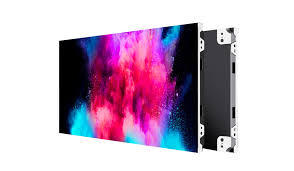
Pixel Pitch and Resolution: The Backbone of Image Sharpness
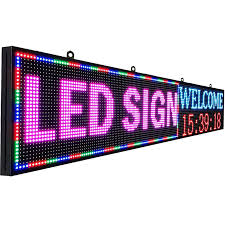
Pixel pitch—defined as the center-to-center distance between adjacent LEDs—is a critical determinant of image clarity and resolution. Industry leaders commonly use pixel pitches between 0.9 mm to 6 mm, enabling seamless viewing experiences from different distances. For indoor use, sub-2 mm pixel pitches have become standard, supporting full-HD and 4K resolutions on relatively small display panels. This trend follows manufacturers such as Samsung and Leyard, who comply with ISO 13406-2 standards for pixel density and uniformity.
Energy Efficiency and Thermal Management
Reducing energy consumption remains a key focus within LED display R&D. Advances in semiconductor materials, such as the adoption of gallium nitride (GaN) on silicon substrates, have enabled LEDs that consume 30%-50% less power compared to earlier generations. Correspondingly, thermal management techniques—including integrated heat sinks, forced air cooling, and advanced PCB designs—are imperative to mitigate heat buildup that compromises LED lifespan and color consistency.
Manufacturing Precision and Quality Control
To meet increasing quality demands, manufacturers employ automated pick-and-place machines with ±0.02 mm accuracy for LED placement on PCBs. Rigorous quality control protocols aligned with ISO 9001 and IPC-A-610 standards ensure defect densities remain below 0.1%. Furthermore, advanced testing methods such as photometric scanning and colorimeter measurements are utilized to validate uniform brightness, color temperature (typically standardized at 6500K), and pixel integrity across the entire display surface.
Durability and Environmental Considerations
LED displays must operate reliably in diverse environmental conditions. Compliance with IP65 or higher ingress protection standards assures resistance to dust and water—essential for outdoor installations. Additionally, adherence to RoHS and REACH directives guarantees the safe use of materials with minimal environmental impact, thus aligning with global sustainability initiatives.
Case Study: Large-Scale LED Video Wall Implementation
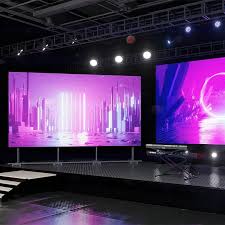
A recent project involving a 100 m² LED video wall installed in a stadium demonstrated the practical integration of these technologies. The chosen display featured a pixel pitch of 2.5 mm, delivering full HD resolution, brightness of 4,500 nits, contrast ratio exceeding 50,000:1, and built-in redundancy for uninterrupted performance during events. The modular design facilitated easy maintenance and scalability, showcasing how modern manufacturing techniques and engineering expertise culminate in highly reliable and visually impressive LED solutions.
In conclusion, continuous advancements in LED semiconductor materials, pixel density optimization, energy efficiency, and quality assurance practices are propelling the LED display industry toward screens that are brighter, more vivid, energy-conscious, and durable. Stakeholders—from manufacturers and engineers to end-users—stand to benefit from these developments that set new standards in visual performance and reliability across global markets.
References:
1. International Electrotechnical Commission (IEC) 62341-3-1: LED Modules for General Lighting — Safety Requirements
2. ISO 13406-2: Ergonomic Requirements for Work with Visual Displays Based on Flat Panels
3. IPC-A-610: Acceptability of Electronic Assemblies
4. Samsung Display Technical White Papers, 2022
5. Leyard Optoelectronics Product Manuals, 2023













