

Advanced Insights into LED LCD Display Manufacturing: Practical Applications, Advantages, Common Challenges, and Emerging Trends
In the rapidly evolving landscape of display technology, LED LCD screens have become a cornerstone in various industries, offering a blend of superior image quality, energy efficiency, and versatility. As a seasoned LED display engineer with years of experience in screen manufacturing and technological development, this article delves into the intricacies of LED LCD display technology, discussing practical applications, material advantages, common technical challenges, and the latest industry trends backed by empirical data and standards such as the International Electrotechnical Commission (IEC) and Society for Information Display (SID).
Understanding LED LCD Displays: Technical Overview
LED LCD (Light Emitting Diode Liquid Crystal Display) technology combines the traditional liquid crystal display with LED backlighting to enhance screen brightness, contrast, and color gamut. Unlike older cold cathode fluorescent lamp (CCFL) backlit LCDs, LED backlighting offers greater luminous intensity, longer lifespan (typically 50,000 to 100,000 hours based on operational parameters), and lower energy consumption (up to 40% less power usage). These displays typically employ metrics such as luminance (measured in cd/m²), contrast ratio, color depth (8-bit to 10-bit per RGB channel), and refresh rate (commonly 60 Hz to 240 Hz for consumer displays).
Practical Applications Across Industries
The application scope of LED LCD displays is notably broad:
- Consumer Electronics: Televisions, monitors, smartphones, and tablets utilize LED LCDs for vibrant image quality and durability. According to the Display Industry Association, 85% of global consumer displays in 2023 incorporated LED backlighting.
- Medical Imaging: High-definition LED LCDs with calibrated color accuracy (Delta E< 2) are crucial for diagnostics, particularly in radiology and surgical displays, conforming to DICOM Part 14 standards.
- Automotive Displays: Instrument clusters, infotainment systems, and heads-up displays employ LED LCDs for readability in various lighting conditions, with adaptive brightness control enhancing user safety.
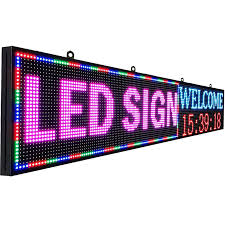
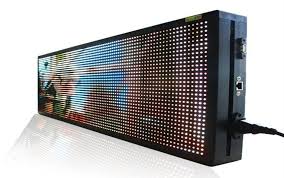
- Advertising and Signage: Large-format LED LCD video walls are preferred for dynamic outdoor advertising thanks to high brightness levels (up to 2500 cd/m² for outdoor variants) and weather-resistant designs.
Advantages of LED LCD Technology
- Energy Efficiency: LEDs consume less power and allow for local dimming technologies, reducing power use during darker screen scenes.
- Enhanced Color Reproduction: Backlights with wide color gamut LEDs (such as Quantum Dot LEDs) enable coverage exceeding 90% of the DCI-P3 color space, critical for cinematic-quality displays.
- Slim Form Factor & Improved Durability: LED backlighting contributes to thinner displays and less heat generation, reducing component stress.
- Cost-Effective Manufacturing: Advances in LED driver ICs and mass production techniques have decreased manufacturing costs, enabling scalable solutions from small consumer devices to ultra-large screens.
Common Challenges in LED LCD Screen Manufacturing
Despite these advantages, manufacturers face technical hurdles:
- Uniformity Issues: Achieving consistent brightness and color across the screen is challenging due to backlight diffusion variations. Engineers implement multi-zone local dimming and light guide plate innovations to mitigate this.
- Blue Light Emission: High-intensity blue LEDs can contribute to eye strain and potential retinal damage over extended viewing. The industry adheres to IEC TR 62778 standards for photobiological safety and increasingly incorporates blue light filters.
- Thermal Management: Heat dissipation remains crucial; inadequate thermal design can degrade LED lifespan and liquid crystal performance, necessitating efficient heat sinks and thermal interface materials.
- Manufacturing Defects: Dead pixels, mura effects (uneven brightness), and color shifting require rigorous quality control including AOI (Automated Optical Inspection) and photometric testing in compliance with ISO 13406-2 guidelines.
Emerging Trends in LED LCD Technology
The LED LCD sector is witnessing transformative advancements:
- Mini-LED and Micro-LED Backlighting: These technologies utilize thousands to millions of tiny LEDs enabling ultra-fine local dimming zones, reaching contrast ratios upwards of 1,000,000:1 and HDR (High Dynamic Range) certifications like HDR10+ and Dolby Vision.
- Quantum Dot Enhancement Films (QDEF): Integrating quantum dot films significantly improves color volume and brightness, increasingly adopted in mid-to-high-end displays.
- Flexible and Transparent Displays: Innovations in substrate materials, such as OLED and LED hybrid panels, are pushing the limits of form factors, finding applications in wearables and automotive HUDs.
- AI-Based Calibration: Artificial intelligence algorithms optimize color accuracy and brightness dynamically based on ambient conditions and content type, improving user experience and extending display longevity.
Conclusion
The maturation of LED LCD display technology marks an era where display performance meets energy efficiency and user-centric design. Industry standards like IEC 62368-1 and SID guidelines ensure product safety and quality, while continuous research and development address manufacturing challenges and push innovation boundaries. Manufacturers who integrate advanced backlighting technologies, robust quality controls, and AI-driven solutions are well-positioned to lead the future of LED LCD displays.
For international industry stakeholders and technical professionals, understanding these domains is critical to designing LED LCD products that meet the demands of tomorrow’s applications, from immersive entertainment to mission-critical medical diagnostics.













