

Advanced Manufacturing Techniques and Quality Standards in LED LCD Screen Production
In the rapidly evolving landscape of display technology, LED LCD screens have become a cornerstone in numerous applications ranging from consumer electronics to professional visual systems. As a professional LED display engineer, it is imperative to understand the manufacturing techniques, quality controls, and industry standards that underpin high-performance LED LCD screens, ensuring longevity, reliability, and superior visual experience.
Manufacturing Process of LED LCD Screens
The production of LED LCD screens involves intricate integration of LED backlighting units with liquid crystal display panels. Unlike traditional CCFL backlighting, LED backlighting provides enhanced energy efficiency, superior brightness, and better color rendering. The manufacturing process begins with selecting high-quality LED chips — typically InGaN blue LEDs combined with phosphors for white light generation. Choosing chips from reputable manufacturers such as Nichia or Osram guarantees a base level of color stability and lifespan.
The core assembly phase involves:
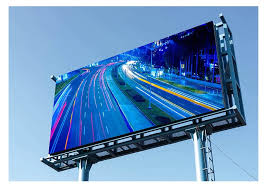
- Backlight Module Assembly: Utilizing precision-placed LED arrays ensures uniform luminance. Employing light guide plates (LGP) crafted with microstructures distributes LED light evenly across the LCD panel.
- Liquid Crystal Panel Integration: The LCD panel, composed of two glass substrates sandwiching liquid crystal molecules, requires exact cell gap control (usually 3-5 microns). This cell gap is critical for maintaining optimal optical performance and contrast ratios.
- Polarizer and Diffuser Films Application: High-efficiency polarizers and diffusers enhance image clarity and reduce glare.
Quality Control and Testing Procedures
Adhering to stringent industry standards such as ISO 9241-307 for visual ergonomics and UL 8750 for LED safety is essential. Comprehensive quality control includes:
- Color Calibration and Uniformity Testing: Using spectrophotometers to measure RGB balance and ensure Delta E values remain below 2 for color accuracy.
- Luminance and Contrast Ratio Assessments: Employing luminance meters to maintain brightness levels typically above 300 cd/m² for consumer displays, with contrast ratios exceeding 1000:1.
- Reliability Testing: Thermal cycling, humidity resistance, and mechanical shock tests simulate real-world conditions to confirm durability. LED backlights are often tested to reach at least 50,000 hours of operational lifespan.
- Electromagnetic Compatibility (EMC) Compliance: Ensures that the device does not emit or suffer from electromagnetic interference, critical for integrating displays in sensitive environments.
Advanced Technologies Enhancing LED LCD Performance
Recent industry advancements have focused on the integration of quantum dot enhancement films (QDEF) which significantly expand the color gamut, achieving up to 90% of the DCI-P3 standard. Furthermore, local dimming techniques subdivide the LED backlight into zones, enhancing contrast and dynamic range.
Another vital development is the use of high refresh rate panels often coupled with LED backlights capable of pulse-width modulation (PWM) dimming to reduce eye strain, which is gaining traction in gaming and professional applications.
Case Study: Implementation in Medical Imaging
A notable application of these manufacturing principles is in medical-grade LED LCD monitors. These displays must comply with IEC 62563-1, ensuring diagnostic image fidelity. Utilizing high-precision backlighting and stringent calibration, these monitors support accurate grayscale rendering and consistent brightness over prolonged periods, critical for radiology and surgical planning.
Conclusion
The manufacturing of LED LCD screens is a complex interplay of advanced materials, precision engineering, and rigorous quality assurance protocols. By adhering to globally recognized standards and integrating cutting-edge technologies, manufacturers can produce displays that deliver exceptional visual performance and reliability. Continuous innovation, such as incorporating quantum dots and enhancing local dimming, is driving the LED LCD screen industry forward into new levels of image quality and application versatility.
For professionals and enterprises investing in LED LCD displays, understanding these detailed manufacturing and testing frameworks not only ensures product excellence but also facilitates long-term success in highly competitive markets.













