

Advanced Insights into LED LCD Screen Manufacturing: Technical Parameters and Industry Best Practices
In the evolving landscape of visual display technology, LED LCD screens have emerged as a leading choice for a wide range of applications, from consumer electronics to large-scale digital signage. As a professional LED display engineer with years of industry expertise, this article delves into the technical parameters, manufacturing intricacies, and industry best practices essential for producing high-performance LED LCD screens.
Understanding LED LCD Technology
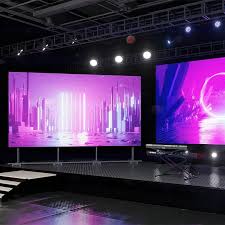
LED LCD screens combine liquid crystal display (LCD) technology with light-emitting diodes (LEDs) as a backlight source. Unlike traditional cold cathode fluorescent lamp (CCFL) backlighting, LED backlights provide superior brightness, contrast, and energy efficiency. This integration allows the screen to offer vivid colors, deeper blacks, and thinner profiles, critical for both commercial and consumer demands.
Key technical advantages of LED backlighting include:
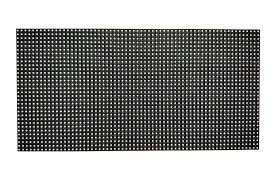
- Higher brightness levels: Typically ranging from 300 cd/m² to over 1500 cd/m², enabling clear visibility in diverse lighting environments.
- Improved color gamut: Achieving up to 100% sRGB or more, supporting accurate color reproduction required in professional applications such as medical imaging and graphic design.
- Enhanced contrast ratios: Ranging from 1000:1 in standard models to over 5000:1 in advanced local dimming units, significantly improving image depth.
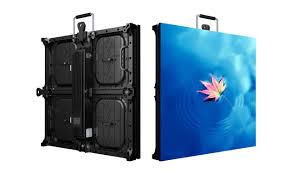
- Energy efficiency: LED technology reduces power consumption by approximately 30-50% compared to CCFL, complying with Energy Star and EPEAT standards.
Manufacturing Process Overview
The manufacturing of LED LCD screens involves several meticulous steps, each contributing critically to the final product’s quality and reliability.
1. Glass Substrate Preparation: High-precision glass panels sourced with ultrafine flatness tolerances (often within ±5 microns) provide the foundation for liquid crystal alignment.
2. Indium Tin Oxide (ITO) Layer Deposition: This transparent conductive layer is sputtered onto the glass, with sheet resistances typically maintained below 10 Ω/sq to ensure uniform electric field distribution.
3. Liquid Crystal Layer Injection: The alignment layers and spacers control the liquid crystal's molecular orientations. Cell gap precision is maintained at approximately 3-5 microns.
4. Backlight Assembly: High-quality LED arrays are arranged in either edge-lit or direct-lit configurations. Manufacturers commonly specify LED color temperature around 6500K (neutral white) with a uniformity exceeding 85%.
5. Driver Electronics Integration: Industry-standard display drivers, such as the MIPI DSI interface and timing controllers (TCON), manage signal processing with response times below 10 ms to reduce motion blur.
6. Quality Control & Testing: Comprehensive evaluations include luminance uniformity testing (>90% uniformity), color calibration using spectroradiometers, and lifespan testing targeting over 50,000 hours of continuous operation.
Technical Challenges and Solutions
Achieving optimal display quality involves addressing several challenges:
- Heat Dissipation: LED arrays generate localized heat, which can impact liquid crystal stability and drive electronics. Implementing effective thermal management using aluminum backplates and heat sinks aligned with JEDEC standards (e.g., JESD51) prolongs lifespan and maintains performance integrity.
- Backlight Bleed Mitigation: Uniform diffusion layers and mini-LED technologies help minimize light leakage, enhancing contrast ratios especially in dim environments.
- Color Consistency Across Panels: Advanced color calibration techniques, including 3D Look-Up Table (LUT) corrections and factory-level color profiling, ensure minimal delta E (<2) variations, resulting in professional-grade color fidelity.
Industry Standards Compliance
Adhering to international standards fosters reliability and consumer trust. Key standards include:
- IEC 62676-1: Specifies requirements for performance and safety in display devices, particularly applicable for security and surveillance applications.
- ANSI/NEMA FL 1: Defines light output and performance metrics relevant to LED backlights.
- RoHS and REACH: Ensuring compliance with hazardous substance restrictions to meet global environmental regulations.
Case Studies
A recent implementation in a transportation hub used direct-lit LED LCD panels with 1200 cd/m² brightness and local dimming capabilities. The displays withstood high ambient light and continuous operation exceeding 40,000 hours, demonstrating exceptional durability and visibility.
Another example involves a medical diagnostics firm that adopted LED LCD screens with a color gamut surpassing 99% AdobeRGB and calibration accuracy within delta E 1.5. The enhanced color precision significantly improved diagnostic accuracy, conforming to DICOM Part 14 standards.
Conclusion
The manufacture of LED LCD screens is a complex integration of advanced material science, electronic engineering, and stringent quality controls. Staying informed about the latest developments in LED backlighting, calibration technologies, and compliance standards is essential for engineers and manufacturers aiming to deliver superior display products. With continual innovations, LED LCD screens will maintain their leadership in brightness, efficiency, and image quality across industries worldwide.













