

Advanced LED LCD Screen Manufacturing: Insights, Applications, and Industry Trends
In the rapidly evolving display technology landscape, LED LCD screens remain a cornerstone for applications ranging from consumer electronics to industrial and digital signage. As an experienced LED display engineer, I aim to provide an authoritative and comprehensive overview of LED LCD screen manufacturing, emphasizing practical applications, advantages, common challenges, and the latest industry trends.
Understanding LED LCD Screen Technology
LED LCD screens integrate Light Emitting Diode (LED) backlighting with Liquid Crystal Display (LCD) panels. Unlike traditional Cold Cathode Fluorescent Lamp (CCFL) backlights, LED backlighting offers enhanced brightness, energy efficiency, and color accuracy. The LCD panel controls pixel-level light modulation via liquid crystals oriented between polarized filters, providing sharp image clarity and high resolution.
Key technical parameters for LED LCD manufacturing include:
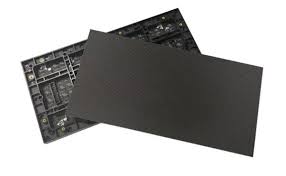
- Resolution: Ranges from HD (1280x720) to 8K (7680x4320), with 4K (3840x2160) becoming standard in premium devices.
- Refresh Rate: Typically 60Hz to 240Hz, supporting smooth motion display critical in gaming and professional video.
- Brightness: Measured in nits; commercial-grade models often exceed 500 nits for outdoor readability, while consumer-grade screens range from 250 to 400 nits.
- Contrast Ratio: High contrast ratios above 1000:1 improve color depth and image sharpness.
- Color Gamut: Support for wider gamuts such as Adobe RGB and DCI-P3 enhances color accuracy and reproduction.
Practical Applications of LED LCD Screens
LED LCD screens are ubiquitous across diverse sectors:
- Consumer Electronics: Television sets, monitors, laptops, tablets, and smartphones benefit from LED LCD technology’s low power usage and thin design. For instance, OLED remains a competitor, but LED LCDs dominate due to cost-effectiveness and brightness.
- Digital Signage and Advertising: Dynamic billboards and interactive kiosks utilize large-format LED LCD panels for high visibility in various lighting conditions, enabled by robust backlighting and durability.
- Medical Imaging: Precise color representation and high contrast ratios are essential for diagnostic monitors used in radiology and surgery, making LED LCDs ideal.
- Industrial and Aviation Displays: High reliability and resistance to environmental factors are critical. LED backlighting's long lifespan and thermal stability empower these applications.
- Automotive Head-Up Displays (HUDs): Emerging integration of LED LCD technology provides sharp, high-contrast imagery projected on windscreens, enhancing driver awareness.
Advantages of LED LCD Technology
- Energy Efficiency: LED backlights consume up to 40% less power than CCFL, aligning with global energy-saving regulations such as Energy Star and RoHS directives.
- Slim Form Factor: LED modules enable thinner panels, assisting in the miniaturization of devices.
- Longer Lifespan: LEDs provide over 50,000 operating hours, reducing maintenance and replacement costs compared to fluorescent backlights.
- Improved Color and Brightness Control: Local dimming capability in LED arrays allows high dynamic contrast and reduced light leakage, boosting visual quality.
- Environmental Benefits: LEDs contain no mercury and generate less heat, contributing to safer manufacture and disposal.
Common Challenges and Solutions
Despite the advantages, LED LCD screen manufacturing faces several technical challenges:
- Backlight Uniformity: Inconsistencies can cause areas of dimming or bright hotspots. Manufacturers employ advanced optical films and diffuser layers (e.g., dual brightness enhancement film DBEF) to homogenize light distribution.
- Response Time Limitations: LCD pixels inherently have slower response times than OLED or MicroLED, causing motion blur in fast-moving images. Innovations such as Overdrive Technologies accelerate crystal switching.
- Color Shift at Viewing Angles: Wide viewing angles can lead to color distortion. Advanced panel technologies like In-Plane Switching (IPS) and Vertical Alignment (VA) achieve better viewing consistency.
- Thermal Management: Intense backlight arrays generate heat affecting lifespan and color stability. Employing efficient heat sinks and active cooling prolongs operational integrity.
- Manufacturing Yield and Quality Control: High pixel density and complex assembly require rigorous quality assurance standards such as ISO 9001 and IPC-A-600 to minimize defects and ensure longevity.
Latest Trends in LED LCD Screen Manufacturing
The industry continues to innovate at a rapid pace, guided by emerging market demands and technological advancements. Key trends include:
- Mini-LED and MicroLED Backlighting: Mini-LED technology, characterized by tens of thousands of small LEDs enabling ultra-local dimming zones, significantly enhances contrast ratios and brightness uniformity. MicroLEDs, though more expensive, promise self-emissive pixels with superior efficiency and lifespan over conventional LEDs.
- Flexible and Transparent Displays: Advances in substrate materials and LED integration techniques expand use cases into wearables, automotive glass, and augmented reality devices.
- Quantum Dot Enhancement Layers (QDEL): Incorporating quantum dots into LED LCD panels vastly improves color accuracy and brightness by precisely converting LED wavelengths.
- AI-driven Calibrations: Machine learning algorithms calibrate color and brightness automatically during manufacturing and field use, maintaining optimal display performance over the device lifecycle.
- Sustainability Initiatives: Manufacturers increasingly adopt eco-friendly materials, reduce hazardous substances, and optimize production for minimal waste in compliance with EU’s WEEE Directive and other environmental regulations.
Conclusion
The manufacturing of LED LCD screens represents a complex interplay of optical engineering, materials science, and precision electronics, delivering versatile high-performance displays integral to modern life. By addressing practical deployment scenarios, understanding inherent advantages and challenges, and embracing emerging innovations such as Mini-LED and quantum dot technologies, manufacturing professionals can drive further improvements in display quality and sustainability.
Adherence to rigorous international standards such as IEC 62368-1 for safety and ISO 9241 for ergonomic display quality ensures devices meet the expectations of discerning global markets. From everyday consumer devices to critical medical displays, the evolution of LED LCD technology continues to enhance visual experiences with unmatched energy efficiency, durability, and color fidelity.
References:
- International Electrotechnical Commission (IEC) 62368-1 – Audio/video, information and communication technology equipment safety requirements
- VESA (Video Electronics Standards Association) DisplayHDR standards
- Energy Star Program Requirements for Displays
- Rohm Semiconductor, Technical white papers on LED backlighting
- Journal of the Society for Information Display (SID) – cutting-edge research on LCD and LED technologies













