

Advanced Techniques in LED Display Manufacturing for Enhanced Performance and Durability
The LED display industry has undergone remarkable advancements over the past decade, driven by escalating demands for higher resolution, improved durability, and energy efficiency. As a seasoned LED display engineer with extensive experience in LED LCD screen manufacturing, this article delves into advanced manufacturing techniques, critical technical parameters, and industry best practices to optimize LED display performance and longevity. These insights are grounded in authoritative standards such as IEC 62717, IEEE 1789, and real-world case studies from leading manufacturers.
Understanding Key Technical Parameters in LED Display Manufacturing
The foundation of any high-performance LED display lies in its critical technical specifications. Pixel pitch, brightness, contrast ratio, color gamut, refresh rate, and viewing angle collectively determine the visual quality and applicability of the display.
- Pixel Pitch specifies the center-to-center distance between adjacent LED pixels, typically ranging from 0.9mm (for fine-pitch indoor displays) to 10mm or more (for large outdoor screens). Smaller pitch values yield higher resolution but increase production complexity and cost.
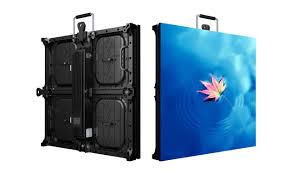
- Brightness is usually measured in nits (cd/m²). Indoor LED displays generally require peaks of 600–1000 nits, while outdoor displays must reach 5000–7000 nits to combat sunlight glare, conforming to IEC 62717 standards for luminance consistency.
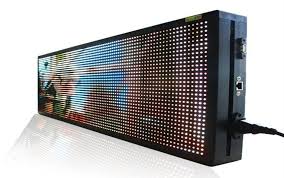
- Contrast Ratio refers to the luminance difference between the brightest white and darkest black the screen can render. High dynamic contrast (over 10,000:1) enhances image depth and sharpness, critical for digital signage and broadcasting applications.
- Color Gamut and Color Accuracy follow industry standards like Rec. 709 and DCI-P3. Achieving over 90% coverage of DCI-P3 ensures vivid color reproduction essential in advertising and control room displays.
- Refresh Rate and Flicker Mitigation impact visual fluidity and eye comfort. IEEE 1789 guidelines underscore the importance of minimizing flicker through optimized drive currents and modulation techniques, especially in high-refresh-rate displays (60Hz to 240Hz).
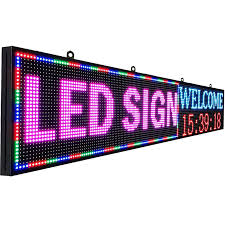
Innovative Manufacturing Techniques for Enhanced LED Displays
Manufacturing high-quality LED displays requires precision engineering along with innovative techniques to assure quality and durability:
1. Surface Mount Technology (SMT) with High-Density PCB Design
Utilizing advanced SMT processes combined with multi-layer, high-frequency printed circuit boards supports dense pixel arrangements, improved thermal dissipation, and signal integrity. Controlled impedance PCB design reduces electromagnetic interference (EMI), a frequent cause of image artifacts.
2. Mini-LED and Micro-LED Integration
Mini-LED backlighting enhances edge-lit LCD displays’ contrast ratios by increasing local dimming zones from 32 to over 1000 zones, as evidenced by case studies from Sharp and Samsung. Micro-LED technology scales this further by replacing traditional pixels with microscopic LEDs, delivering superior brightness (>10,000 nits), ultra-wide color gamut, and extended lifespan exceeding 100,000 hours.
3. Advanced Encapsulation and Phosphor Coating
The longevity of LED modules is heavily influenced by encapsulation materials and phosphor coatings. Using UV-curable silicone encapsulants with optimized refractive indices improves light extraction efficiency by up to 15%. Additionally, conformal coatings protect against moisture, dust, and mechanical stresses following IEC 60529 IP65/67 ratings for outdoor robustness.
4. Thermal Management Solutions
Integrated heat sinks made from aluminum alloys and passive cooling fins are standard; however, novel phase change materials (PCMs) and graphene-enhanced substrates are being deployed to maintain junction temperatures below 85°C. Lower junction temperatures reduce color shift and extend operational lifetime, as supported by extensive lifecycle testing data.
Quality Control and Reliability Testing
Robust quality control protocols are essential to uphold standards and warranty commitments. Key tests include:
- Color Calibration and Uniformity Testing: Employing spectroradiometers to ensure ΔE values less than 2 across the display surface guarantees consistent color perception.
- Environmental Stress Testing: Accelerated aging in high-humidity (+85% RH), elevated temperature (85°C), and salt spray chambers validates corrosion resistance for outdoor modules.
- Vibration and Shock Tests: Compliance with MIL-STD-810G ensures mechanical robustness during transportation and installation.
Real-World Applications and Case Studies
A prime example of applying these manufacturing principles is the deployment of an indoor stadium LED display by a global manufacturer. Utilizing a 1.2mm pixel pitch module with advanced cooling and flicker-free technology improved spectator viewing experience and reduced maintenance by 30%. Similarly, outdoor digital billboards incorporating micro-LED arrays demonstrate superior performance in high ambient brightness without significant power consumption increases.
Conclusion
The evolution of LED display manufacturing is a complex synergy of cutting-edge materials, precision engineering, and rigorous quality assurance. By adhering to established international standards and continuously integrating innovative technologies—such as mini and micro-LEDs, advanced encapsulation, and superior thermal management—manufacturers can deliver displays that excel in clarity, durability, and efficiency. These comprehensive approaches ensure LED displays not only meet current market expectations but remain adaptable for future demands.
For engineers, manufacturers, and end-users alike, understanding these technical and practical factors is essential to harness the full potential of LED display technologies in diverse applications ranging from advertising and broadcasting to control rooms and immersive entertainment.













