

Advances and Best Practices in LED Display Manufacturing: A Comprehensive Technical Guide
The LED display industry has witnessed remarkable technological advancements over the past decade, driven by increasing demand for high-resolution, energy-efficient, and durable display solutions. As a professional LED display engineer with extensive experience in design, manufacturing, and quality assurance, this article synthesizes key technical parameters, manufacturing processes, and industry standards that define the state-of-the-art in LED display production.
Fundamentals of LED Display Technology
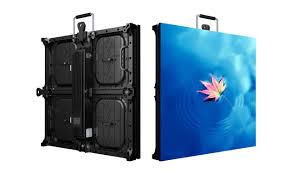
LED displays consist of arrays of Light Emitting Diodes arranged to emit light in controlled patterns to display images or videos. The core technical parameters influencing performance include pixel pitch, brightness, color accuracy, refresh rate, viewing angle, and power consumption.
- Pixel Pitch: Defines the distance between the centers of two adjacent pixels, typically measured in millimeters. A smaller pixel pitch (e.g., 1.2mm to 2.5mm) enables higher resolution and clarity, especially for indoor displays viewed at close range. In contrast, outdoor displays typically use larger pixel pitches (e.g., 4mm to 10mm) to optimize visibility over greater distances.
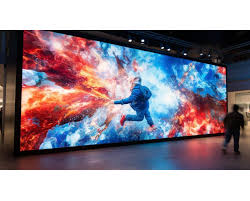
- Brightness: Measured in nits (cd/m²), brightness levels range from 600 nits for indoor applications to over 5,000 nits for outdoor displays to ensure visibility under direct sunlight. LEDs with high luminance capability reduce eye strain and improve content readability.
- Color Accuracy and Calibration: High-quality LED displays employ advanced calibration techniques using spectroradiometers and colorimeters to maintain consistent color temperature (typically 6,500 K) and accurate color reproduction across all modules. Standards such as Rec. 709 and DCI-P3 are often referenced for color gamut requirements.
- Refresh Rate: Refresh rates of 3,840 Hz or higher are essential for flicker-free viewing and optimal performance in video applications, especially in broadcast environments. Higher refresh rates also reduce motion blur.
- Viewing Angle: A wide viewing angle (commonly 140° horizontally and vertically) ensures uniform image quality from multiple perspectives, crucial for public signage and large venues.
Manufacturing Processes and Quality Control
Manufacturing LED displays involves several critical stages from LED chip selection to module assembly and final testing.
- LED Chip Selection: Using chips from reputable suppliers (e.g., Nichia, Osram, Cree) ensures long lifespan (typically >100,000 hours) and color consistency. Selecting LEDs with consistent chromaticity coordinates per industry standards (ANSI C78.377 for color standards) improves product uniformity.
- PCB Design and Assembly: Printed circuit boards must facilitate efficient heat dissipation and electrical connectivity. Techniques such as SMT (Surface Mount Technology) are applied for precise placement and soldering of LEDs onto PCBs. Thermal management components, including aluminum back plates and heat sinks, are integral to maintain optimal operating temperatures (typically 25°C to 85°C).
- Module Assembly and Calibration: LED modules are assembled into cabinets, with each cabinet undergoing calibration to balance brightness and color uniformity. Online adjustment and grayscale calibration systems ensure seamless tiling with minimal seam visibility.
- Environmental and Mechanical Testing: Compliance with standards such as IEC 60529 for IP ratings (ingress protection) guarantees resistance to dust and water, critical for outdoor applications. Mechanical stress tests, vibration endurance, and thermal cycling are employed to validate durability.
Industry Standards and Certifications
Adhering to internationally recognized standards enhances credibility and market acceptance. Key standards include:
- IEC 62471: Photobiological safety of lamps and lamp systems, ensuring the display’s LED light is safe for human exposure.
- RoHS and REACH Compliance: Restrict hazardous substances and promote environmentally friendly manufacturing.
- UL and CE Certifications: Safety compliance for products sold globally, indicating conformity to electrical and electronic safety requirements.
- ISO 9001 Quality Management: Demonstrates rigorous process quality control during manufacturing.
Technological Trends and Innovations
Recent innovations transforming LED display manufacturing include:
- MicroLED and MiniLED Technologies: MicroLEDs deliver higher pixel density, improved brightness, and lower power consumption. However, challenges such as mass transfer and yield management remain significant. Industry leaders like Samsung and Sony are pioneering microLED deployments for both indoor high-end applications and outdoor large-scale displays.
- Smart Calibration Systems: Integrated sensors and AI-driven calibration dynamically optimize display parameters in real-time based on ambient light and content type, enhancing both energy efficiency and visual performance.
- Flexible and Transparent LED Panels: Emerging form factors expand design possibilities for architectural installations and automotive displays, requiring novel materials and manufacturing techniques.
Case Study: Successful Deployment of a 10,000-nit Outdoor LED Display
A recent project for a sports stadium involved deploying an outdoor LED display with a 4mm pixel pitch and 10,000 nits brightness level. Key challenges addressed included heat dissipation under strong sunlight and maintaining color uniformity under fluctuating ambient conditions. Using high-quality bin-sorted LEDs combined with sophisticated thermal management solutions resulted in a robust system exhibiting excellent visual performance and longevity verified through accelerated aging tests meeting IEC 60068 standards.
Conclusion
Mastering LED display manufacturing demands an interdisciplinary approach encompassing LED physics, electronic design, thermal engineering, and quality management, integrated within a framework compliant with international standards. By leveraging the latest advancements in LED chip technology, calibration techniques, and smart manufacturing processes, manufacturers can deliver high-performance LED display solutions tailored for diverse applications — from indoor retail signage to demanding outdoor environments.
For professionals and manufacturers, staying current with advancements and standards such as IEC, ANSI, and ISO ensures the production of reliable, visually compelling, and market-competitive LED displays.













