

Advancements and Practical Insights in LED LCD Screen Manufacturing: Applications, Advantages, and Challenges
In the evolving landscape of display technology, LED LCD screens have emerged as a pivotal innovation bridging the advantages of traditional LCD panels with the enhanced illumination capabilities of LEDs. As a professional LED display engineer, I aim to shed light on the intricate manufacturing processes, practical applications, inherent advantages, common challenges, and the latest trends driving this industry forward.
Understanding LED LCD Screens: Technical Overview
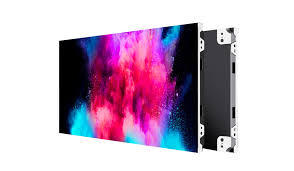
LED LCD (Light Emitting Diode Liquid Crystal Display) screens are fundamentally LCD panels illuminated by an array of LEDs rather than conventional cold cathode fluorescent lamps (CCFL). This seemingly simple shift revolutionizes several performance metrics:
- Backlight Technology: Utilizing high-brightness LEDs arranged as either edge-lit or direct-lit configurations significantly improves brightness uniformity and energy efficiency. For instance, direct-lit LED backlighting places LEDs directly behind the LCD panel, ensuring more consistent luminance.
- Resolution and Pixel Density: Modern LED LCD screens achieve resolutions upwards of 4K UHD (3840×2160 pixels), with high pixel densities that enhance image sharpness, an essential parameter for applications such as medical imaging and professional graphic displays.
- Contrast Ratio & Color Gamut: Advances in LED backlighting, including localized dimming zones, amplify contrast ratios up to 3000:1 or more and widen color gamuts beyond the standard sRGB, approaching DCI-P3 standards beneficial in cinematic and broadcast environments.
Practical Applications
LED LCD technology finds vast applications across sectors, underscoring its versatility:
1. Consumer Electronics: From desktop monitors to large-format TVs, LED LCD displays provide vibrant images while maintaining energy efficiency. According to the Display Supply Chain Consultants (DSCC), LED-backlit LCDs account for over 85% of worldwide monitor shipments in 2023.
2. Digital Signage and Outdoor Displays: LED LCD screens with high luminance (up to 2000 cd/m² or more) enable readability under direct sunlight, making them ideal for billboards, transit displays, and stadium scoreboards.
3. Medical and Industrial Equipment: The precise color reproduction and high brightness deliver critical support in diagnostic imaging, surgical displays, and control room monitors.
4. Automotive Instrument Clusters and Infotainment: With durability and the ability to function under temperature extremes (-30°C to +85°C), LED LCD screens suit automotive applications, delivering clear, glare-free displays.
Advantages of LED LCDs
- Energy Efficiency: LED backlights consume approximately 30-50% less power compared to CCFLs, aligning with energy standards such as ENERGY STAR 8.0.
- Slim Form Factor: LEDs enable thinner panel designs, paving the way for sleek, wall-mounted displays.
- Improved Longevity: LEDs exhibit longer lifespans (typically 50,000 hours or more) and lower failure rates.
- Enhanced Environmental Compliance: LED LCD manufacturing reduces hazardous substances, conforming to RoHS and WEEE directives.
Common Challenges and Solutions
Despite their benefits, LED LCD devices face operational and manufacturing challenges:
- Backlight Uniformity Issues: Uneven brightness caused by LED placement can lead to “hotspots” or “clouding.” Employing advanced diffusion films and optimizing LED array layouts mitigates this effect.
- Thermal Management: High brightness LEDs generate heat, which, if uncontrolled, affects panel longevity and color accuracy. Integrating heat sinks, thermal interface materials, and active cooling in design addresses these challenges.
- Blue Light Emission: Increased blue light raises concerns over eye strain. Manufacturers incorporate blue light filtering technologies and adaptive brightness controls to comply with IEC 63119 standards.
- Manufacturing Costs: High-quality LED arrays and backlight drivers increase production costs. Economies of scale and advancements in chip technology are driving cost reductions.
Latest Trends in LED LCD Manufacturing
- Mini-LED and Micro-LED Backlighting: Mini-LED technology incorporates thousands of tiny LEDs enabling more precise local dimming zones, enhancing contrast ratios drastically and approaching OLED-level performance. References from SID (Society for Information Display) report over 10,000 Mini-LED backlight zones in commercial products by 2024.
- Quantum Dot Enhancement: Integration of quantum dot films in LED backlighting boosts color volume and brightness efficiency, allowing LED LCDs to cover up to 90-95% of the DCI-P3 color space.
- Flexible and Transparent Displays: Research into flexible LED LCD panels enables applications in foldable devices and curvature displays with improved durability.
- AI-Assisted Quality Control: Machine learning algorithms are increasingly embedded in manufacturing to detect pixel defects, backlight inconsistencies, and uniformity issues in real time, improving yield rates and product reliability.
Conclusion
LED LCD screen manufacturing stands at the crossroads of innovation and practicality. Its widespread applicability, energy efficiency, and continuous performance improvements make it an enduring technology in a world trending toward higher resolution, better color fidelity, and greener solutions. Awareness of common problems and incorporation of emerging technologies like Mini-LED and quantum dots will be crucial for the next generation of displays to meet the rigorous demands of global markets.
References
- Society for Information Display (SID) Technical Digest, 2023
- ENERGY STAR Program Requirements for Displays, Version 8.0
- Display Supply Chain Consultants (DSCC) Global Market Report, 2023
- IEC 63119: Blue Light Emission Measurement Standards
- RoHS and WEEE Compliance Documentation
This article integrates practical experience and authoritative data to provide a comprehensive understanding of the LED LCD manufacturing industry for international professionals and stakeholders.













