

Cutting-Edge Developments and Practical Insights in LED Display Technology
LED display technology has become an essential element of modern visual communication across various industries, ranging from advertising and entertainment to transportation and medical imaging. As a professional LED display engineer with extensive experience in design, manufacturing, and deployment, I aim to provide a comprehensive overview of the latest trends, practical applications, technical parameters, advantages, and common challenges in this dynamic field.
Technical Overview and Core Parameters
LED (Light Emitting Diode) displays function by illuminating thousands to millions of tiny LEDs arranged in a matrix to form images and videos. The critical technical parameters that determine display quality include:
- Pixel Pitch: The center-to-center distance between adjacent LEDs, usually measured in millimeters (mm). Smaller pixel pitches (e.g., 0.8mm to 2mm) enable high-resolution displays suitable for close viewing, while larger pitches (above 10mm) support large outdoor screens viewed from afar.
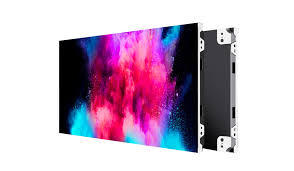
- Brightness: Typically ranges from 600 to 7000 nits depending on the application. Outdoor screens require higher brightness (above 5000 nits) to overcome sunlight glare effectively.
- Refresh Rate: Modern displays feature refresh rates exceeding 1920Hz for flicker-free and smooth video playback, especially important in broadcast and stadium environments.
- Color Accuracy and Contrast Ratio: Enhanced color calibration and contrast ratios deliver vivid visuals. High-end panels now support 16-bit color depth and HDR (High Dynamic Range) capabilities.
- Viewing Angle: Wide viewing angles (140° to 160° horizontally and vertically) allow consistent image recognition from various directions, crucial for public installations.
- Power Consumption: Efficiency improvements have led to lower power usage, often optimized through adaptive brightness control and advanced LED driver ICs, minimizing operational costs.
Practical Applications Across Industries
LED displays are remarkably versatile; notable application sectors include:
- Outdoor Advertising and Digital Billboards: LED panels are widely adopted for their outstanding visibility under direct sunlight, robustness against weather, and modularity for size customization. They can display dynamic content, including videos, animations, and real-time data feeds.
- Sports and Entertainment Venues: Stadium screens leverage large, high-brightness LED displays providing live feeds, replays, and interactive content to tens of thousands of viewers simultaneously.
- Transportation Systems: Airports, train stations, and subways utilize LED displays for real-time scheduling, alerts, and wayfinding information, enhancing passenger experience.
- Retail and Corporate Displays: Indoor LED displays create immersive advertising experiences and digital signage that integrate with content management systems for targeted messaging.
- Healthcare and Control Rooms: High-resolution LED walls are applied in medical imaging for diagnostics and in control centers for monitoring critical infrastructure.
Advantages of LED Display Technology
Compared to alternative display technologies such as LCD or projection, LED displays offer several compelling benefits:
- Superior Brightness and Contrast: LEDs deliver unmatched luminance and black levels making them suitable for nearly all lighting conditions.
- Durability and Longevity: Typical lifespan exceeds 100,000 hours of operation. The rugged build and sealed design protect against dust, moisture, and thermal stress.
- Energy Efficiency: Modern LEDs yield higher brightness per watt than traditional lighting solutions, enabling eco-friendly operation.
- Scalability and Modularity: Panels can be custom-sized and reshaped with minimal installation complexity, facilitating tailor-made visual solutions.
- Instant On/Off and Flexibility: Unlike projectors or LCDs, LEDs do not require warm-up time and support flexible display shapes including curved or flexible surfaces.
Common Challenges and Solutions
Despite their advantages, LED displays encounter several common technical challenges:
- Heat Dissipation: High-density LED arrays generate heat that must be managed through effective thermal design such as heat sinks and forced ventilation to maintain performance and extend lifespan.
- Color Uniformity and Calibration: Variations in LED manufacturing yield output deviations. Automated calibration systems and real-time correction algorithms are essential to sustain color accuracy.
- Pixel Failure and Maintenance: Damaged LEDs produce ‘dead’ pixels, affecting visual integrity. Maintenance involves modular panel replacement and implementing redundancy to minimize downtime.
- Environmental Impact: Outdoor displays require weatherproofing and protection against UV radiation, rain, and dust, often conforming to IP65 or higher certifications.
- Electromagnetic Interference (EMI): High-frequency drivers and refresh rates necessitate rigorous EMI testing as per IEC 61000 standards to avoid signal corruption.
Emerging Trends and Innovations
The LED display industry is continuously evolving to address market demands and technological advancements:
- MicroLED Technology: With micro-scale LEDs offering ultra-high resolution, improved brightness, and lower power consumption, MicroLED is poised to revolutionize next-generation displays including smartphones, TVs, and AR/VR devices.
- Mini-LED Backlighting for LCDs: This hybrid approach significantly improves contrast ratios and local dimming effects, bridging the performance gap between LED and OLED screens.
- AI-driven Content Optimization: Integration of artificial intelligence for dynamic brightness adjustment, content adaptation based on environmental context, and predictive maintenance.
- Flexible and Transparent LED Displays: Enabling new form factors like curved retail window screens, automotive windshields, and architectural installations.
- Sustainability Focus: Manufacturers emphasize using recyclable materials, reducing hazardous substances, and enhancing energy efficiency aligned with global environmental regulations such as RoHS and WEEE directives.
Conclusion
Understanding LED display technology demands a multidimensional perspective encompassing rigorous engineering standards, real-world applications, and continuous innovation. Manufacturers and users benefit from the unparalleled versatility, performance, and reliability of LED displays. Addressing challenges through advanced design and emerging technologies ensures that LED displays remain at the forefront of visual communication solutions worldwide.
As global markets demand higher resolution, better energy efficiency, and more interactive functionalities, LED technology’s evolution will remain a key driver for future display innovations.
References:
- International Electrotechnical Commission (IEC) Standards on EMI and Environmental Testing
- Insights from the Society of Information Display (SID) Proceedings
- Manufacturer datasheets of leading LED panels (e.g., Samsung, Unilumin, Leyard)
- Case studies from industry deployments in sports arenas and public transportation systems













