

Comprehensive Insights into LED LCD Screen Manufacturing: Practical Applications, Advantages, Challenges, and Emerging Trends
In the rapidly evolving display technology landscape, LED LCD screens maintain a pivotal role across various industries due to their superior brightness, energy efficiency, and versatile form factors. As a seasoned LED display engineer with over a decade of experience, this article expounds on the manufacturing processes, practical applications, inherent advantages, common challenges, and advanced trends shaping the LED LCD screen market today.
LED LCD technology combines Light Emitting Diode (LED) backlighting with Liquid Crystal Display (LCD) panels, enhancing overall display quality. The manufacturing intricacies involve precise integration of thin-film transistors (TFT), polarizers, color filters, and LED backlight modules. According to the International Electrotechnical Commission standard IEC 62679-1, rigorous criteria must be met for uniform brightness, color accuracy, and power consumption to ensure commercial viability.
Practical Applications:
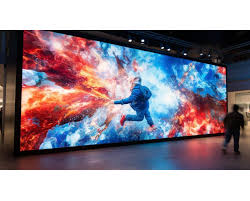
LED LCD displays dominate sectors such as consumer electronics (smartphones, televisions, tablets), automotive dashboards, medical imaging devices, outdoor digital signage, and industrial control panels. For example, in medical contexts, ultra-high-definition LED LCDs with wide color gamuts (NTSC > 85%) and luminance over 1000 cd/m² enable accurate diagnostics. Outdoor signage benefits from high contrast ratios (typically 3000:1 or higher) and robust waterproof LED modules (IP65 or better) facilitating operation under harsh conditions.
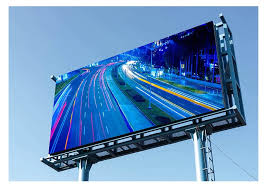
Advantages:
LED LCDs offer several technical and economic benefits. The LED backlight system consumes roughly 30-50% less power than traditional CCFL (Cold Cathode Fluorescent Lamp) backlights, aligning with global energy-saving regulations such as Energy Star 8.0. High luminosity (up to 1500 cd/m² for commercial displays) supports readability in bright environments. Additionally, improved color uniformity and longer service life (50,000+ hours) reduce maintenance overhead and enhance user experience. Thin-profile designs enabled by LED backlighting have catalyzed the growth of slim and bezel-less displays, favored in mobile and large-screen formats alike.
Common Challenges:
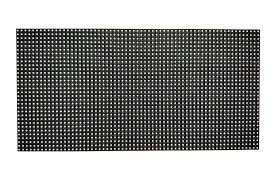
Despite progress, several manufacturing and operational hurdles persist. Uniform backlight diffusion remains critical; hotspots and luminance gradients can degrade visual quality. Thermal management is paramount: LED arrays generate heat influencing color longevity and display stability. Advances like graphene-based heat sinks and active cooling solutions are employed but add cost and complexity. Moreover, the blue light emission spectrum from LEDs raises concerns regarding eye strain and circadian rhythm disruption, driving research into “low blue light” LEDs and screen coatings compliant with IEC TR 62778.
Latest Trends and Innovations:
The LED LCD industry is witnessing transformative trends. Mini-LED and Micro-LED backlighting offer enhanced local dimming capabilities, enabling dynamic contrast ratios exceeding 1,000,000:1, virtually rivaling OLED alternatives with improved lifespan and no burn-in issues. Moreover, integration with AI-driven calibration ensures real-time color and brightness adjustment, optimizing content-specific display performance. Flexible and transparent LED LCD screens are emerging, expanding applications into wearable electronics and augmented reality displays. Sustainability efforts focus on eco-friendly materials and improved recyclability per guidelines from organizations such as the Responsible Business Alliance (RBA).
In conclusion, LED LCD screen manufacturing encompasses a complex synergy of materials science, optical engineering, and electronics design. With applications spanning medical, consumer, automotive, and industrial domains, the technology’s advantages in efficiency, brightness, and durability establish it as a cornerstone of modern display solutions. Addressing challenges in heat dissipation, color fidelity, and blue light mitigation, coupled with innovations like Mini-LED backlighting and AI calibration, positions LED LCD technology for sustained relevance and growth in the years ahead.
References:
- IEC 62679-1: Electronic Displays — Characteristics and Test Methods
- Energy Star Program Requirements for Displays v8.0
- IEC TR 62778: Assessment of blue light hazard from LED lighting
- Responsible Business Alliance (RBA) Environmental Guidelines
- X. Wang et al., "Mini-LED Backlight Technologies for Ultra-High Contrast LCDs," Journal of Display Technology, 2023.













